Last updated November 23, 2026
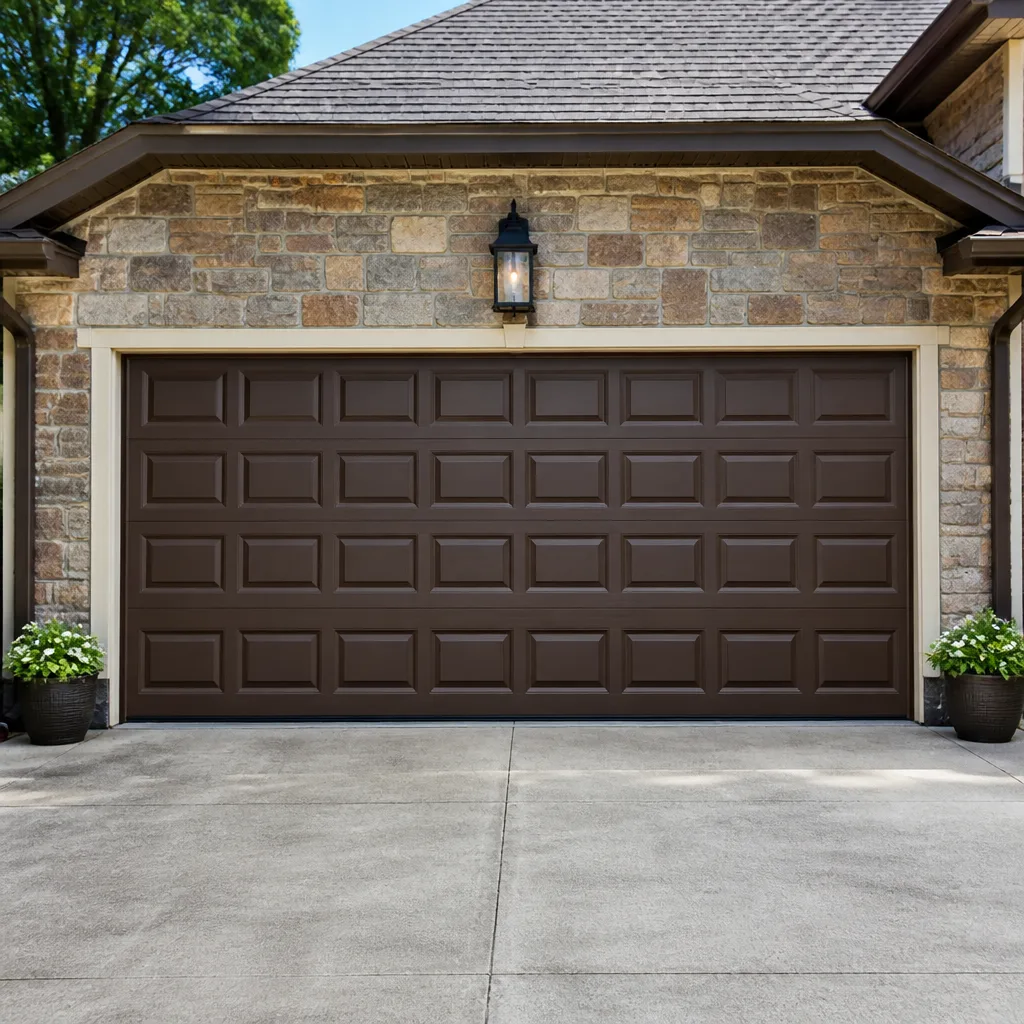 Raised-panel steel
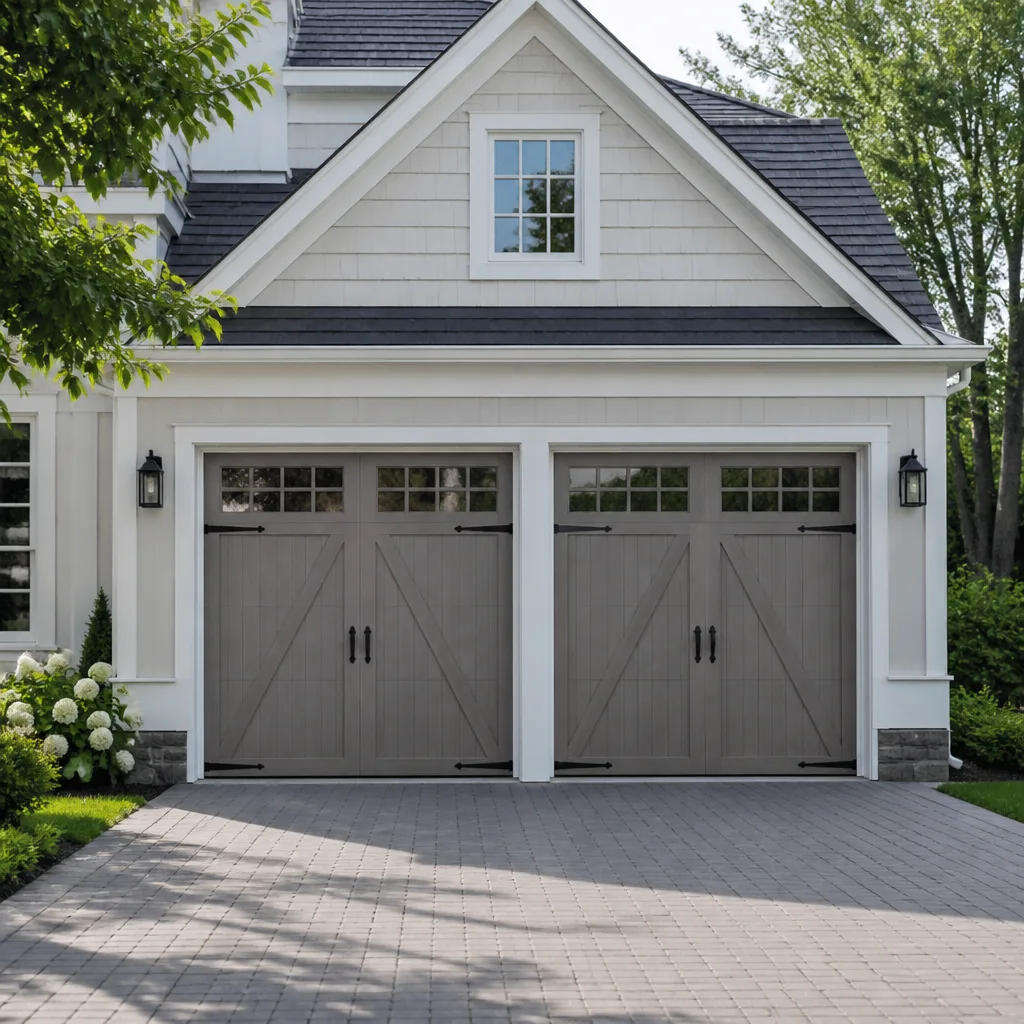 Carriage house
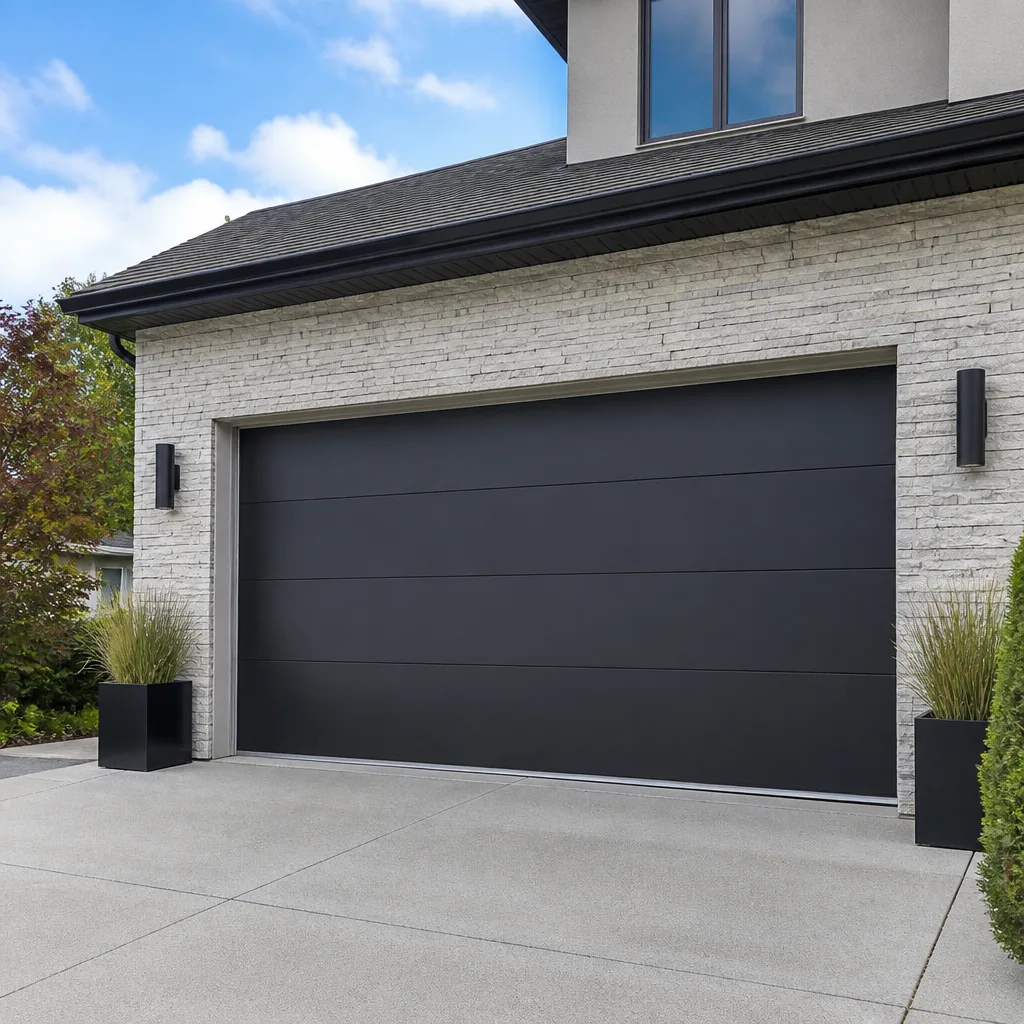 Modern flush
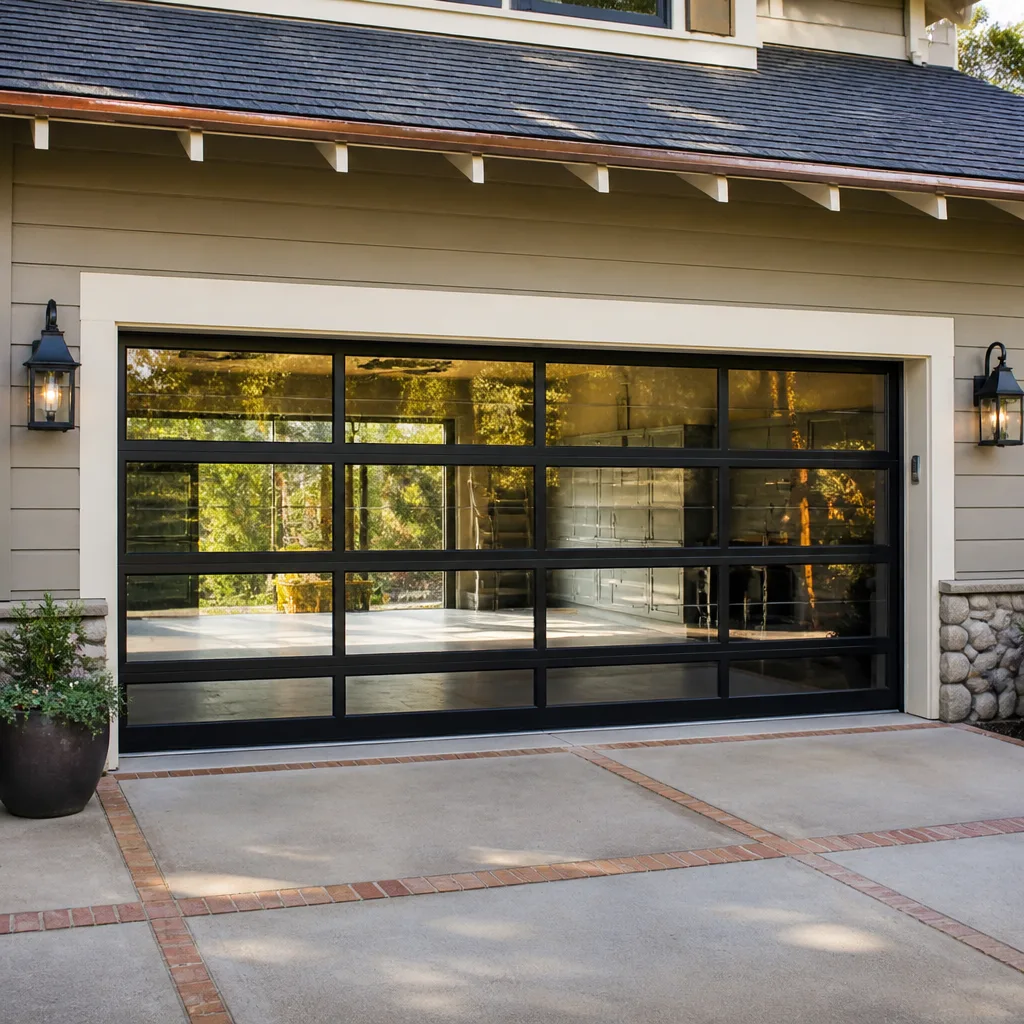 Full-view glass
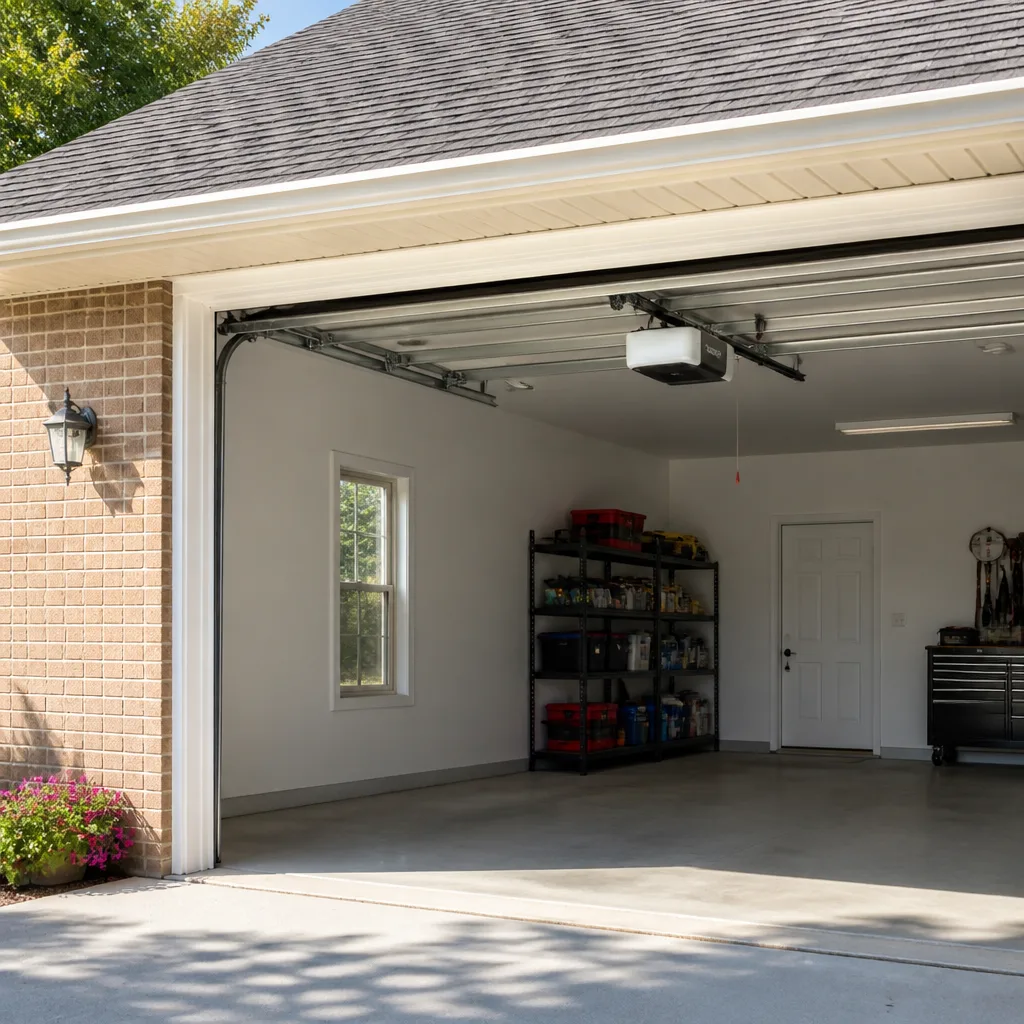 LiftMaster openers
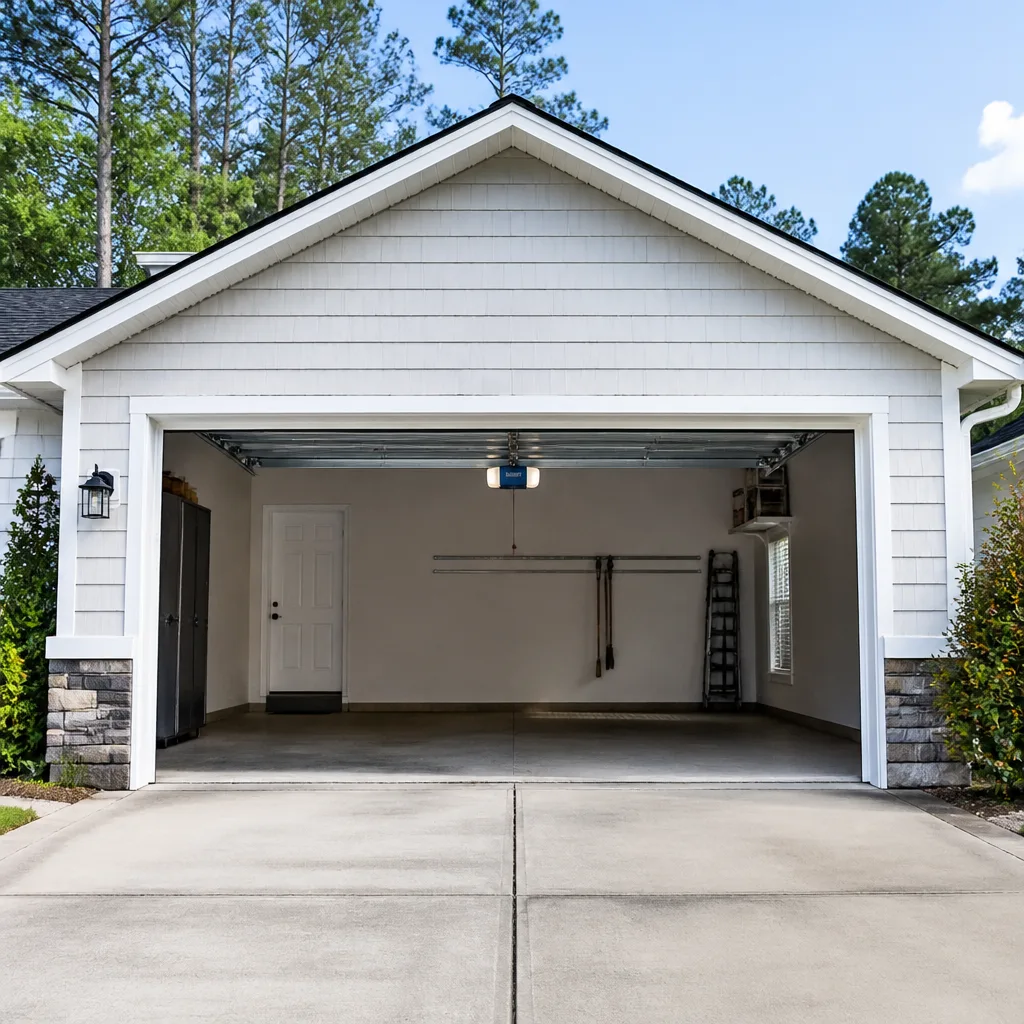 Chamberlain openers
Full 25-point door and opener safety check with every visit - springs, cables, rollers, tracks, and your LiftMaster or Chamberlain opener included
You get a price before we start. It does not change when the pro arrives.
Get your free estimateGarage Door Permits, Codes & Inspections in Levittown, NY: What You Need to Know
Most homeowners in Levittown assume any garage door work needs a permit. The opposite is closer to the truth: a straight door-for-door swap usually doesn’t. But the moment you change the opening size, add a circuit for a new opener, or touch the structural header above the door, you’re in permit territory. Many Levittown homeowners find this out at the worst possible time, during a buyer’s inspection or a title review at closing. This guide walks through the Nassau County threshold in plain language, what an inspector actually checks, how UL 325 opener safety standards overlap with New York State code, and how to verify your contractor pulled the right permits before work starts. You’ll also see where fire-rated separation between an attached garage and living space comes into play, which matters in Levittown homes with converted or expanded garages.
Quick Answer
In Levittown and the rest of Nassau County, a like-for-like garage door replacement (same size, same opening, no structural change) typically doesn’t require a building permit. You cross into permit territory when you enlarge or reshape the opening, modify the structural header, add new electrical work for an opener, or convert the garage into living space. Opener installations must meet UL 325 safety requirements, and the fire separation between an attached garage and the house has to stay intact. When in doubt, call the Town of Hempstead Building Department directly and describe the job; a two-minute phone call settles it.
Styles & brands we work with
- Raised-panel steel
- Carriage house
- Modern flush
- Full-view glass
- LiftMaster openers
- Chamberlain openers
Table of Contents
- When Does a Garage Door Job Need a Permit in Nassau County?
- What Counts as Like-for-Like Replacement?
- How UL 325 Opener Safety Standards Meet New York State Code
- Fire-Rated Doors Between an Attached Garage and Living Space
- What Happens at a Home Sale When a Modification Was Unpermitted
- How to Verify Your Contractor Pulled the Right Permits
- What Actually Happens on Inspection Day
- Common Mistakes to Avoid
When Does a Garage Door Job Need a Permit in Nassau County?
The short rule: cosmetic and mechanical replacement usually doesn’t need a permit; structural, electrical, or footprint changes usually do. Nassau County is a patchwork of incorporated villages and unincorporated areas, and Levittown falls under the Town of Hempstead, so your permit authority is the town, not the county itself. That distinction trips people up. If you call “Nassau County” expecting a single answer, you’ll get bounced to Hempstead. Knowing which office handles your address saves a week of confusion.
Here’s how we break down the threshold in practice:
- Usually no permit: Replacing a door with the same size, style, and opening dimensions. Replacing a torsion or extension spring. Swapping an opener on existing wiring.
- Usually needs a permit: Enlarging the opening (say, going from a single to a double door). Moving the header. Adding a new dedicated electrical circuit for an opener. Converting the garage to heated living space. Any change that alters the structural load path above the door.
- Grey zone, worth a call: Changing door type when the weight and track system change (steel to wood, for example). Adding a side-entry door where there wasn’t one. Replacing the entire track and header brackets on an older install.
The reason this matters is that “we’ve always done it this way” doesn’t hold up at a home sale. If a buyer’s inspector flags an enlarged opening that has no permit on record, you’re the one answering questions at attorney review, not the contractor who did the work. We see this most often in Levittown homes from the original postwar build era that have been expanded, re-sided, or had their garages opened up over the decades. The door looks fine. The paper trail is the problem.
What Counts as Like-for-Like Replacement?
A like-for-like replacement is a door that fits the existing opening without altering the frame, header, tracks, or electrical layout. Same width, same height, same track configuration, same opener wiring. The door itself can be a different finish or even a different brand; what matters is that the opening and structure don’t change. When we swap a worn steel door for a new Raynor or Clopay unit that fits the same opening, that’s like-for-like, and it typically doesn’t require a permit in Levittown.
The line gets fuzzy in three places:
- Track and hardware changes. New track profile can mean new anchor points in the framing. If the anchors move into fresh lumber rather than reusing existing framing, some inspectors treat that as a structural touch. Ask the town if you’re unsure.
- Weight class. A heavier door (insulated steel replacing a hollow door, for example) can require upgraded springs and sometimes a stronger header bracket. The bracket change alone isn’t usually a permit trigger; the framing change might be.
- Opener replacement. Swapping an opener on existing wiring is a repair. Running a new circuit from the panel is electrical work and needs an electrical permit and inspection in most cases. That’s the most common point where a “simple door job” crosses into permit territory.
Our advice is to describe the job to the town in writing and keep the response. A two-line email is enough. If a question ever comes up later, you have documentation that you checked, and that counts for a lot at a home sale in Levittown.
How UL 325 Opener Safety Standards Meet New York State Code
UL 325 is the safety standard for garage door operators, and New York State code requires openers to meet it. In plain language, that means the opener must have entrapment protection: either a functioning photoelectric eye system at the door opening, a sensing edge, or both, depending on the operator type. Since 1993, residential openers have been required to include a non-contact safety reversal system (the photo eyes). An inspector will check these are present, mounted correctly, aligned, and actually reversing the door when blocked.
What an inspector typically looks at on an opener check:
- Photo eyes are mounted low on both sides of the door, aligned, and unobstructed.
- The door reverses when the beam is broken, and reverses again on contact with a test object.
- The manual release (the red pull cord) works and is reachable.
- The wall-mounted control is at least five feet from the floor so a small child can’t reach it.
- Any labels, warnings, and the operator’s own manual are on site.
This is one place where brand knowledge pays off. A LiftMaster, Chamberlain, or Genie unit all have slightly different self-diagnostic patterns when something fails. When our technicians arrive knowing the architecture of your specific opener, the diagnosis goes faster and you’re not paying for someone to read a manual on your driveway. If you’re troubleshooting a door that reverses for no clear reason, our garage door opener repair page covers the common causes and what a proper safety check looks like.
Fire-Rated Separation Between an Attached Garage and Living Space
Attached garages require a fire separation between the garage and the living space, and this applies to many Levittown homes where the garage shares a wall or a ceiling with the house. The requirement isn’t about the garage door itself; it’s about the wall, the ceiling, and the door between the garage and the house. That said, garage door replacements can intrude on the fire separation if the installer cuts into a rated ceiling or wall while running new wiring or reworking the header.
Where this actually matters in Levittown:
- Converted or expanded garages. When a Levittown homeowner finishes a garage to add living space, the fire separation questions get more complicated. If the job wasn’t permitted, a buyer’s inspector may flag the missing documentation and the rating itself.
- Doors between the garage and the house. The interior door is typically required to be a self-closing, fire-rated door. If it’s been replaced with a hollow-core door, that’s a common call-out.
- Any new penetration. A new opener circuit that punches through a rated wall needs to be sealed properly. That’s a small detail, but it shows up on inspection.
None of this is about scaring you out of a door replacement. It’s about knowing what’s behind the drywall before the installer gets there. Ask the question up front and the job goes smoother.
What Happens at a Home Sale When a Modification Was Unpermitted
When a buyer’s inspector finds an unpermitted garage door modification, the seller usually gets one of three outcomes: the deal stalls while permits are retroactively pulled, the buyer asks for a credit, or the sale proceeds with a disclosure and the buyer absorbs the risk. In Levittown resales, this tends to come up in homes that had a garage opened up, a door enlarged, or a finished garage conversion done years ago without paperwork. It’s genuinely common, not a rare horror story.
What typically triggers the question on an inspection report:
- An opening dimension that doesn’t match the tax record or original plans.
- A header or framing member that looks newer than the surrounding structure.
- A door that’s obviously larger than the original single-car opening.
- Electrical work (like a new opener circuit) with no visible permit record at the panel.
- Evidence of a garage conversion that isn’t reflected in the town’s records.
If you’re selling and you’re not sure whether a past owner pulled a permit, you can request records from the Town of Hempstead before you list. Getting ahead of it is far less stressful than discovering it at attorney review. If the paperwork is missing, the town can walk you through the retroactive permit process. In our experience, the jobs that get flagged are almost always the structural or electrical ones, not plain door swaps.
If you’re also planning a new opener as part of a sale-prep refresh, our guide on Garage Door Repair Levittown Pros covers the full range of what we handle. If you’re thinking about a new door entirely, that’s a measure-and-order job, not a same-day one, and we’ll quote it in writing before anything is scheduled.
How to Verify Your Contractor Pulled the Right Permits
This is the single most useful step you can take, and it costs you nothing but a phone call. Verify permits in three stages: before work starts, during the job, and after completion. A reputable contractor won’t be offended by any of it, and if they are, that’s information.
- Before work starts. Ask which permits will be pulled and who is pulling them. Get the permit number in writing when it’s issued. The permit should be in the property owner’s name or the contractor’s name, not a subcontractor’s.
- Confirm with the town. Call the Town of Hempstead Building Department and confirm the permit exists and covers the scope you agreed on. If the contractor says “no permit needed,” ask for that in writing, then confirm with the town yourself.
- During the job. The contractor should have the permit on site. Inspections should be scheduled as required.
- After the job. Get the signed inspection card or certificate of completion. Keep it with your home records. This is the document that closes the loop at a sale.
Why this matters for insurance: if a fire or injury is tied to unpermitted structural or electrical work, a claim can get complicated. We’re not saying every carrier will deny it; we’re saying a clean permit record removes the question entirely. That’s worth a phone call.
Our position is simple: we tell you what we believe applies to your job, in writing, and we recommend you confirm with the town. Diagnosis first, repair second. If you’re not sure whether your job needs a permit, call us at (877) 792-5882 and we’ll help you frame the question for the building department.
What Actually Happens on Inspection Day
If a permit is required, an inspection is the final step. The inspector confirms the work matches the scope of the permit and meets code. Here’s what a typical garage door or opener inspection covers, so you know what to expect. These are the categories an inspector checks; the specific items vary by scope.
- Structural: The header, framing, and anchors match approved plans. Any new lumber is the correct size and properly fastened.
- Electrical (if applicable): The new circuit is properly wired, grounded, and breakered. The opener is on its own dedicated circuit in most residential installs.
- Safety systems: The UL 325 requirements from the previous section, including photo eyes, reversal on contact, and the manual release.
- Fire separation: If the job touched a rated wall or ceiling, the separation is intact and any penetrations are sealed.
- Documentation: The permit, plans, and any product documentation are on site.
Most of what fails at inspection is small: photo eyes out of alignment, a missing label, or a permit scope that doesn’t quite match what was built. Those are all fixable on a re-inspection. The bigger risk is doing the job without a permit when one was needed, and that risk lands on the homeowner at a sale, not on the contractor. That’s the part we want Levittown homeowners to walk away from this guide knowing.
If you’re facing a bigger replacement or a full new door, that’s where our garage door repair and installation work comes in. We measure, quote, and schedule; we don’t promise same-day on a new door because it needs to be ordered. If you’re dealing with a broken spring on an existing door, our garage door spring repair page covers that separately, and we’ll flag any permit question if the spring replacement turns into a bigger structural fix.
Common Mistakes to Avoid
- Assuming a permit is always required. The opposite is closer to the truth for a straight swap, and paying for a permit you didn’t need is wasted money. Call the town and describe the job; they’ll tell you plainly.
- Assuming a permit is never required. The bigger liability. Enlarging an opening or running a new opener circuit without a permit is exactly the kind of thing that shows up on a buyer’s inspection years later.
- Letting the contractor pull the permit in their name only. The permit should be on record with the town and tied to your address. Confirm it exists before the first nail goes in.
- Replacing a garage-to-house door with a non-rated one. A simple weather-strip swap is fine; replacing the whole door with a hollow-core unit breaks the fire separation. Check the door before you replace it.
- Skipping the safety reversal test after an opener swap. The photo eyes have to actually work. A quick floor-block test catches the problem in thirty seconds, and it’s the first thing an inspector checks.
- Trusting a verbal “no permit needed.” Get it in writing, then confirm with the town. This is the cheapest insurance on the whole job.
- Forgetting to keep the inspection card. At a Levittown sale, the signed card is often the difference between a clean closing and a delay. Keep it with your deed.
See the difference
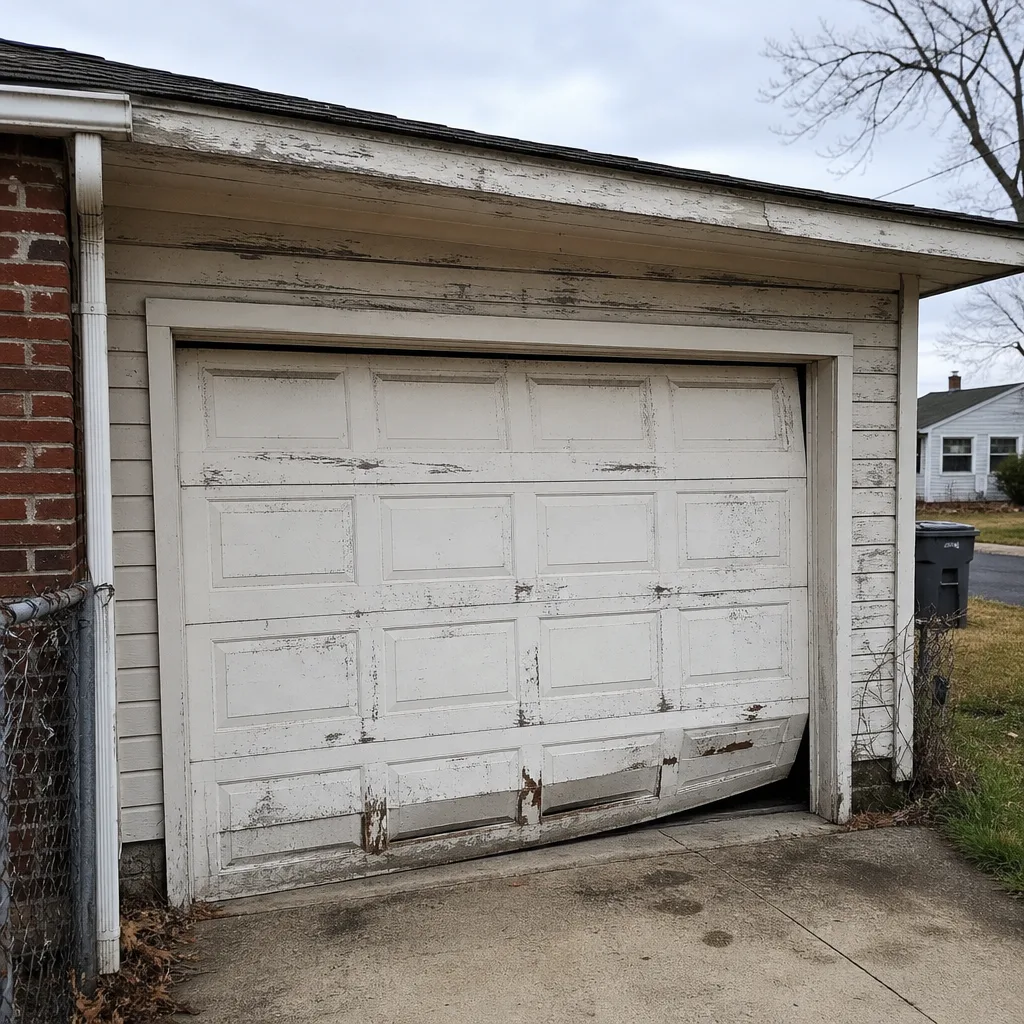 Before
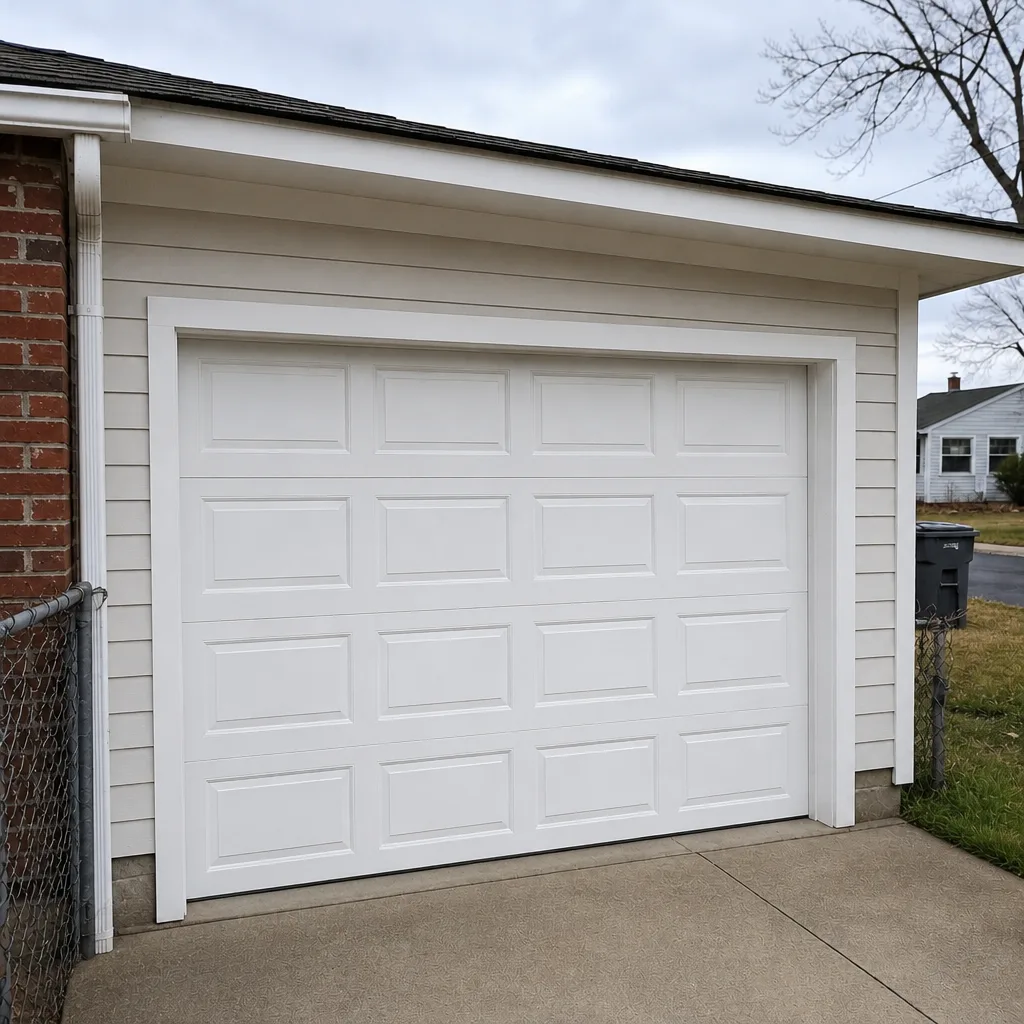 After
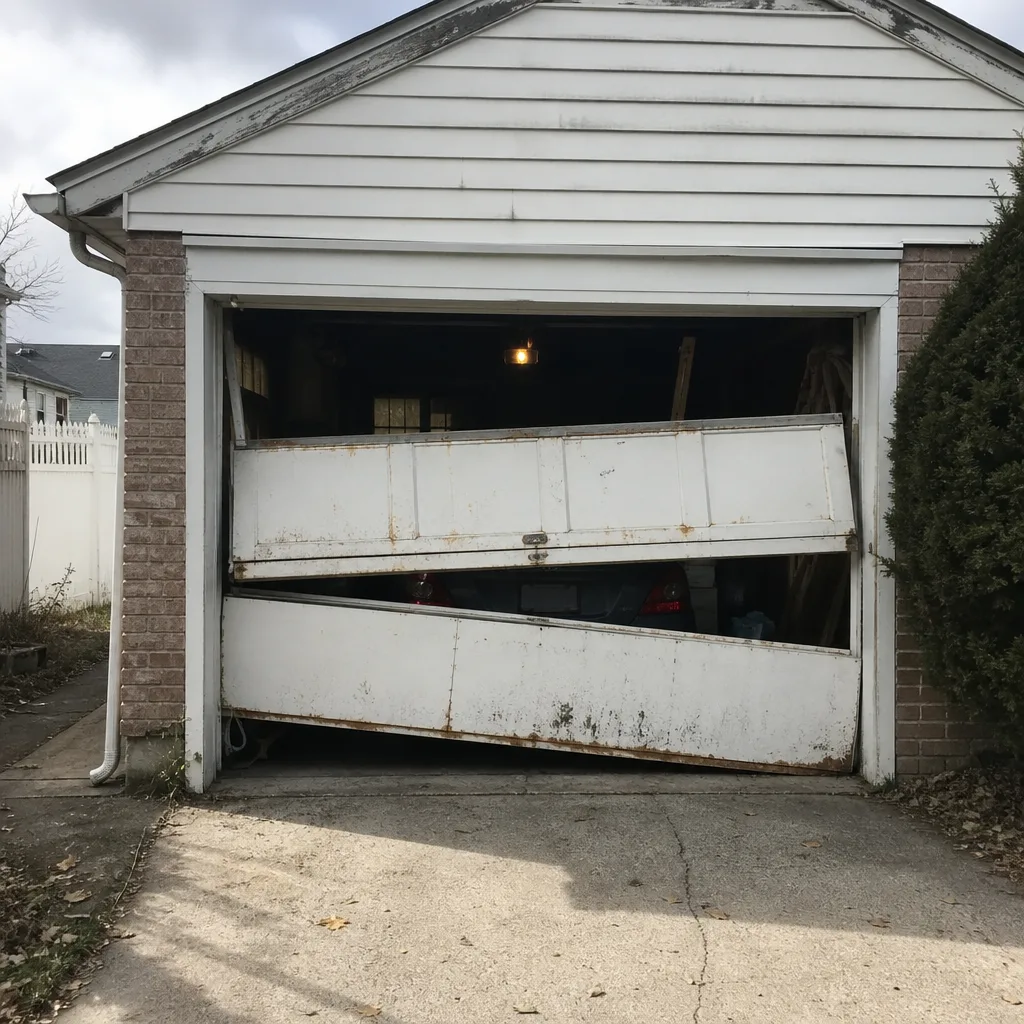 Before
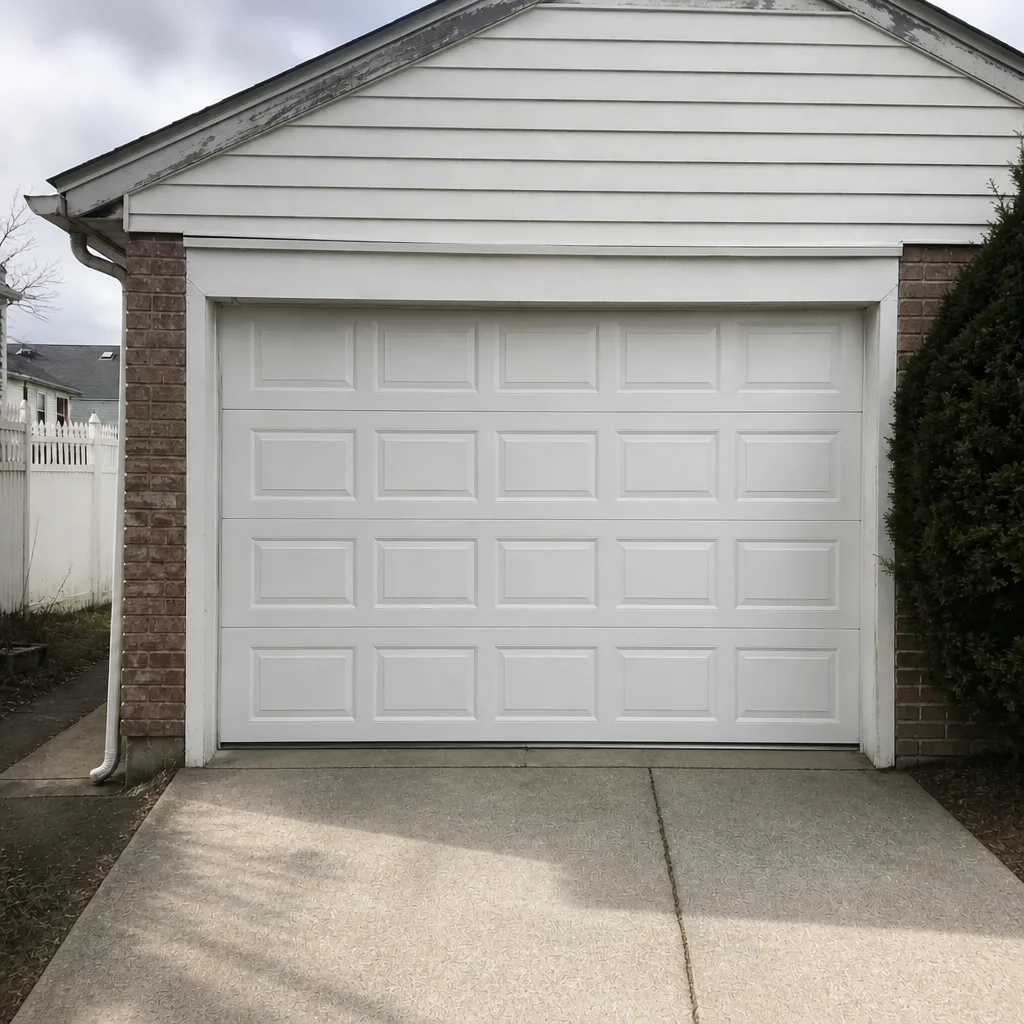 After
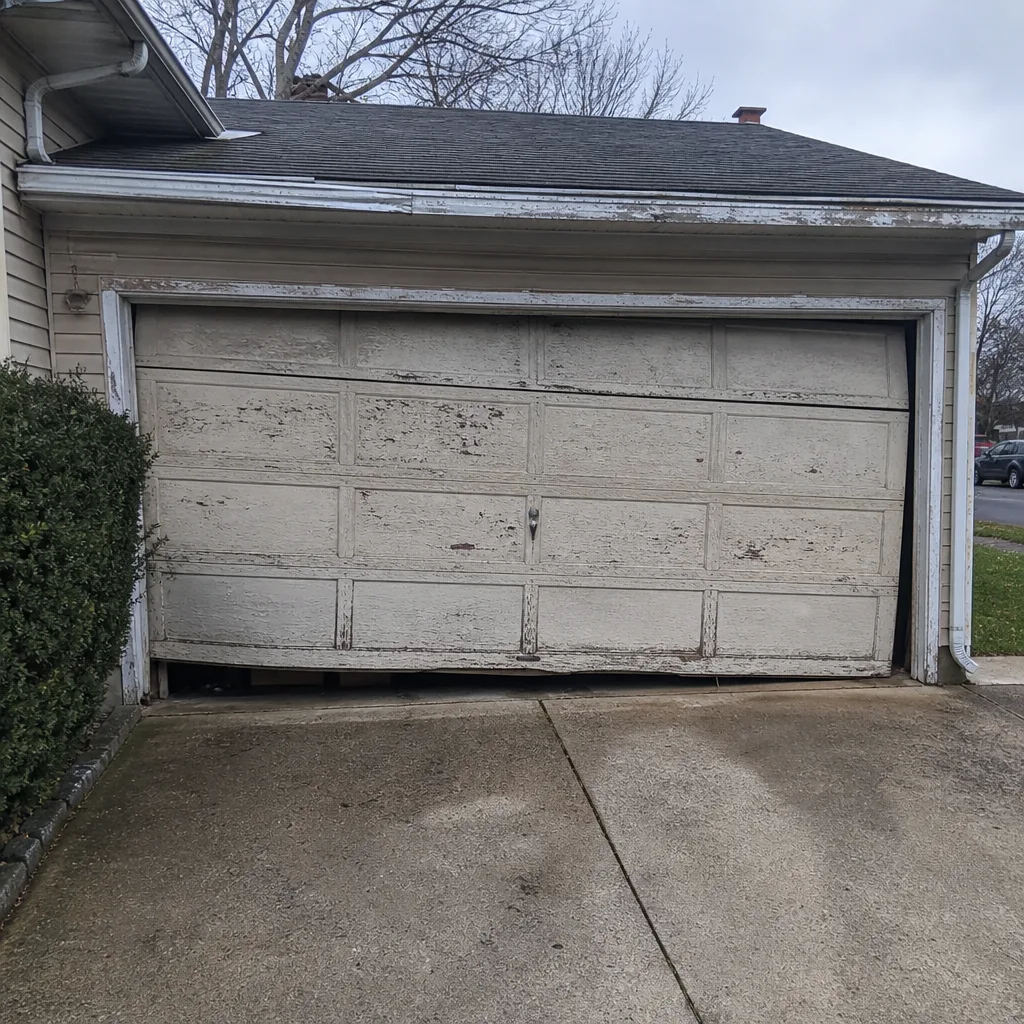 Before
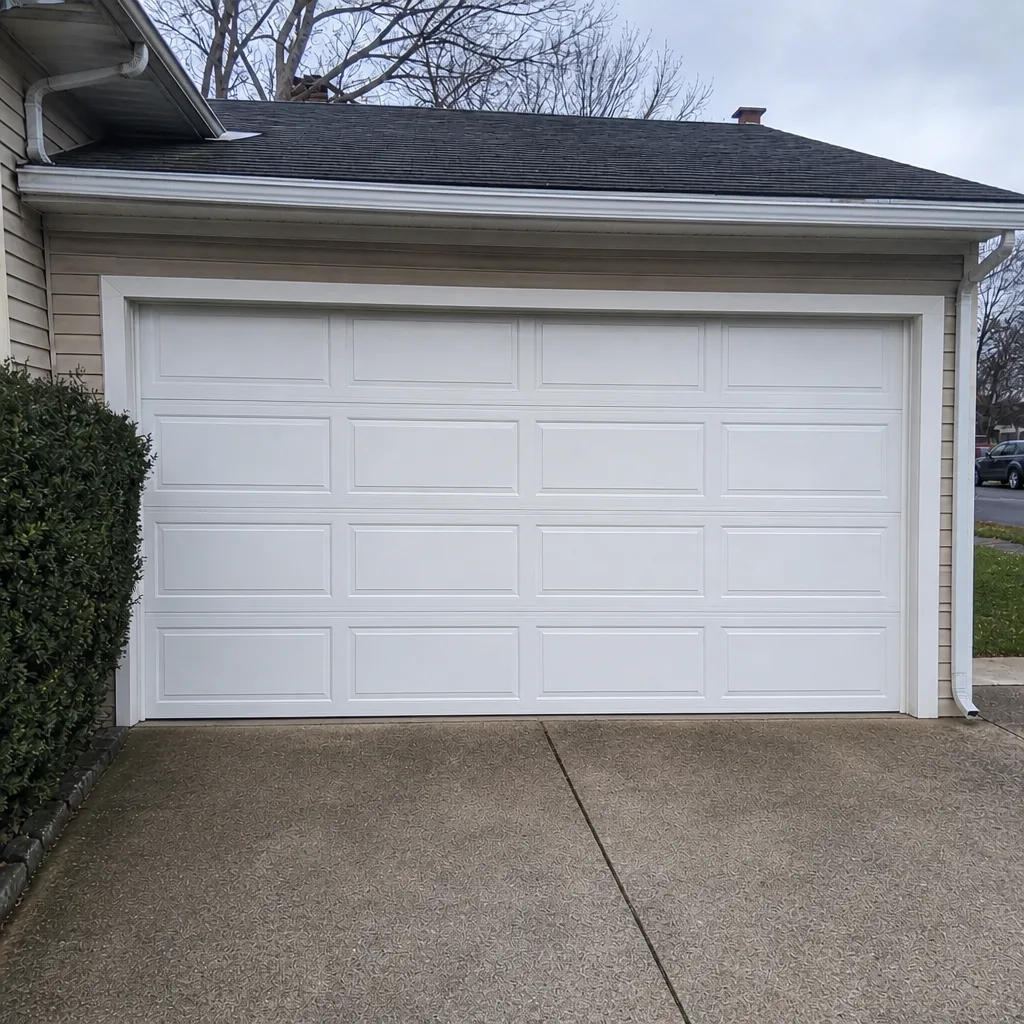 After
When to Call a Professional
Call a professional if any of the following is true: you’re replacing a broken spring (the highest-tension component in the whole system, and not a DIY job); your door won’t open, is stuck open, or has come off the track; the opener is reversing for no clear reason; or you’re planning a replacement that changes the opening size or adds new electrical work. We handle everything from a snapped spring to a full new installation under one company, so you’re not calling a second contractor for the bigger job. Our technicians have up to 9 years of experience, and we work across LiftMaster, Chamberlain, Genie, Clopay, Amarr, Wayne Dalton, Craftsman, and Raynor systems. Garage Door Repair Levittown Pros offers free estimates in Levittown; call (877) 792-5882 and we’ll help you sort out the permit question and get a written price before any work starts.
Frequently Asked Questions
Usually not, if it’s a like-for-like replacement of the same size door in the same opening with no structural or electrical changes. You cross into permit territory when you enlarge the opening, modify the header, add a new opener circuit, or convert the garage to living space. Call the Town of Hempstead Building Department with your address and the job scope, and get their answer in writing. Call (877) 792-5882 if you want help framing the question before you call.
A like-for-like replacement fits the existing opening without changing the frame, header, tracks, or wiring. A structural alteration changes the opening size, moves the header, or changes the load path above the door. The second one almost always needs a permit. If you’re not sure which category your job falls in, describe it to the town in plain language and ask.
Yes, and it’s common enough in Levittown resales that it’s worth getting ahead of. A buyer’s inspector may flag an opening that doesn’t match the town record, or electrical work with no permit. The usual fixes are retroactive permitting or a negotiated credit. If you’re selling and you’re not sure, request records from the town before you list. Call us at (877) 792-5882 if you want a professional set of eyes on what the door itself needs.
The main things are UL 325 entrapment protection: photo eyes mounted, aligned, and reversing the door on contact, plus a working manual release and a properly placed wall control. If the opener was installed on a new circuit, the electrical inspection covers the circuit too. A quick floor-block test before the inspector arrives catches most alignment issues.
No. The torsion spring is the highest-tension component in the system, and a failure can cause serious injury. Spring replacement is a trained-professional job, full stop. Our technicians handle spring repair as a dedicated specialty, and we’ll tell you honestly whether the spring is a simple replacement or a sign of a bigger structural issue. Call (877) 792-5882 for a free estimate.
Ask for the permit number in writing before work starts, then call the Town of Hempstead Building Department and confirm it covers your scope. After the job, get the signed inspection card and keep it with your home records. If a contractor tells you no permit is needed, get that in writing and confirm with the town yourself. That’s the cleanest chain of evidence at a sale.
The Bottom Line
Most Levittown garage door replacements don’t require a permit. What does require one is any change to the opening size, the header, the electrical layout, or the fire separation between the garage and living space. The permit question matters less at the moment of install and more at a future home sale, when a buyer’s inspector is asking for paperwork. Verify with the Town of Hempstead before work starts, get the answer in writing, and keep the inspection card when the job closes out. If your door is failing or your opener is on its way out, we can help you sort out what’s a repair and what needs a permit before you commit to either.
When your door won’t move, we move fast: we handle repair, spring work, opener repair, and full installation under one company. Whether you’re in a Levittown colonial with an original postwar opening or a house with a converted garage, call Garage Door Repair Levittown Pros at (877) 792-5882 for a free estimate. We’ll quote the job in writing, agree the price before any work starts, and walk you through any permit question along the way. Estimates are free, and diagnosis comes first.
Written by the team at Garage Door Repair Levittown Pros.