Last updated November 23, 2026
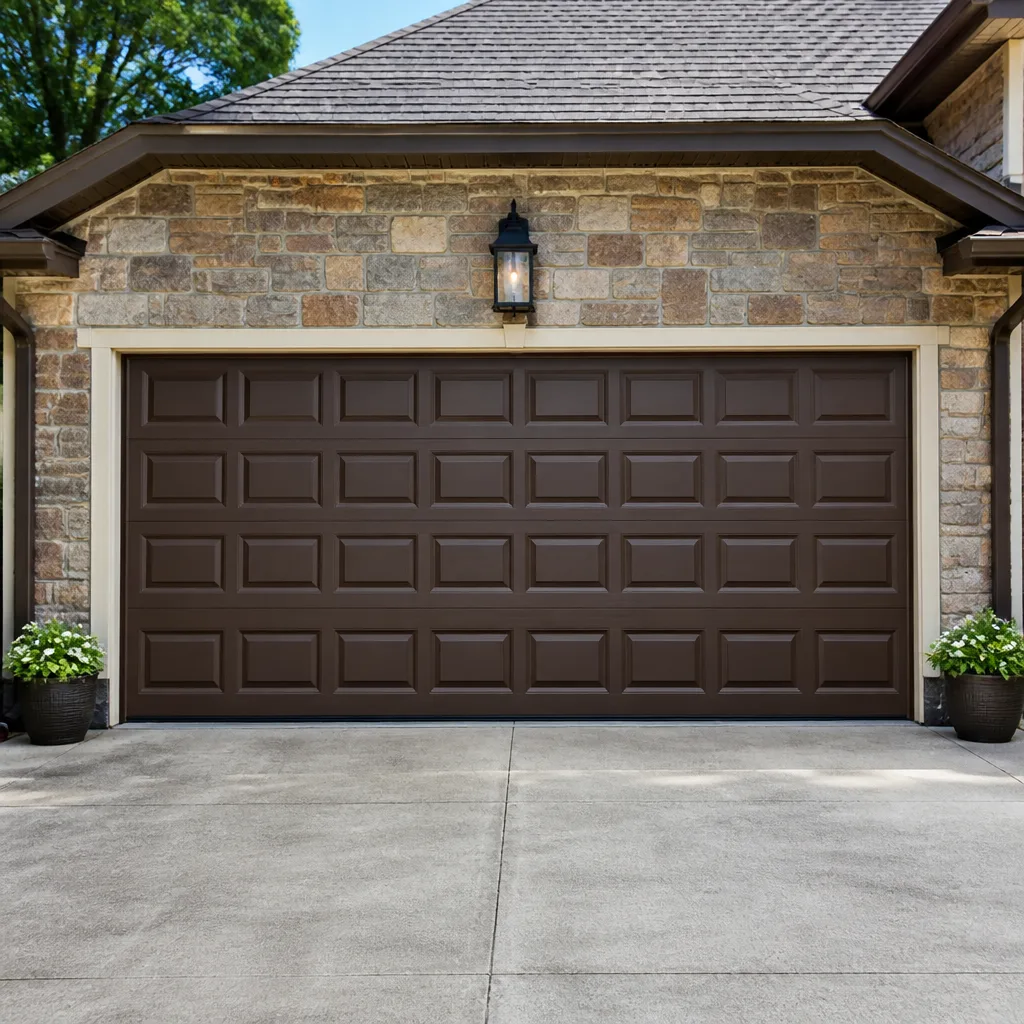 Raised-panel steel
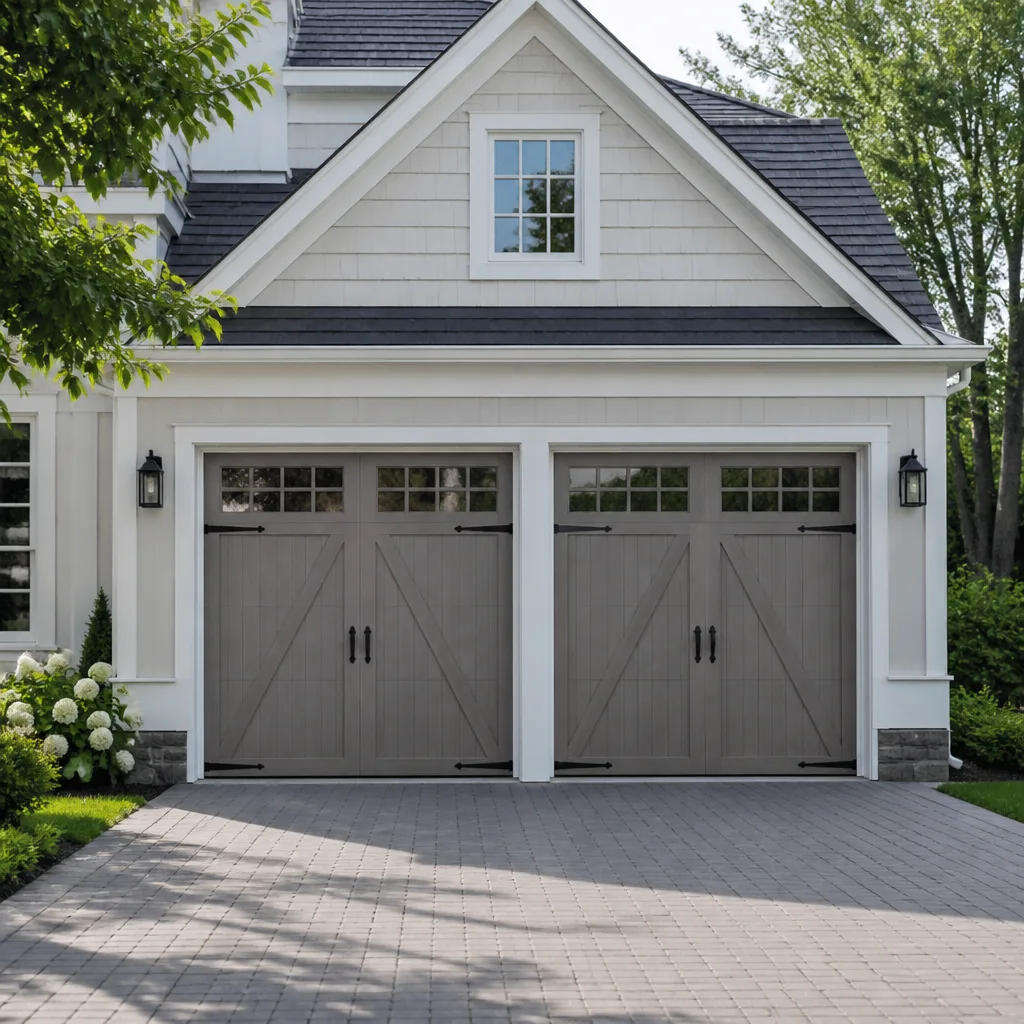 Carriage house
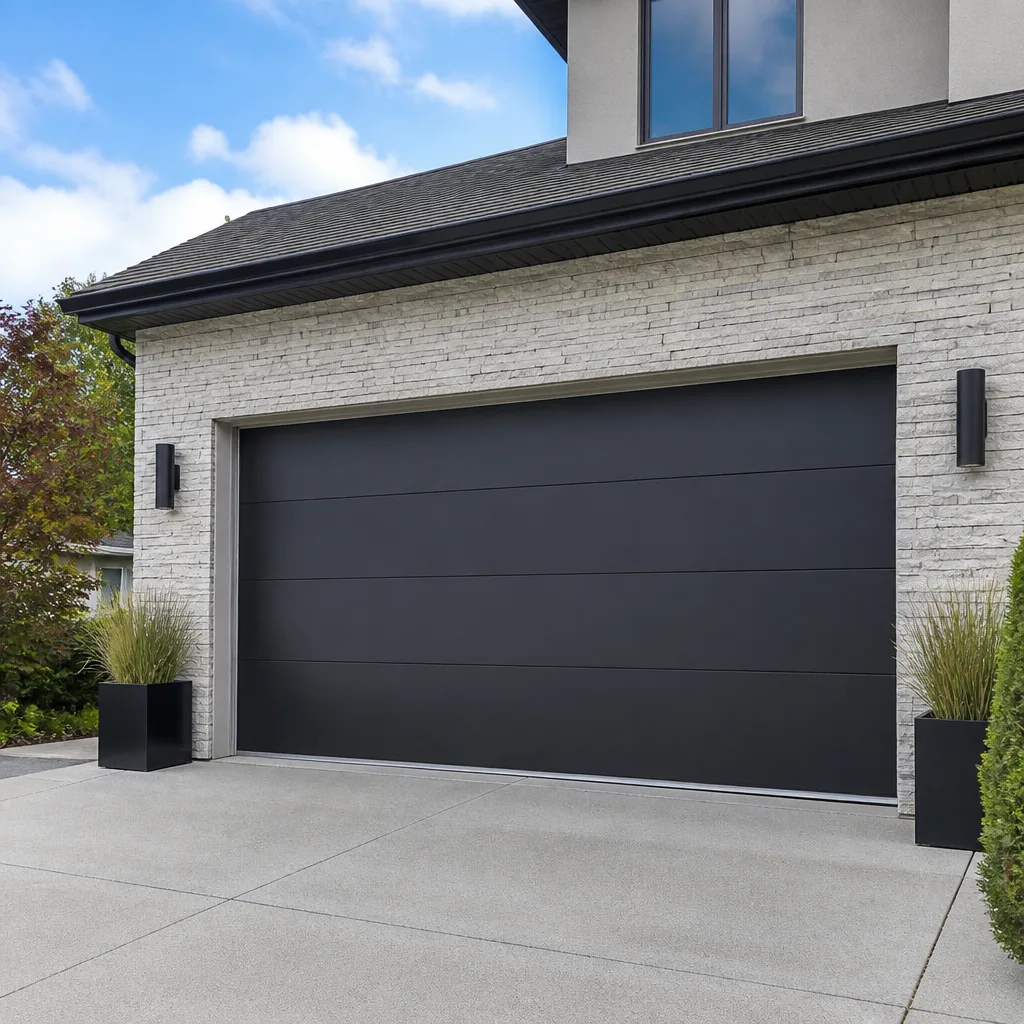 Modern flush
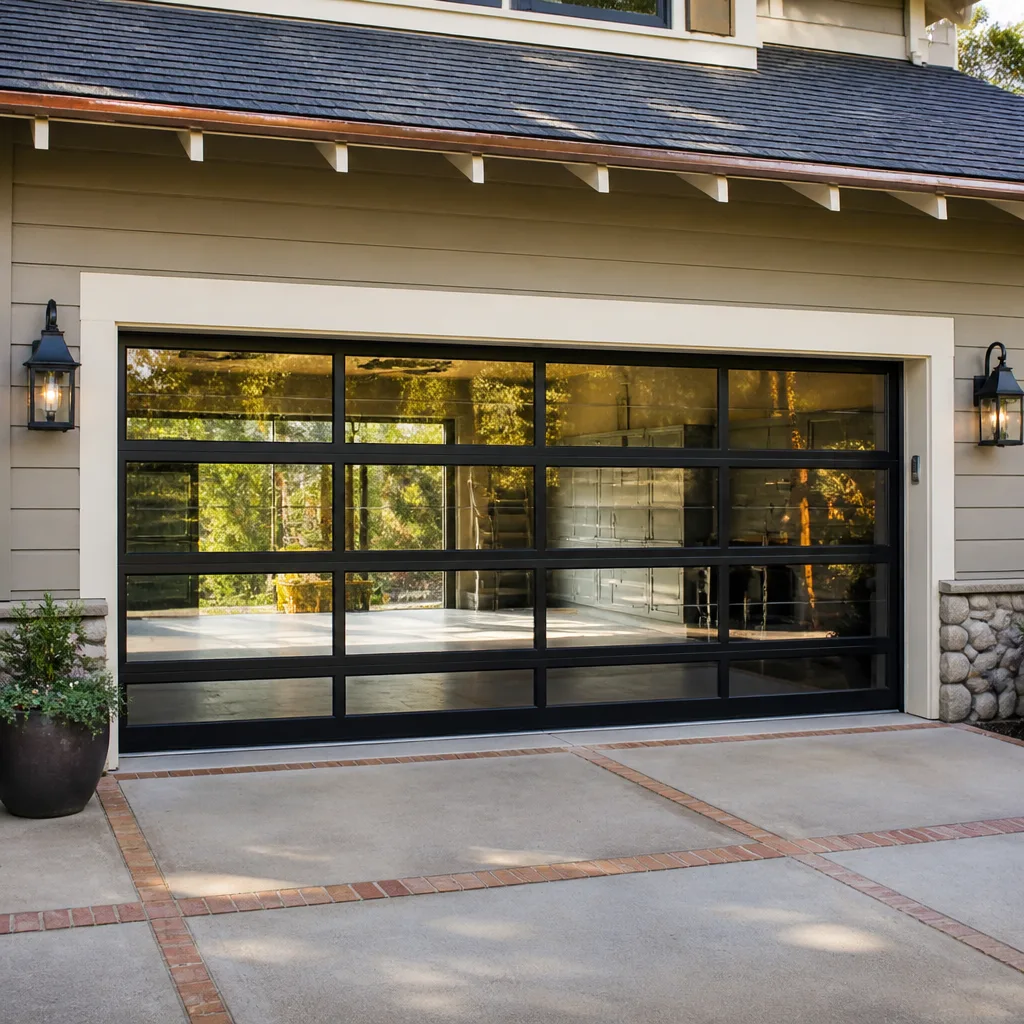 Full-view glass
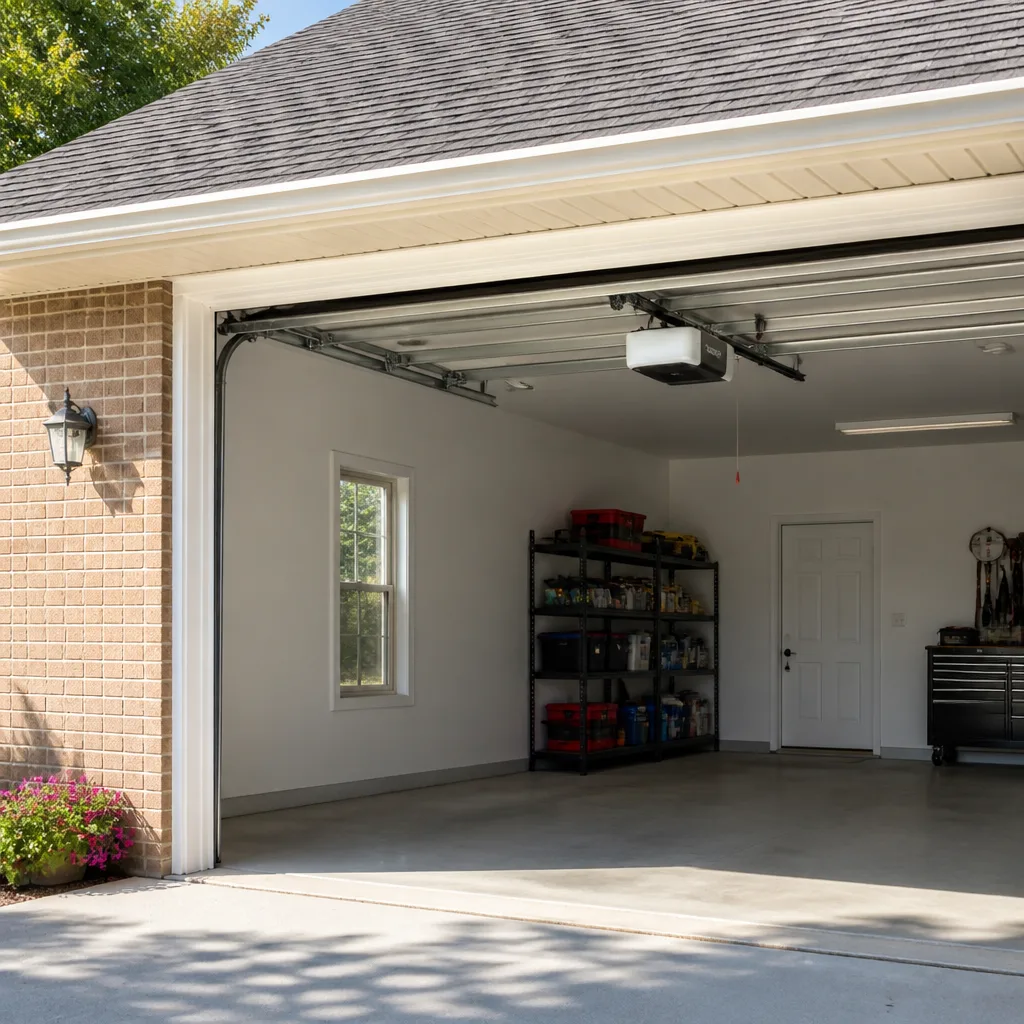 LiftMaster openers
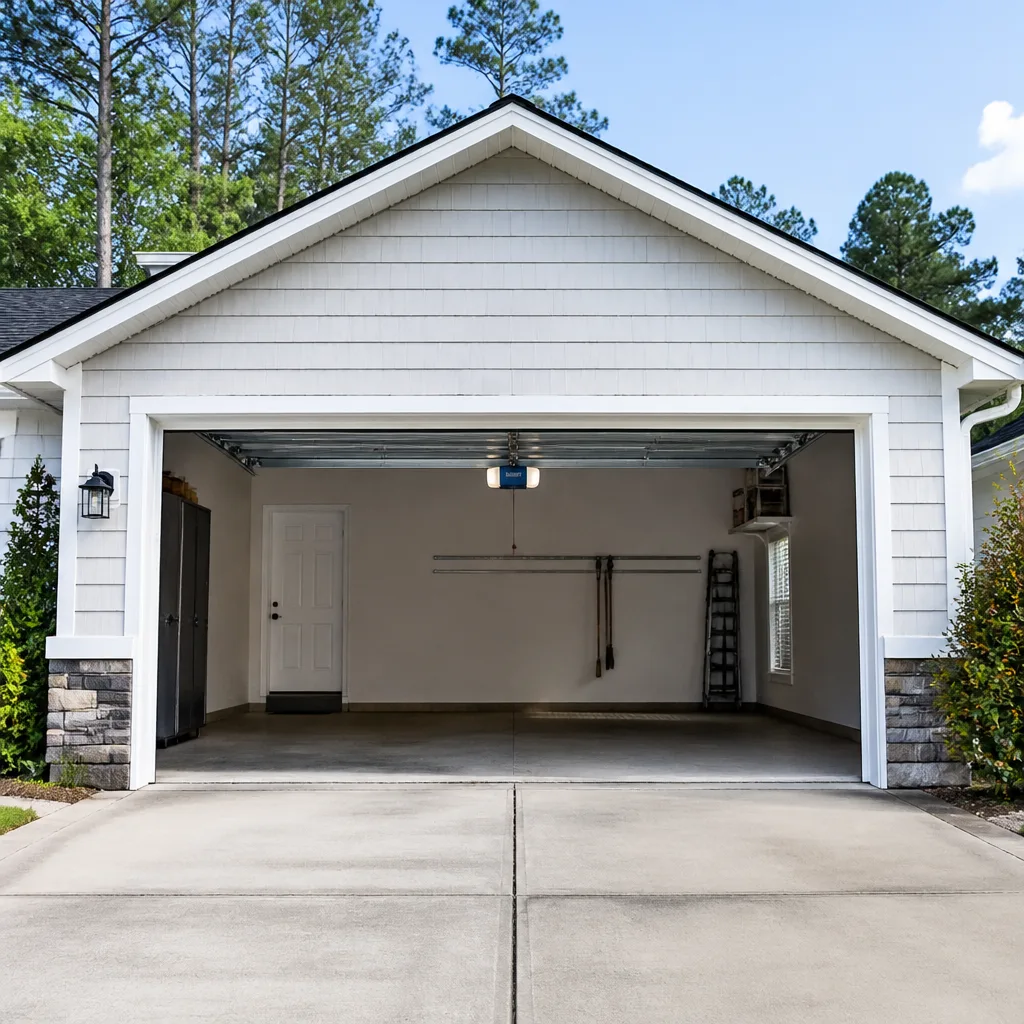 Chamberlain openers
Full 25-point door and opener safety check with every visit - springs, cables, rollers, tracks, and your LiftMaster or Chamberlain opener included
You get a price before we start. It does not change when the pro arrives.
Get your free estimateGarage Door Repair Troubleshooting in Levittown: Common Problems and How to Fix Them
A garage door that reverses before it closes and a garage door that won’t move at all look like the same problem from the end of the driveway. They’re not. One is often a dirty safety sensor that costs nothing to fix. The other can be a snapped cable with a door hanging on one side. Most homeowners in Levittown describe the symptom and stop there, then either call for help they didn’t need or keep forcing a door that’s about to fail worse. This guide walks through how to read the actual failure: the sound, the movement, the behavior of the door and the opener. You’ll learn which problems are safe to handle yourself and which ones will hurt you if you touch them.
Quick Answer
Garage door troubleshooting starts with matching the symptom to the right component: a door that reverses immediately points to the safety sensors, a door that’s dead on one side points to a cable or spring, and a door that hums but won’t move points to the opener. The truly dangerous parts – torsion springs and the cables under tension – should never be adjusted by a homeowner, and anything involving a full twist spring, a snapped cable, or a door hanging off its track needs a trained technician. Replacing a remote battery or realigning a sensor is safely within reach for most people.
Styles & brands we work with
- Raised-panel steel
- Carriage house
- Modern flush
- Full-view glass
- LiftMaster openers
- Chamberlain openers
Table of Contents
- Symptom-to-Component Map: What Each Failure Is Telling You
- Spring Failure vs. Cable Failure: Same Symptom, Very Different Repair
- Reading Opener Diagnostic Codes: LiftMaster, Chamberlain, and Genie
- The Manual Disconnect Test: Isolating Mechanical vs. Electrical
- What’s Safe to Fix Yourself in Levittown (And What Isn’t)
- Small Symptoms That Signal a Bigger Bill
- Levittown-Specific Factors That Affect Your Door
- Repair or Replace? A Practical Test
Symptom-to-Component Map: What Each Failure Is Telling You
Before you reach for a tool, watch and listen. A garage door is a complete system: springs carry the weight, cables keep the door level, the opener supplies the push, and the tracks keep everything moving in a straight line. When one part fails, it produces a signature. Learn the signature and you’ll diagnose the problem from the comfort of the driveway.
Here’s the map we use in the field:
- Door reverses immediately after touching the floor: safety sensor obstruction, misalignment, or a sensor lens clouded by dust. Almost always electrical.
- Door opens a few inches and stops: travel limit set wrong on the opener, or a bind in the track that’s tripping the safety reverse.
- Loud bang from above the door, then door won’t open: a torsion spring has broken. The sound is the spring releasing stored energy. This is the classic spring failure, and it should never be touched by a homeowner.
- Door rises crooked, drops hard on one side: a cable has come off its drum or snapped. The door is now carrying uneven load on one spring side.
- Grinding or scraping as the door travels: dry or worn rollers, or a track that’s out of alignment.
- Opener hums but door doesn’t move: stripped opener gear, dead motor capacitor, or the manual release has been pulled out of position.
- Remote works intermittently: low remote battery, antenna wire disturbed, or a nearby LED or Wi-Fi router causing interference.
For residents in sections of Levittown where the same builder put up dozens of homes with identical garages, the good news is the failures tend to repeat. Our technicians have up to 9 years of experience and have seen these symptoms many times over, which is exactly why the diagnosis usually takes minutes once we know the model.
Spring Failure vs. Cable Failure: Same Symptom, Very Different Repair
Both a broken spring and a snapped cable leave you with a door that won’t open properly, but the two failures behave differently and need very different work. Confusing them is the single most common misdiagnosis we run into across Levittown, and it usually leads to the wrong parts being replaced. Here’s how to tell them apart.
How a Broken Spring Behaves
Torsion springs sit on a steel shaft above the door. Extension springs run along the sides. When a torsion spring breaks, you usually hear a sharp crack, and the door becomes too heavy to lift by hand – sometimes because a section of the door is left hanging when the opener tries to raise it. Lights on the opener may flash, or the door may open a few inches and stop because the operator can’t lift the unassisted weight. Spring repair is a specialist job, and we treat it as one. The springs hold the equivalent of the door’s full weight in stored tension.
How a Broken Cable Behaves
Cables run from the bottom corner of the door up to a drum at the shaft. When one snaps, the door tilts. One side rises while the other stays put, sometimes pulling the door sideways and scraping the track. You may see a frayed wire hanging near the bottom corner bracket. Like a broken spring, a snap means the door is now carrying uneven weight, and the whole assembly is under abnormal stress.
If your door is doing either of these things, stop operating it with the opener. Operating a door on a broken spring can burn out the opener motor and bend panels, doubling the repair cost. Call us for garage door spring repair and we’ll get eyes on it before you cycle it again.
Reading Opener Diagnostic Codes: LiftMaster, Chamberlain, and Genie
Most modern openers will tell you what’s wrong if you know where to look. The lights on the back of the motor unit are a diagnostic system, and each brand uses a slightly different language. Knowing yours saves a diagnostic visit and helps you describe the problem accurately on the phone.
LiftMaster and Chamberlain (Same Parent Line)
These two share electronics architecture in many models, so the codes work the same way. The most common signals:
- One flash, then pause: safety sensor obstruction or misalignment.
- Two flashes: safety sensor wire issue or a short in the circuit.
- Three flashes: safety reverse system malfunction.
- Four flashes: door travel limit issue – the opener thinks the door is stuck.
- Five flashes: the opener is receiving a bad signal from a wall control or the motor is drawing excessive current.
Genie
Genie uses patterns with the main light, and different models vary. A common Genie pattern is a rapid blink indicating a safety sensor problem and a slower blink indicating a travel limit issue. Many Genie units display codes on a display panel or through the LED light on the opener body, so if you don’t have the manual handy, note the exact blink count and call us with it.
Craftsman and Raynor
Older Craftsman openers use similar flash patterns to the LiftMaster family. Raynor units used in many Levittown homes have their own diagnostic approach. Rather than guess, we keep brand familiarity in-house so that when you call about a garage door opener repair we already know the architecture you’re working with.
The Manual Disconnect Test: Isolating Mechanical vs. Electrical
If you’re not sure whether the problem is in the door or the motor, the manual release is your friend. This test tells you in about two minutes whether the door can be moved by hand, which separates mechanical problems from electrical ones. It doesn’t require tools and doesn’t involve touching any spring or cable.
- Close the door completely and make sure no one is standing under it.
- Stand to the side of the door, not underneath it. Pull the red manual release handle (usually hanging from the trolley in front of the opener) to disconnect the door from the chain or belt.
- Grip the bottom of the door and lift slowly. A properly weighted door lifts with one hand and stays up when you let go at about waist height. It should feel balanced all the way up and down.
- If it lifts with barely any effort, the springs are working. If it feels very heavy on one side, or has to be forced, a spring or cable has likely failed. If it moves smoothly but won’t stay open, the spring tension may be off.
- Push the door down and re-engage the trolley by pressing the opener button or reinserting the manual release. Then try the wall button. If the door opens fine with the opener but was hard to lift by hand, the opener motor is fine and the door needs work. If it’s the reverse – easy by hand, dead with the opener – you’re looking at an electrical or operator issue.
Never leave the manual release pulled for regular use. The door is off the operator and can drop unexpectedly. If you have to use this test repeatedly, that alone is a sign something is wrong.
What’s Safe to Fix Yourself in Levittown (And What Isn’t)
Homeowners reach for a screwdriver when the door misbehaves, and sometimes that works. Many calls we run in Levittown turn out to be problems you could have solved in 10 minutes. Other times a DIY attempt is how we end up with a bigger, more expensive repair. Here’s the honest line.
Safe to Handle Yourself
- Realigning safety sensors. Look for the two small electrical eyes near the bottom of the tracks. Make sure they face each other, are roughly 4-6 inches off the floor, and aren’t blocked by a cobweb, dead leaf, or shovel. Wipe the lenses with a soft cloth.
- Reprogramming a remote. Battery replaced, then the pairing sequence specific to your brand. See your manual for the exact steps.
- Replacing a remote battery. The number one fix for intermittent remotes.
- Clearing obstruction from the track. If you see a leaf, twig, or stray piece of hardware jammed in the track, remove it carefully by hand with the door closed and the opener powered off.
- Lubricating rollers and hinges. A garage door specific lubricant, not WD-40.
Never Touch These
- Torsion springs. They are under enormous tension and can cause severe injury if they release unexpectedly. Even adjusting them by a quarter turn is a job for trained hands.
- Cables and drums. The cables are the second-highest tension component. A cable under load can snap with cutting force.
- Track realignment when the door is warped. You can bend the door trying to re-seat it and make the problem worse.
- Opener motor internals. A capacitor can hold a charge after the power is off.
If you aren’t sure which side of the line a problem falls on, call us. A diagnosis over the phone is faster than an injury. When you’d rather have the whole job handled – or you want a door that’s not just patched but working properly – we also provide garage door repair with brand-specific diagnosis from the first visit.
Small Symptoms That Signal a Bigger Bill
The most expensive garage door repairs are usually the ones that started small. A door that’s just a little slow, or just a little noisy, is often a step away from a much larger failure. Catch these in time and you’re paying for a part. Miss them and you’re paying for a component plus the damage it caused.
- Grinding or squealing on the way up: usually worn rollers or a dry hinge. Replacing rollers is cheap. Putting it off wears the track, and a bent track can be a several-hundred-dollar job.
- Slower-than-usual opening: a struggling opener motor or a door that’s heavier than it should be because a spring is losing tension. Keep running it and the opener will eventually fail.
- Door doesn’t rest flush against the floor: the bottom seal is compressing wrong, or the travel limit is off. Small gaps let cold winter air and water in and can lead to a frozen door in the colder months around Levittown.
- Door wobbles as it rises: an early sign of a stretched cable or a roller coming out of the track. Almost always cheap to catch here, expensive to catch after a panel is bent.
- Remote works sometimes but not others: could be a dying opener logic board. Replacing a board is a real repair. Replacing an opener is much bigger. Better to catch it early.
If you’re noticing any of these, we can come out and give a straight answer on what needs attention now and what can wait. Our team diagnoses first and repairs second – no pressure to replace parts that don’t need replacing.
Levittown-Specific Factors That Affect Your Door
Garage doors in Levittown deal with conditions that parts of the country don’t have to think about. Cold winters mean expansion and contraction on every metal component, and the freeze-thaw cycle sends moisture into any seal that’s less than perfect. That stress tends to show up first in the springs, the bottom seal, and the weatherstripping. When a seal cracks from cold, water gets in, and metal components rust faster than you’d expect.
Many Levittown homes built in the original post-war development still have garages that were sized in an era when the car was smaller. That means single-car doors that get used constantly, and the door that goes up and down four times a day ages faster than one used twice a week. A well-maintained single-car door will typically outlast a neglected one by years, and the maintenance that matters is not complicated: lubrication, roller inspection, balance testing.
Our technicians have up to 9 years of experience on the models most commonly found in Levittown garages: Clopay steel doors, LiftMaster openers, and a mix of Chamberlain, Genie, Amarr, Wayne Dalton, Craftman, and Raynor units. When we arrive, we already know the architecture of your system, which means less diagnostic time and fewer wrong guesses. That’s a real advantage when you’ve got a car trapped on one side.
Repair or Replace? A Practical Test
The question every homeowner asks eventually: when does a repair stop making sense? There’s no single dollar threshold – it depends on the age of the door, the number of failing components, and whether you intend to stay in the house. But you can use a practical decision framework.
- Count the failures. One problem (spring, opener, sensor) is a repair. Three or more at once on a door that’s old is often a replacement signal.
- Ask about the panels. A bent panel from a backing-out incident is repairable. A panel that’s separated from its structural frame usually isn’t. A door hanging crooked because the whole assembly is warped typically needs replacement.
- Match the opener to the door. An old opener on a modern door may be undersized. If the door is going to be replaced with something heavier, the opener may need to go too.
- Think about the price of another round of repairs. If you’ve replaced the same components twice, a new door is often the better financial choice.
We handle both repair and full installation, so you’re not handed off to a different contractor if the answer is replacement. New door installation is measured and scheduled – we come out, confirm the size, order the door that fits, and quote you a written price before anything gets ordered. When the answer is repair, we go straight into repair. Diagnosis first, repair second, no guesswork on the parts.
Common Mistakes to Avoid
- Forcing a door that’s stuck. If the door won’t move, don’t keep pressing the opener button. Every failed attempt strains the motor and can bend the panels. Let it stop, then diagnose.
- Adjusting torsion springs yourself. This is the one mistake we genuinely fear for homeowners. Springs are wound to hundreds of pounds of tension, and a release can cause serious injury in an instant. Call a professional.
- Ignoring a noisy door. Grinding in December becomes a bent track in February. The louder things get, the closer to a failure you are. Noise is a warning, not a personality trait.
- Lubricating with the wrong product. WD-40 and similar general-purpose sprays attract dust and dry out what they touch. Use garage door specific lubricant on hinges, rollers, and springs.
- Replacing a remote when the problem is the opener. If the remote works from 20 feet but not 2 feet, that’s usually a battery. If it works with the wall button but never the remote, it’s a pairing issue. If both fail, it’s the opener. Don’t buy a new remote until you’ve tested.
- Misdiagnosing sensor problems as opener failures. A door that reverses at the floor is almost always sensors before it’s anything else. Look at the lights on the sensor kit – most have an LED that tells you their status.
- Putting off a professional after a snapped cable. A door with one broken cable is dangerous. It can drop without warning. We’ll come as soon as we can – this is one of the calls that gets emergency response.
See the difference
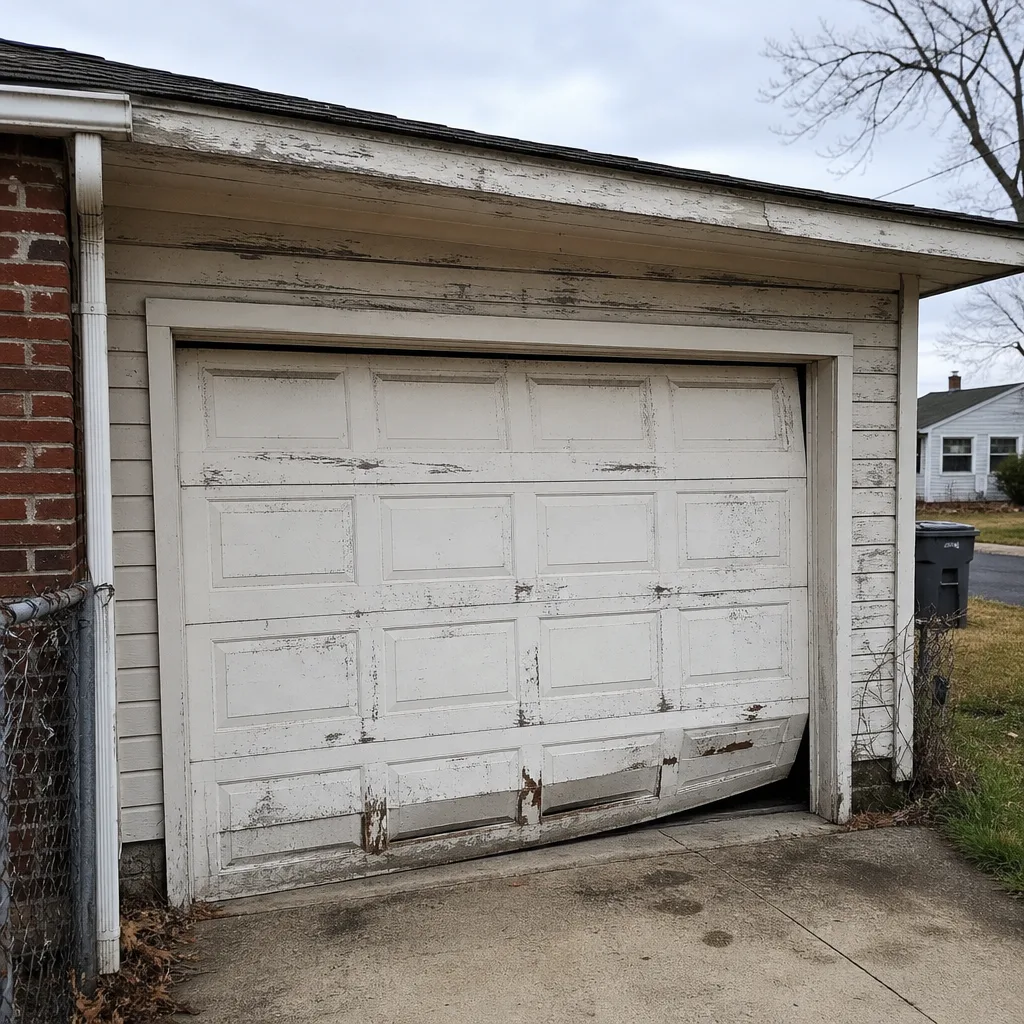 Before
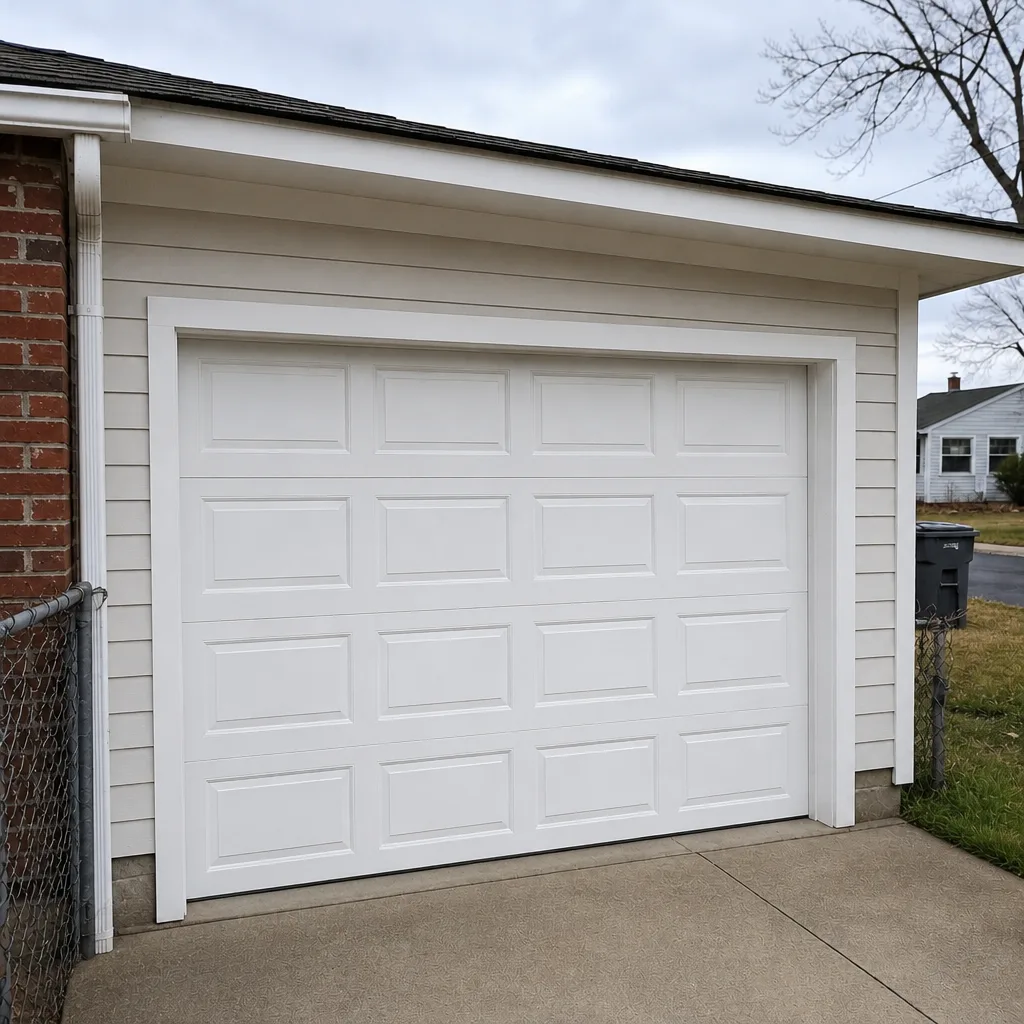 After
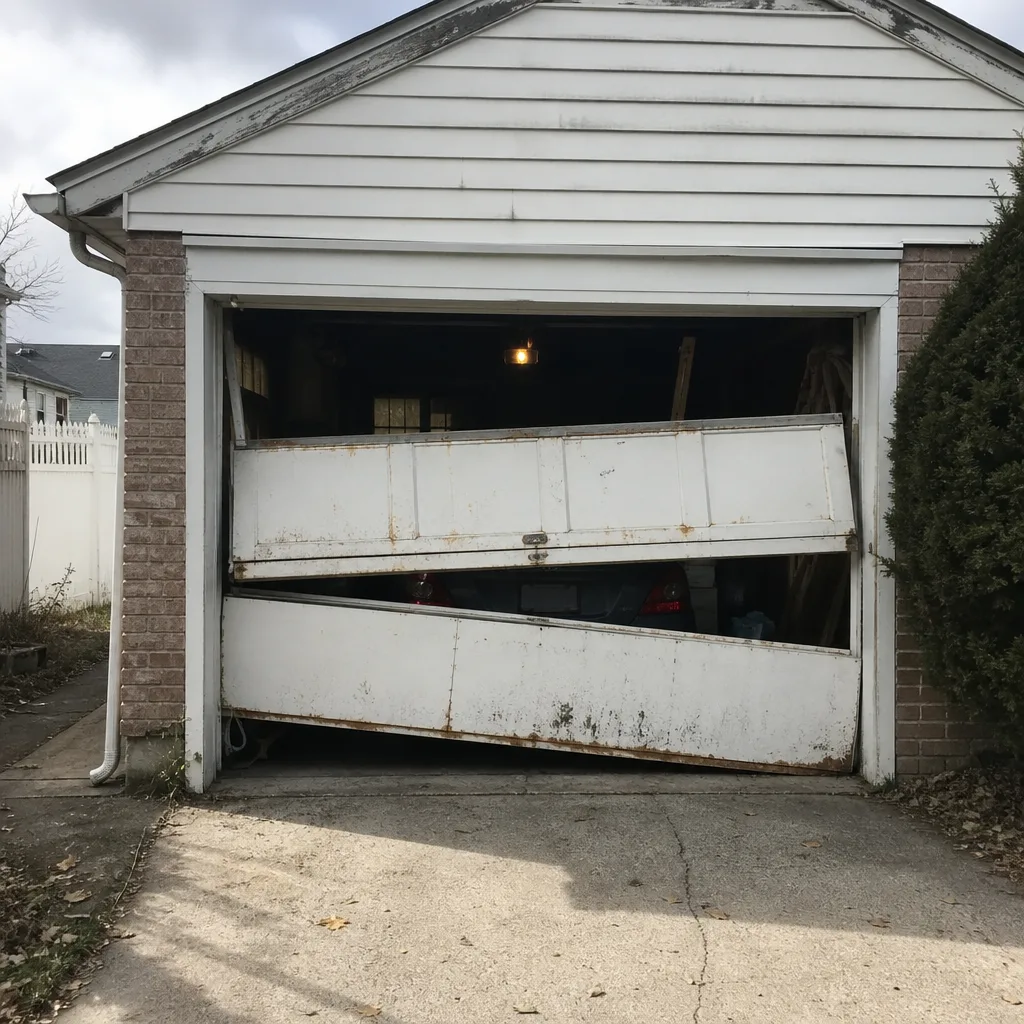 Before
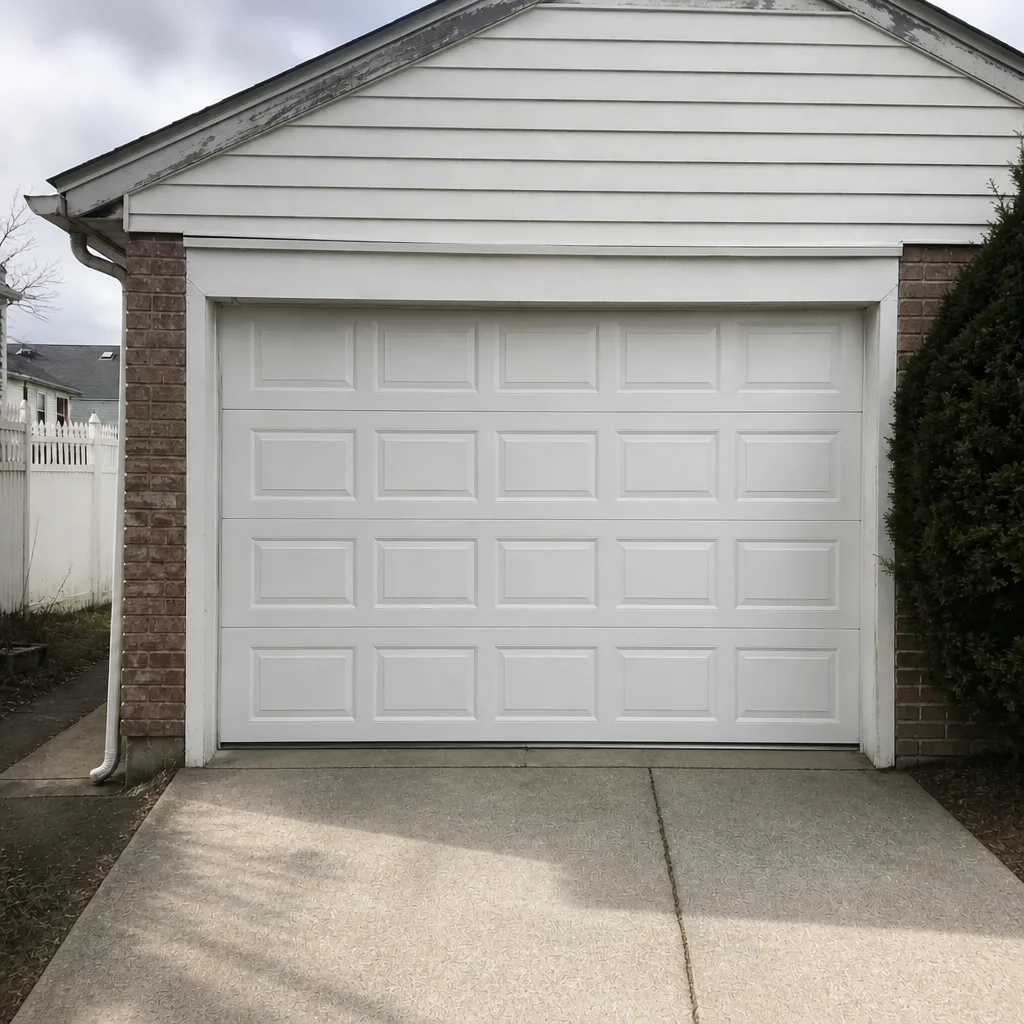 After
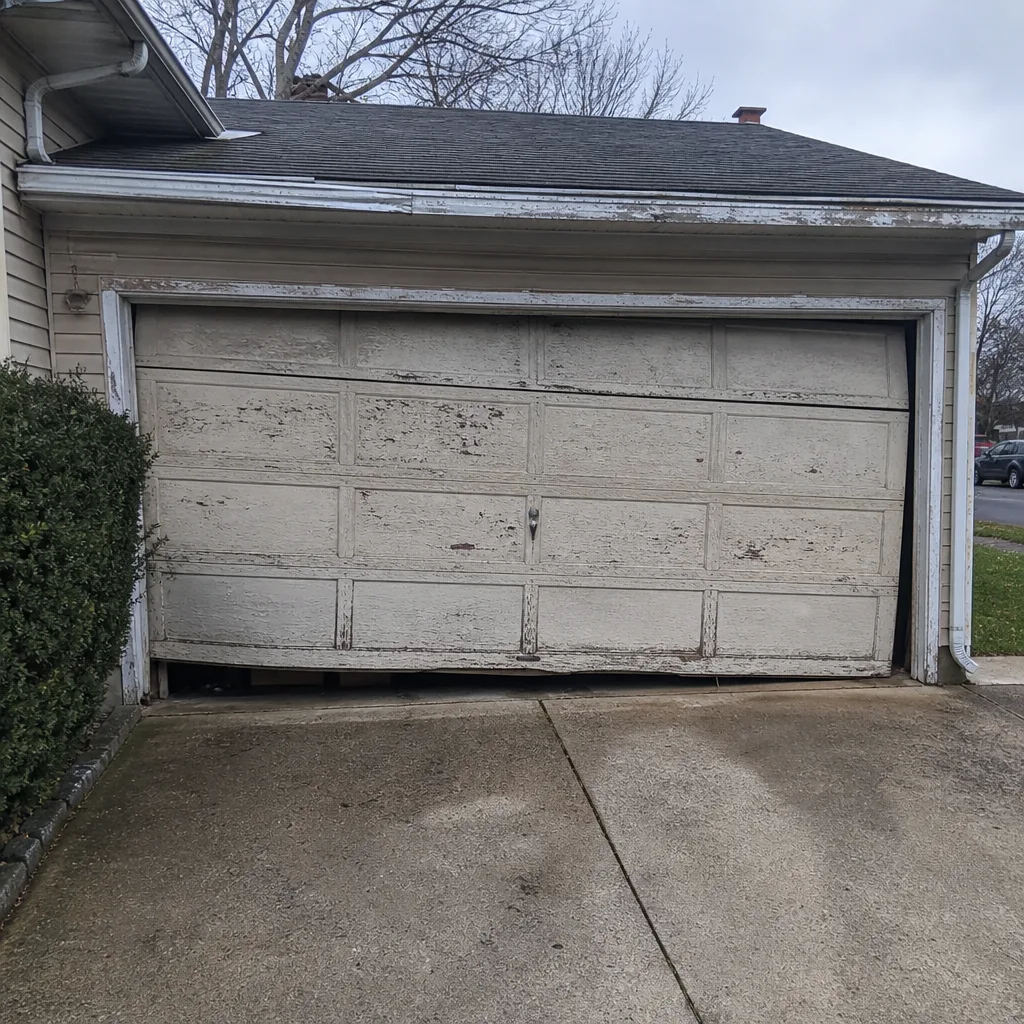 Before
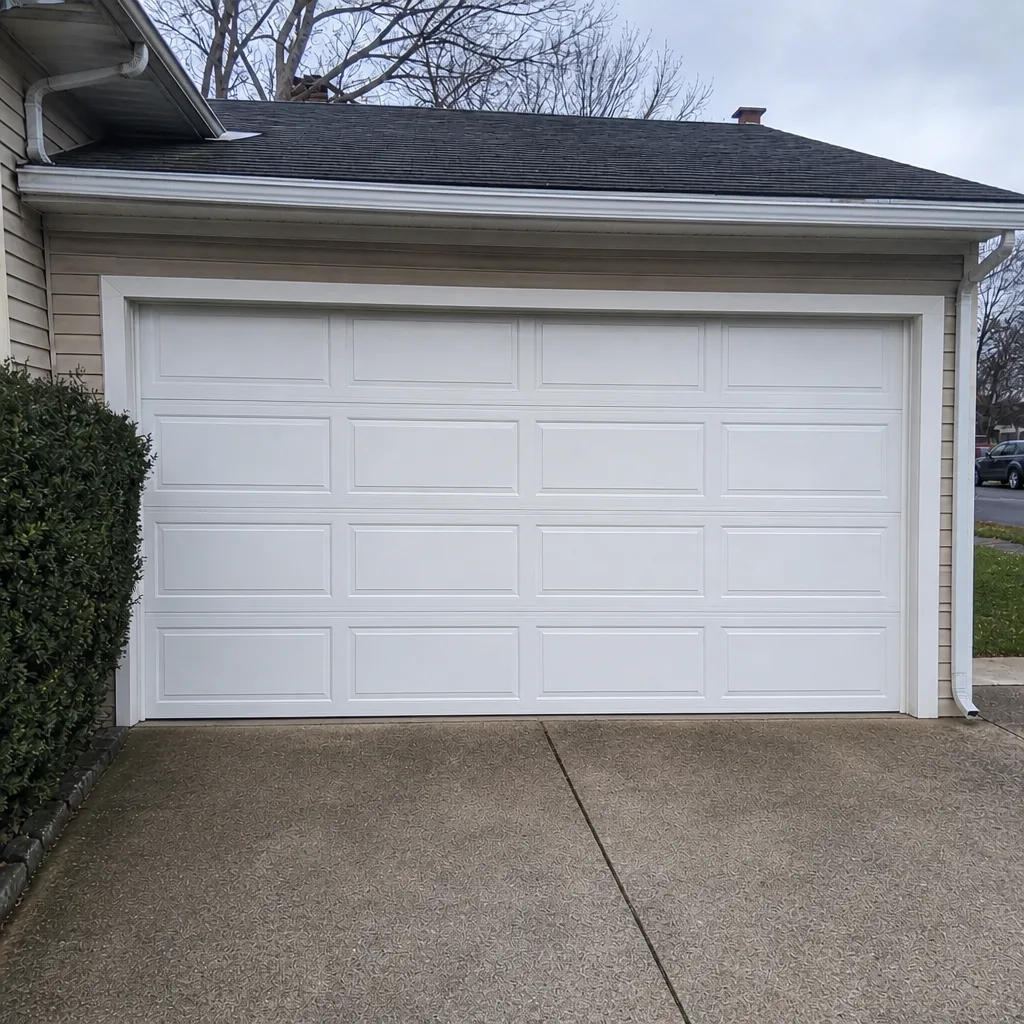 After
When to Call a Professional
Call a professional when the component involved is under tension (springs, cables), when the door is crooked or hanging off the track, when the opener motor is dead, or when you’re not sure what’s happening and don’t want to risk it. In Levittown, that call now goes to a team that works on your brand, knows the failure history of that model, and arrives prepared. When your door won’t move, we move fast – the service line handles emergency work like a door stuck open, a snapped spring blocking a vehicle, or a door that’s hanging off the track after a cable snapped. Diagnosis comes first, the quote comes before any work starts, and the price you agree to is the price you pay. Garage Door Repair Levittown Pros offers free estimates in Levittown – call (877) 792-5882.
Frequently Asked Questions
Most garage door repairs in Levittown fall in the $150-$400 range depending on the component. Common jobs like replacing a broken torsion spring, repairing a snapped cable, or replacing worn rollers typically land inside that bracket, while opener replacements and panel repairs vary more. The written estimate we give you before work starts is the price, and it’s free to get one. Call (877) 792-5882 for an exact quote.
Yes, in most cases. A door stuck open is an emergency because it leaves the house exposed to weather and security risk, and it’s one of the situations we prioritize. Our service line handles emergencies for failures that block vehicle access or leave your home open. Call (877) 792-5882 and tell us what you’re seeing – the more specific the symptom, the faster we can get you booked.
No, the price we quote is the price you pay for the work described in the quote. If we open things up and find a different problem, we stop, explain what we found, and quote the corrected work before proceeding. We don’t surprise you at the end of the repair. Call (877) 792-5882 for a free estimate.
The local pros we connect you with are licensed and insured as their state requires. We only work with technicians who can do brand-specific diagnosis across the eight brands we support: LiftMaster, Chamberlain, Genie, Clopay, Amarr, Wayne Dalton, Craftsman, and Raynor. If you’re not sure who’s coming out, ask us before we book. Call (877) 792-5882.
No. Spring repair is not a DIY job. The springs hold the weight of the entire door in stored tension, and getting that wrong can cause serious injury in an instant. Even experienced technicians treat torsion springs with care. Call (877) 792-5882 for a same-day diagnosis and a written quote.
Each brand uses diagnostic lights differently. LiftMaster and Chamberlain use flash counts (one for sensors, two for wires, three for the safety reverse system, four for travel limits, five for a signal issue). Genie and Raynor differ. Note the exact flash count and call us – the code tells us a lot before we walk in. Call (877) 792-5882 for opener repair.
The Bottom Line
Most garage door problems tell you what’s wrong if you know how to read them. A door reversing before it touches the floor is usually sensors. A door hanging on one side is usually a cable. A bang followed by a door that won’t move is almost always a spring. Sensors and remotes are safe to handle. Springs, cables, and warped doors are not – those need a trained professional, because the cost of a mistake is measured in injury, not just dollars. When something small starts showing up – a grind, a slow lift, a wobble – it’s the warning before the expensive repair, not the beginning of a fixable problem. Fix it now, not later. Our technicians have up to 9 years of experience and work on the equipment in your garage across every major brand. Free estimates, upfront pricing, and a team that diagnoses before it repairs. Call (877) 792-5882 and get the answer before you get the repair.
Written by the team at Garage Door Repair Levittown Pros.