Last updated November 23, 2026
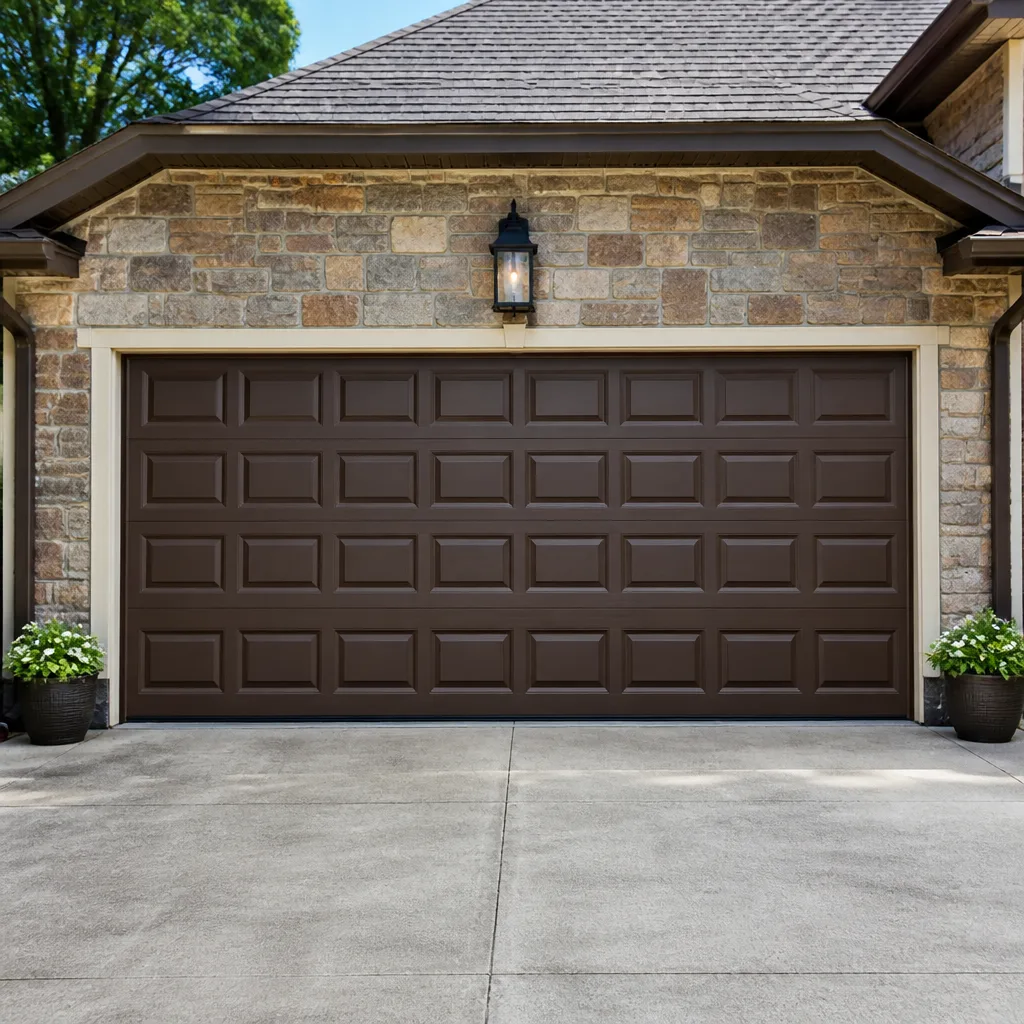 Raised-panel steel
 Carriage house
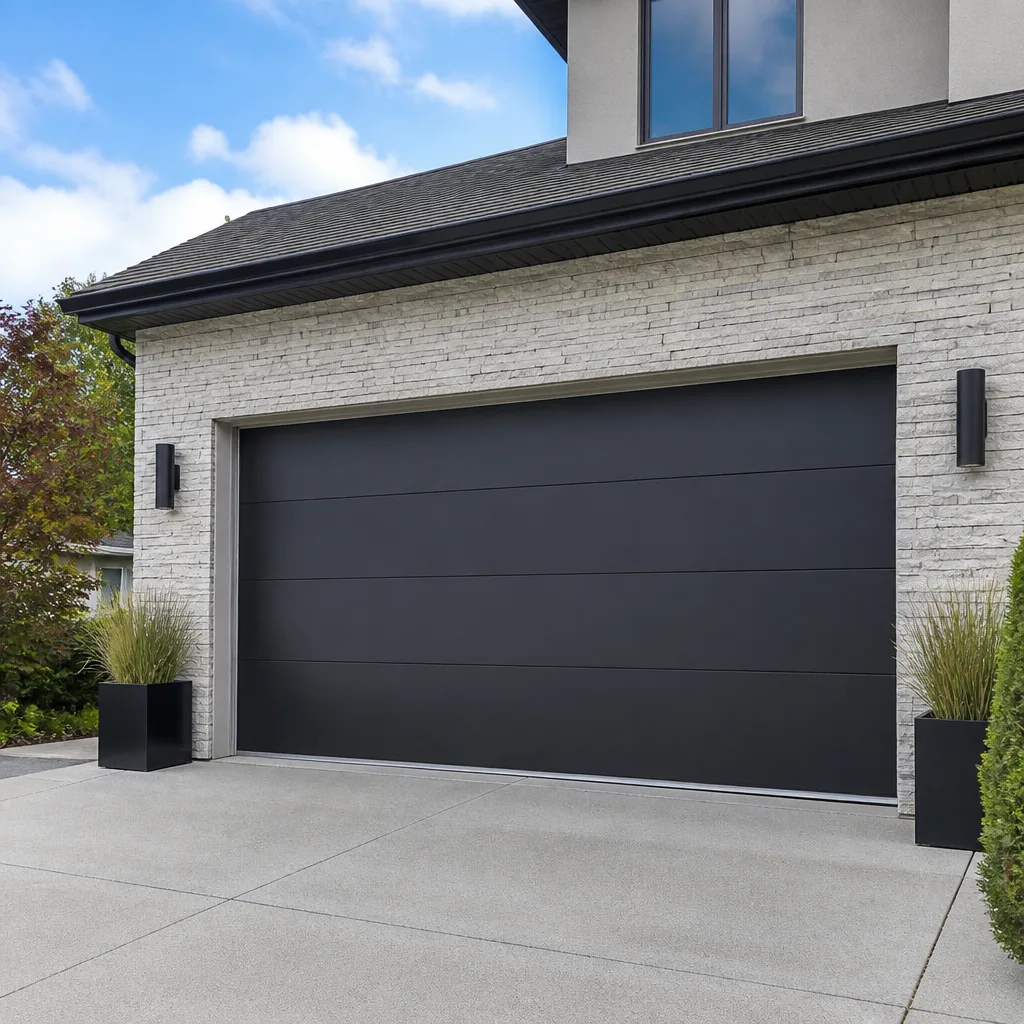 Modern flush
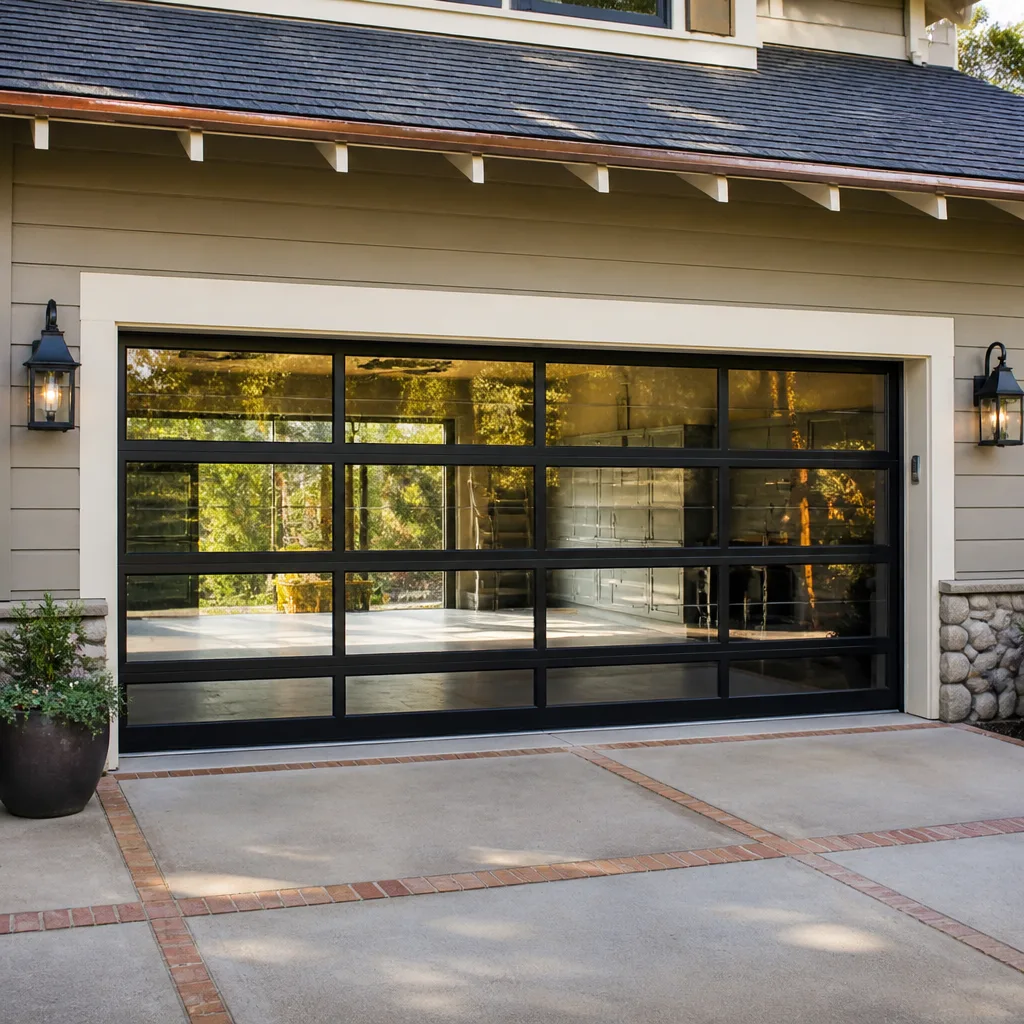 Full-view glass
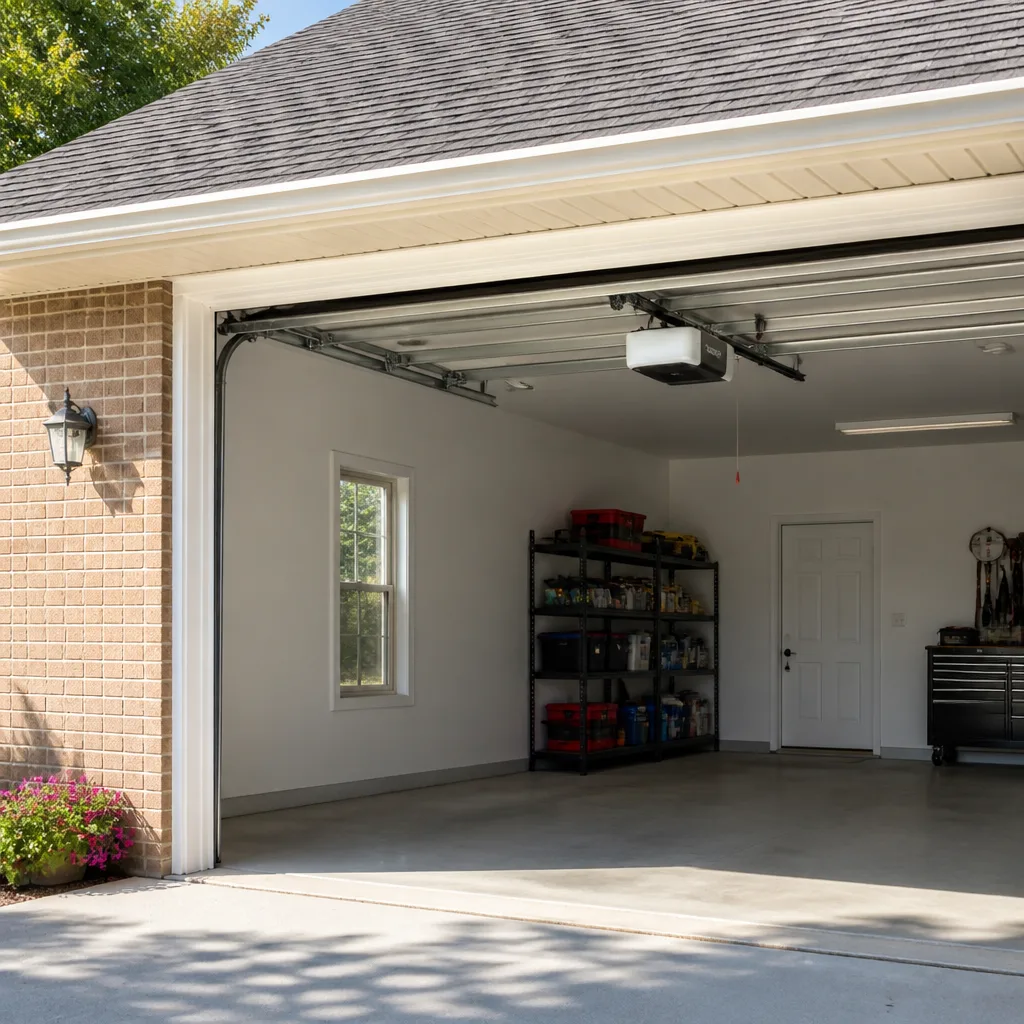 LiftMaster openers
 Chamberlain openers
Full 25-point door and opener safety check with every visit - springs, cables, rollers, tracks, and your LiftMaster or Chamberlain opener included
You get a price before we start. It does not change when the pro arrives.
Get your free estimateGarage Door Repair Maintenance Schedule: What to Do and When
Most homeowners treat a garage door like an appliance you fix when it breaks. That’s backwards. A garage door is a machine with moving parts under real load, and each part wears on its own clock. The torsion springs that lift the door are rated for about 10,000 cycles. If you open and close your door twice a day, you reach that limit in under 14 years, and skipping lubrication and tension checks can cut the life of those parts roughly in half. Meanwhile your rollers, cables, and bottom seal are aging at different rates entirely. This guide gives Levittown homeowners a real calendar: what to check monthly, what to do each season, what to handle once a year, and what to budget for before it fails. You’ll learn which products actually work, how to spot a failing spring before it snaps, and when a professional tune-up is worth the call.
Quick Answer
A working garage door maintenance schedule has three tiers: a monthly five-minute check (balance test, visual inspection, listen for new noises), a seasonal pass in spring and fall (lubricate rollers and hinges, check the weather seal, test the safety reverse), and an annual deep service covering springs, cables, and opener drive components. Replace rollers every 5 to 7 years and cables every 8 to 10 years so you budget ahead of failure instead of reacting to it.
Styles & brands we work with
- Raised-panel steel
- Carriage house
- Modern flush
- Full-view glass
- LiftMaster openers
- Chamberlain openers
Table of Contents
- Why Garage Doors Need a Schedule, Not a Tune-Up
- The Monthly Checklist
- The 10-Second Balance Test
- The Seasonal Pass: Spring and Fall
- How Levittown Weather Wears Down Your Door
- Parts With Predictable Replacement Windows
- The Annual Deep Service
- What a Technician Checks That You Can’t
Why Garage Doors Need a Schedule, Not a Tune-Up
A “tune-up” implies one visit fixes everything for a year. That’s not how the parts wear. Your torsion springs, rollers, hinges, cables, and bottom seal each have their own failure curve, and lumping them into a single annual event means some parts get attention too late and others too often. A better model is a calendar that respects each component’s timeline.
Think about it in cycles. Springs are rated by the number of open-and-close cycles they can handle. Rollers wear from rolling friction and dry bearings. Cables fray from tension cycling. The bottom seal takes a beating from the floor, the elements, and repeated compression. Each one degrades on a different schedule, which is why a door that “feels fine” can still be two months from a snapped spring or a stuck roller.
In our experience, the homeowners who avoid emergency calls are the ones who follow a simple schedule and replace parts on the front end. Levittown doors face real wear: freeze-thaw cycles in winter, humidity swings in summer, and daily use that adds up fast. A schedule catches problems while they’re still cheap to fix. A broken spring at 7 a.m. with a car trapped inside is the other path.
Here’s the core idea: you’re not maintaining a door. You’re maintaining eight or ten separate components, and each one deserves its own line on the calendar.
The Monthly Checklist
Once a month, spend five minutes on these checks. None of them involve tools beyond your eyes and ears, and together they catch most developing problems before they become failures.
- Run the balance test (detailed in the next section). It takes about ten seconds and tells you more about spring health than anything else you can do.
- Look at the springs. Torsion springs sit on the shaft above the door. Look for gaps, rust, or a visible coil separation. Extension springs run alongside the tracks; check that the safety cables are intact.
- Inspect the rollers. Open the door and look at each roller in its hinge. Steel rollers should be clean; nylon rollers should show no cracks or flat spots. If a roller wobbles in its stem, it’s near the end.
- Listen. A door that used to run quietly and now squeaks, grinds, or pops is telling you something.
- Check the tracks. Look for dents or bends. A track that’s out of alignment will wear rollers fast.
- Test the safety reverse. Place a roll of paper towels under the door and close it. The door should reverse on contact. If it doesn’t, stop using the door until it’s fixed.
None of these tasks take real time. The value is the habit: a small monthly look keeps you ahead of the failures that turn into emergency calls. For Levittown homes where the door is the main entrance, this five-minute routine is the difference between a planned repair and a panicked one.
The 10-Second Balance Test
This test is the single most useful thing a homeowner can do. It reveals whether your springs are losing tension before they snap, which is the difference between a scheduled spring replacement and a car trapped in the garage.
- Close the door fully, then pull the manual release cord to disconnect the opener. The door is now on the springs alone.
- Lift the door by hand to about waist height.
- Let go.
A healthy door stays put at waist height, maybe drifting a few inches. If it sags slowly down, your springs are losing tension. If it drops hard or won’t stay up at all, the springs are compromised. If it rises on its own, the springs are overtightened. Any result other than “stays put” means it’s time for a professional look.
This is the check that catches the problem months before failure. A spring that’s lost tension can’t do its job, and the door gets heavier for the opener to lift. That extra load accelerates wear on the opener’s gears and drive, which is how a small spring issue becomes a bigger repair. If the balance test shows drift, that’s your cue to call before the door stops working completely. Our garage door spring repair work starts with a balance and tension check for exactly this reason.
The Seasonal Pass: Spring and Fall
Twice a year, when the seasons turn, set aside thirty to forty minutes for the seasonal pass. Levittown’s spring and fall are the right bookends: spring clears winter grime, fall preps for the cold.
Lubrication is the headline task, and the product matters. Use a silicone spray or a dedicated garage door lubricant on the rollers, hinges, and torsion spring coils. Do not use WD-40. It’s a solvent, not a lubricant, and it strips the factory grease from rollers and hinged parts, leaving them dry and prone to wear. A proper silicone spray leaves a film that holds up.
Here’s the seasonal pass in order:
- Wipe down the tracks with a damp cloth. Don’t lubricate the tracks; they’re meant to run dry so rollers can roll instead of slide.
- Spray the hinges and rollers with silicone spray. A light coat is enough. Wipe off excess so it doesn’t attract grit.
- Check the bottom seal. Run your hand along the rubber seal at the base of the door and look for cracks, missing chunks, or sections that no longer touch the floor. A failing seal lets water and cold air in through the bottom of the door.
- Test the safety reverse again. It should reverse on contact and also reverse when the photo-eye beam is broken.
- Check the opener’s force settings if your model has them. If the opener strains to lift the door, the springs are likely losing tension.
- Look at the cables. Cables should be taut and free of fraying, rust, or kinks.
This pass takes under an hour, and it prevents the majority of the calls we get in Levittown when the weather turns. For doors with garage door repair needs that go beyond maintenance, the seasonal inspection is where we catch them first.
How Levittown Weather Wears Down Your Door
Levittown sits in Nassau County, and the local climate does specific damage to garage doors. Two factors matter most: freeze-thaw cycles and summer humidity.
Freeze-thaw cycles and the bottom seal. Every winter, the ground under your door freezes and thaws repeatedly. Water gets into the small gap between the bottom seal and the floor, freezes, expands, and works the seal loose. Over one or two winters, a rubber seal that was snug in October is cracked and lifted by March. That’s why the bottom seal is one of the most frequently replaced parts in Levittown, and why the fall seasonal pass matters. A seal in good shape at the start of winter keeps the cold out and the door operating smoothly.
Humidity and wooden door sections. Nassau County summers run humid, and wooden garage doors absorb that moisture. Wood sections swell, warp, and pull at their joints. A wooden door that ran perfectly in May can stick or bind by August. If you have a wood door, check the finish each spring; a failing paint or stain coat lets moisture in faster. Steel and aluminum doors resist this, but their seams and bottom edges can still take on water if the seal is compromised.
These two factors are why a Levittown maintenance schedule should pay particular attention to the bottom seal in fall and to door alignment in summer. The rest of the country can run a generic schedule; here, the seasons have specific jobs. We see it constantly on Levittown doors: the same parts fail at the same time of year because the weather does the same thing every year.
Parts With Predictable Replacement Windows
Here’s where a proactive budget pays off. Several garage door parts wear out on a predictable schedule, and knowing those windows lets you replace parts before they fail instead of after.
- Rollers: replace at 5 to 7 years. Rollers are cheap and easy to swap. Nylon rollers tend to last toward the 7-year end; steel rollers wear faster. Replacing them on schedule protects the tracks from wear.
- Cables: replace at 8 to 10 years. Cables are under constant tension and fray over time. A frayed cable can snap, which is a safety issue on top of a repair. Swap them before the fray becomes a break.
- Torsion springs: rated at about 10,000 cycles. At two cycles a day, that’s under 14 years of use. With poor lubrication and no tension checks, expect closer to 7 years. Replace a spring on a schedule and you avoid the classic “snapped spring with the car inside” emergency.
- Extension springs: similar cycle rating. These need safety cables regardless of age; the cables contain the spring if it breaks.
- Bottom seal: replace every 3 to 5 years in Levittown. The freeze-thaw cycle is hard on rubber. A seal that’s cracked or not touching the floor should be replaced to keep out water and cold.
- Hinges: inspect annually, replace as needed. Hinges wear from repeated opening and closing; a worn hinge makes the door noisy and can cause binding.
Budgeting for these windows turns an unpredictable expense into a planned one. Set aside a little each year for the parts you know will need replacing, and the door stays reliable. Our technicians have up to 9 years of experience and can tell you exactly where each part on your door sits on its timeline.
The Annual Deep Service
Once a year, plan a professional deep service. This is the layer that goes beyond the seasonal pass and catches what a homeowner can’t see or safely address.
An annual service should cover:
- Spring tension check and adjustment. Torsion springs are wound to a specific tension; a trained technician checks the current tension against the door weight and adjusts or replaces as needed. This is the most dangerous part of the system and is never a homeowner task.
- Cable inspection and replacement if needed. Cables are checked for fraying, rust, and correct tension on both sides.
- Roller and hinge inspection. Any roller or hinge showing wear is replaced so it doesn’t cause damage to tracks or opener.
- Track alignment. Tracks are checked for bends and re-aligned so the door runs true.
- Opener drive service. The opener’s chain or belt, gears, and safety reverse are checked and adjusted. Smart connectivity is verified on models that have it.
- Balance and safety test. The balance test is run professionally, and the safety reverse and photo-eye are tested.
For Levittown homeowners, the ideal time to schedule the deep service is late fall before the cold sets in. The service clears the door for winter and catches the problems that freeze-thaw stress would otherwise expose. Spring is a good backup window if fall slips by. A professional visit costs less than an emergency repair, and a door that gets an annual service rarely surprises its owner.
What a Technician Checks That You Can’t
Some checks are just not safe for a homeowner to attempt, and some require tools and knowledge most people don’t have. A technician’s value is the ability to go beyond what a visual inspection can see.
Spring tension. Torsion springs are wound to specific levels of torque. Measuring that torque takes specialized tools and the knowledge to know what’s safe. A spring under the wrong tension can fail suddenly; the only safe approach is a trained professional. This is the highest-tension, highest-risk component in the system, and it is not a DIY repair under any circumstance.
Cable condition at both ends. Cables are inside the system, under tension, and difficult to inspect accurately without getting close. A frayed cable can fail without warning, and the cable ends are a common failure point a homeowner won’t see.
Opener performance off its housing. Checking the opener’s force settings, drive condition, and logic board requires opening the housing. Smart-connectivity checks need the right knowledge of the model’s system architecture.
The opener’s interaction with the door. A door that lifts slightly heavy for the opener can strain the opener’s gears over time. A technician can measure the actual load the door places on the opener and catch problems that a homeowner would miss.
We work on your brand, whether it’s a LiftMaster, Chamberlain, Genie, Clopay, Amarr, Wayne Dalton, Craftsman, or Raynor system, and that brand knowledge means faster diagnosis. If your opener isn’t behaving, our garage door opener repair handles both the mechanical drive and the smart components. When it’s a spring, our garage door spring repair is the standalone specialty that gets the job done safely.
Common Mistakes to Avoid
- Using WD-40 instead of silicone spray. WD-40 is a solvent that strips factory lubricant from rollers and hinges, leaving them dry and prone to wear. Use a proper silicone spray and keep the tracks dry.
- Lubricating the tracks. Tracks should be cleaned and left dry so rollers roll freely. Lubricant attracts grit, which grinds the rollers and tracks down. Wipe tracks clean, don’t lube them.
- Ignoring a sagging door after the balance test. A door that won’t stay at waist height means the springs have lost tension. Continuing to use it puts extra load on the opener and can lead to a snap. Book a professional check, don’t wait.
- Skipping the bottom seal check in fall. In Levittown, freeze-thaw cycles will split a worn seal over the winter. Check the seal each fall so it’s intact before the cold arrives.
- Assuming a “tune-up” covers everything. A single annual visit doesn’t catch the wear on rollers and cables on their own schedules. Follow the parts calendar so nothing gets missed.
- Replacing a spring or cable yourself. These are high-tension components that can cause serious injury if handled wrong. This is not a DIY job; call a professional.
- Over-tightening springs during a DIY attempt. A spring wound too tight can snap with force. Leave spring tension to a trained technician.
See the difference
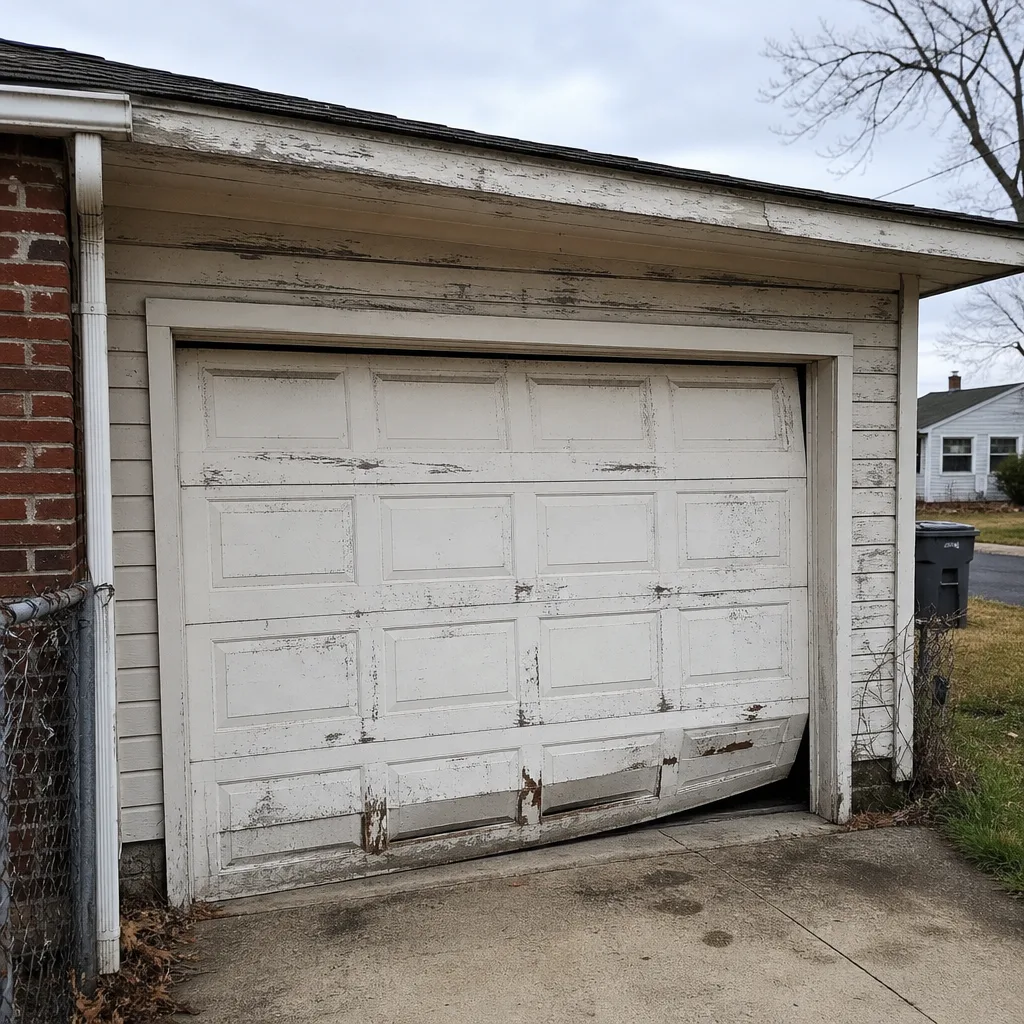 Before
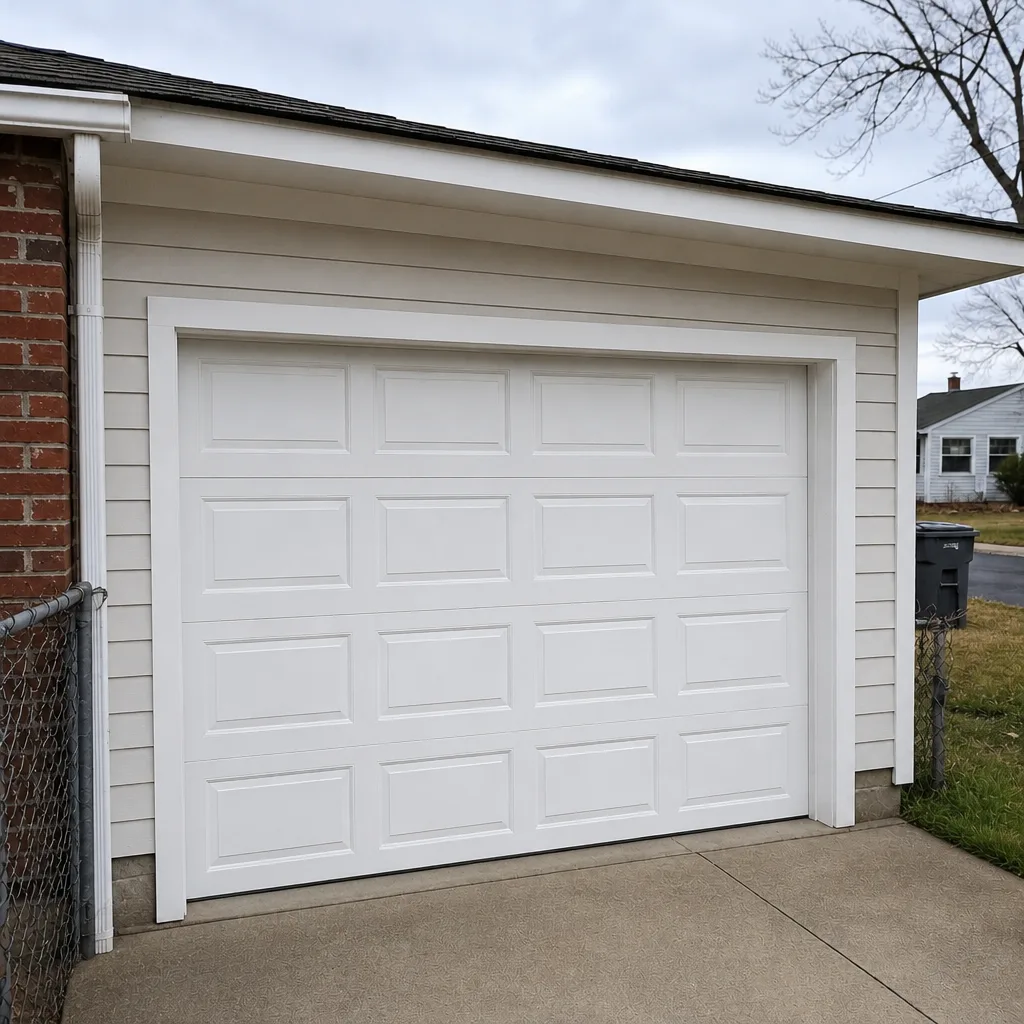 After
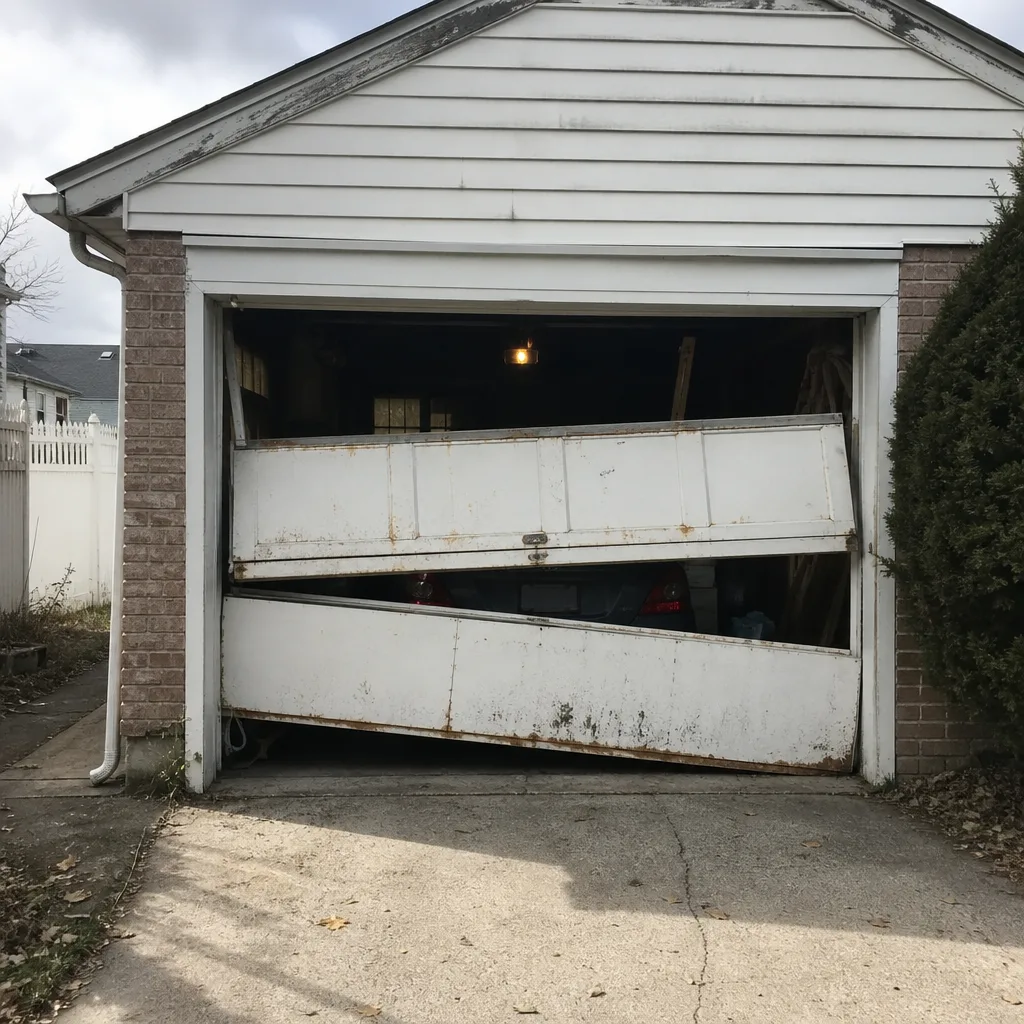 Before
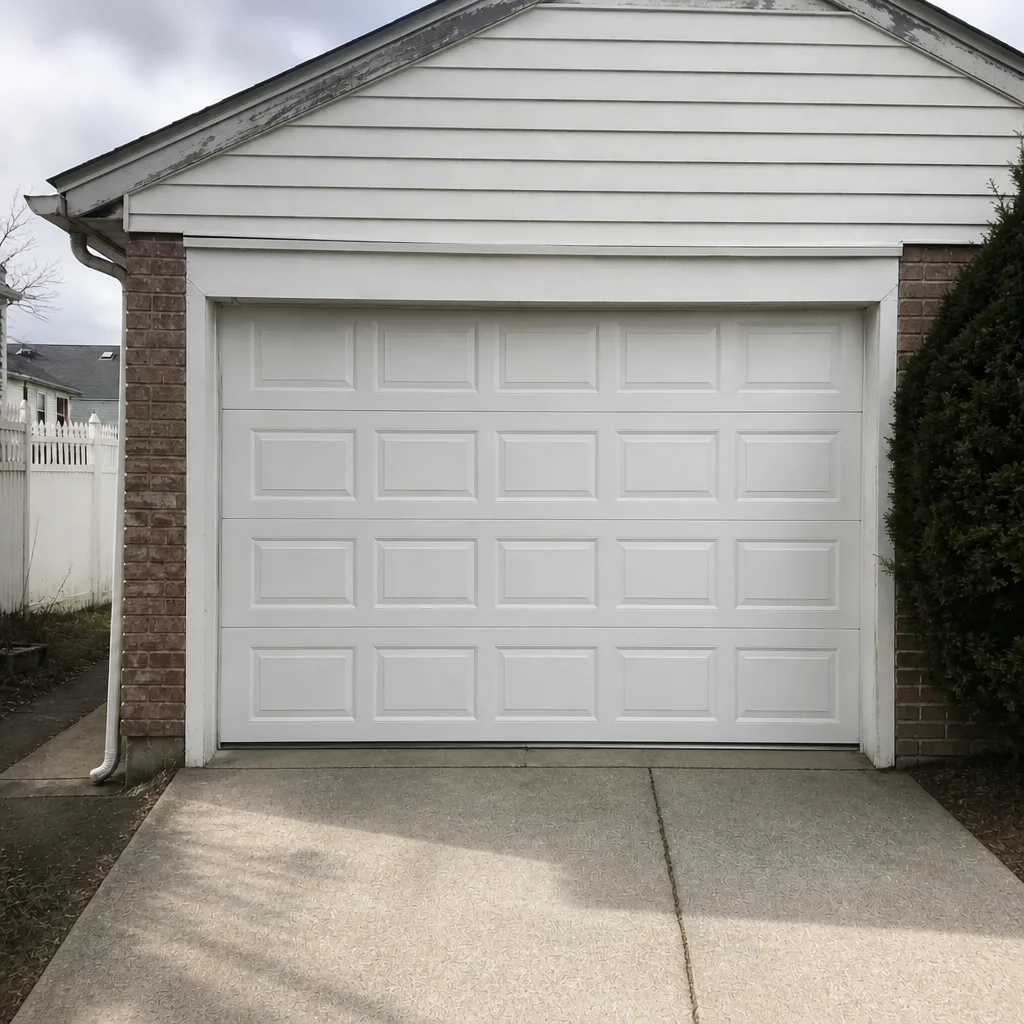 After
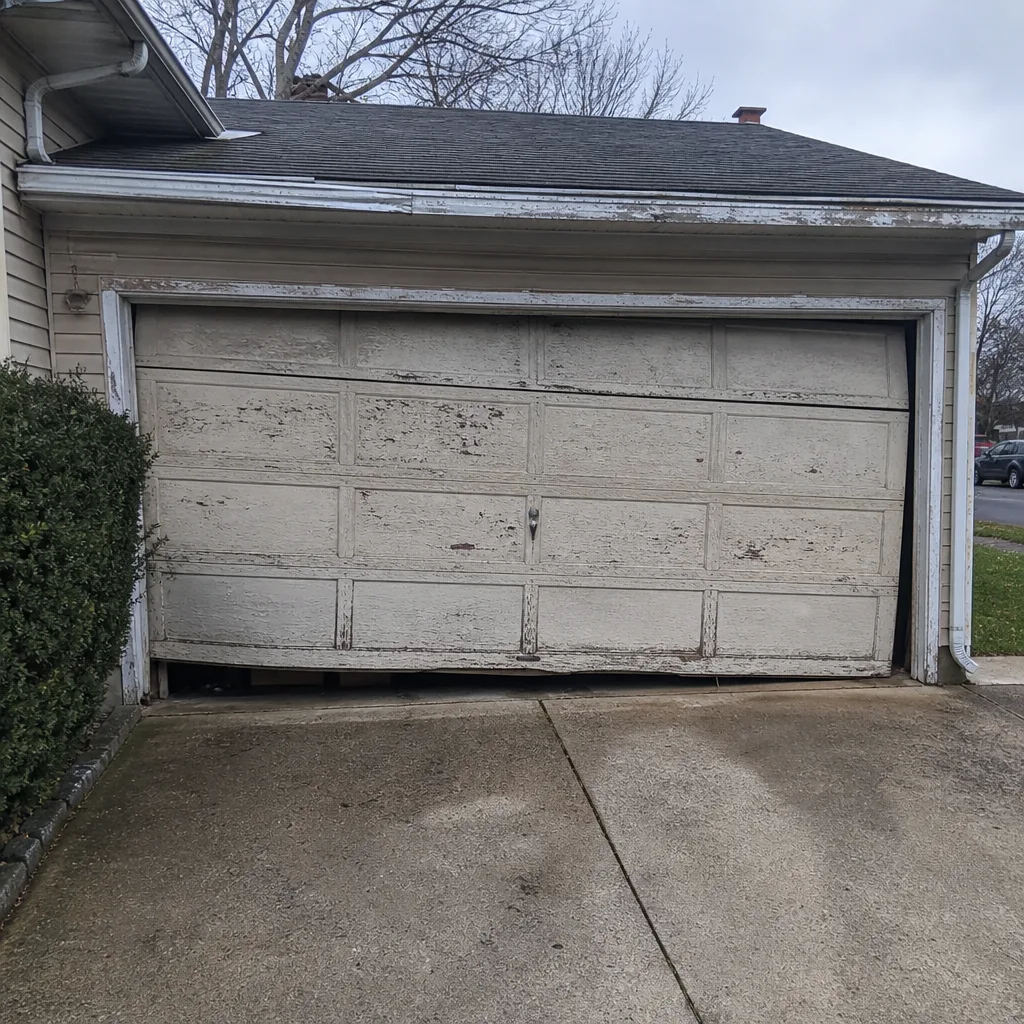 Before
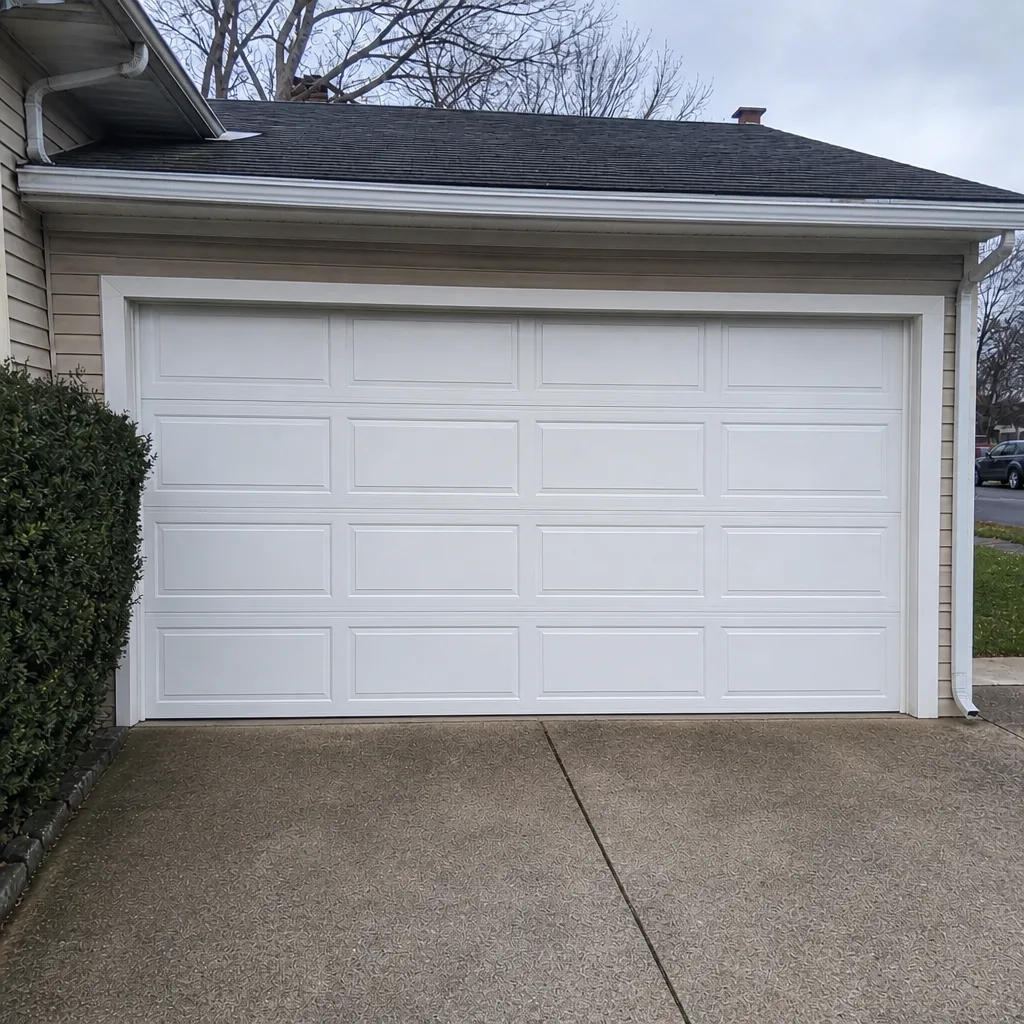 After
When to Call a Professional
Some maintenance tasks you can do yourself; others should go straight to a professional. Call a professional if the balance test shows any sag, if your door makes a loud bang or pops, if a cable is visibly frayed or kinked, if the bottom seal is cracked and lifted, or if the safety reverse fails. Also call if the door won’t open when you pull the release cord, if the opener strains or runs but doesn’t lift, or if you see a gap in a torsion spring coil. When your door won’t move, we move fast: Garage Door Repair Levittown Pros provides emergency garage door service for time-sensitive failures that block a vehicle or compromise home security. We offer free estimates in Levittown, and a written quote is the price before any work begins. Call (877) 792-5882 for an exact quote.
Frequently Asked Questions
Once a year for a professional deep service, with a monthly DIY check and a seasonal pass in spring and fall. The annual service clears the door for the year and catches spring and cable wear, while the monthly and seasonal tasks handle rollers, hinges, and the bottom seal. In Levittown, schedule the deep service in late fall so the door is ready for winter. Call (877) 792-5882 for an exact quote.
The balance test is the single most useful maintenance check you can do. Close the door, pull the manual release cord, lift the door to waist height, and let go. If the door stays put, the springs are healthy. If it sags or drops, the springs have lost tension and need professional attention. It takes about ten seconds and catches spring problems before they snap. Call (877) 792-5882 if yours sags.
No. WD-40 is a solvent, not a lubricant, and it strips the factory grease from rollers and hinges. Use a silicone spray or a dedicated garage door lubricant on rollers, hinges, and spring coils. Wipe the tracks clean and leave them dry. The right product makes the parts last longer; the wrong one accelerates wear. Call (877) 792-5882 if you’re not sure what your door needs.
Rollers last about 5 to 7 years and cables about 8 to 10 years. Nylon rollers last toward the 7-year end; steel rollers wear faster. Cables fray under tension and should be replaced on schedule before they snap. Budgeting for these windows lets you replace parts before they fail. Call (877) 792-5882 for an exact quote on replacement.
Freeze-thaw cycles are the cause. Water gets between the seal and the floor, freezes, expands, and works the seal loose. Over a winter or two, a snug seal becomes cracked and lifted. Check the seal each fall and replace it when it’s worn, usually every 3 to 5 years here. Call (877) 792-5882 for a quote.
Yes, spring repair is typically handled the same day when the call comes in during our usual service window. Spring repair is a specialized job and the most dangerous component in the door; we handle it safely. Same-day service is available for urgent spring failures, and emergency service covers doors stuck open or blocking a vehicle. Call (877) 792-5882 for an exact quote.
The Bottom Line
A garage door doesn’t need a vague annual tune-up. It needs a schedule that respects each part’s timeline: monthly balance checks and visual inspection, seasonal lubrication and seal checks, and an annual deep service for springs and cables. In Levittown, pay special attention to the bottom seal in fall (freeze-thaw cycles) and door alignment in summer (humidity). Replace rollers at 5 to 7 years, cables at 8 to 10 years, and springs before they reach their cycle limit. The point of all this is simple: a five-minute monthly check and an annual service keep the door working and keep emergency calls out of your week. If anything on the list is beyond what you want to do yourself, that’s what we’re here for.
Get a Maintenance Check or Repair
Garage Door Repair Levittown Pros handles garage door repair, garage door opener repair, garage door spring repair, and full new door installation, all under one company so you’re never handed off to a second contractor for a bigger job. Our technicians have up to 9 years of experience and work on your brand, including LiftMaster, Chamberlain, Genie, Clopay, Amarr, Wayne Dalton, Craftsman, and Raynor systems. We offer free estimates and handle urgent failures with emergency garage door service when your door won’t move. Call (877) 792-5882 today for a free estimate and a written quote before any work starts.
Written by the team at Garage Door Repair Levittown Pros.