Last updated November 23, 2026
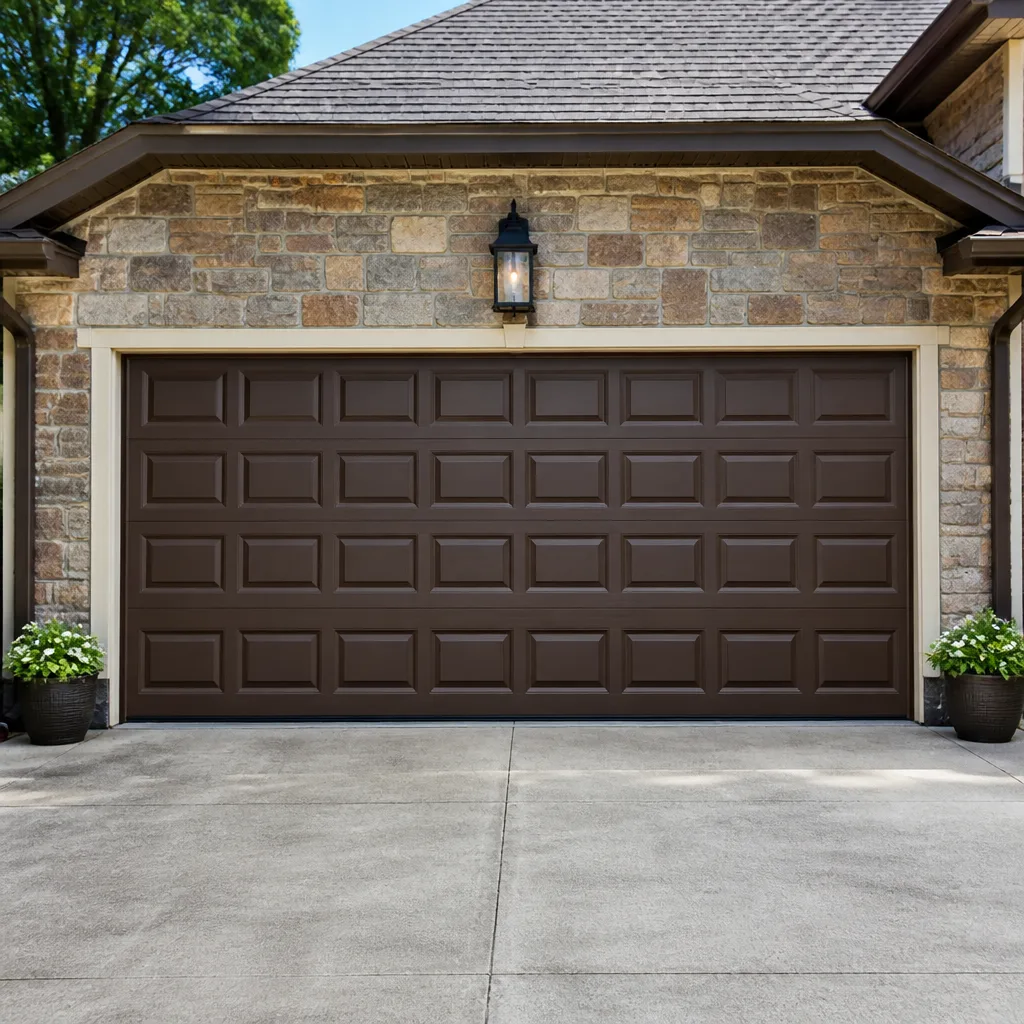 Raised-panel steel
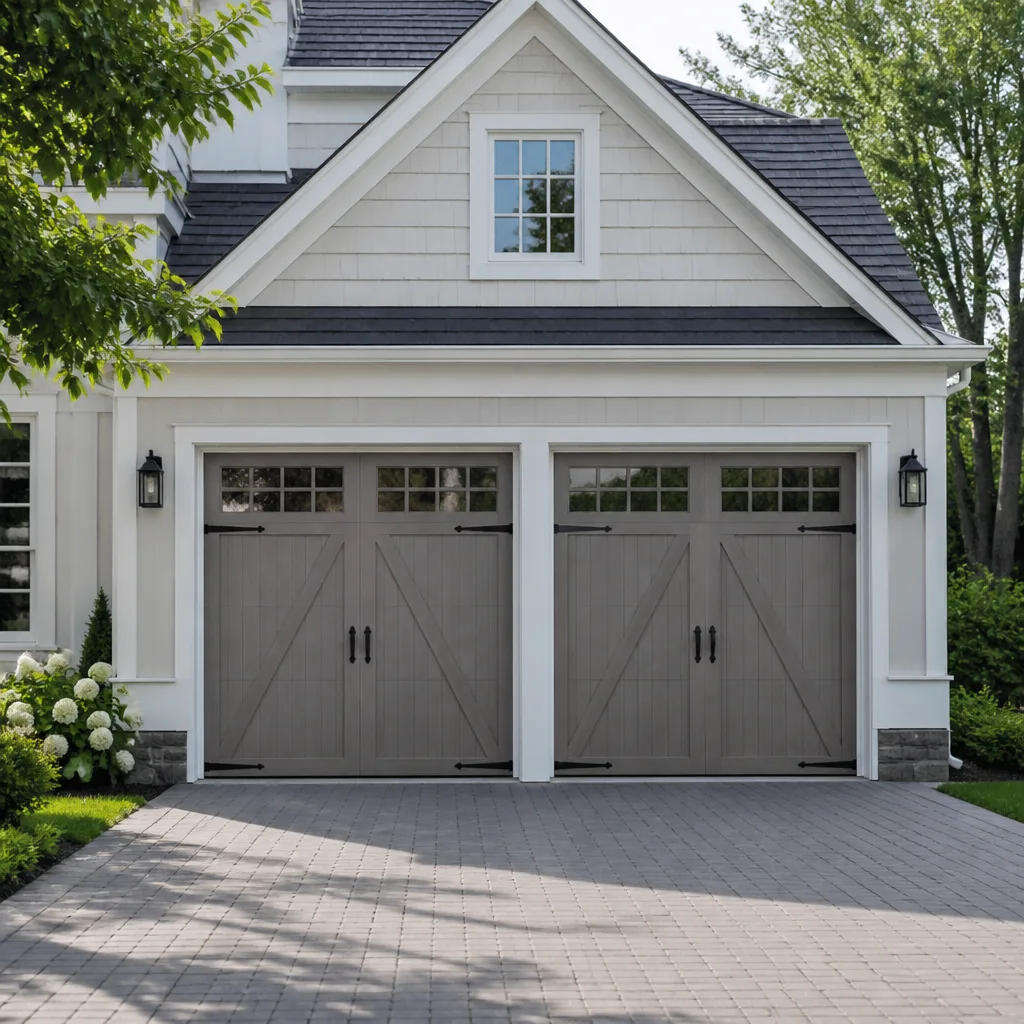 Carriage house
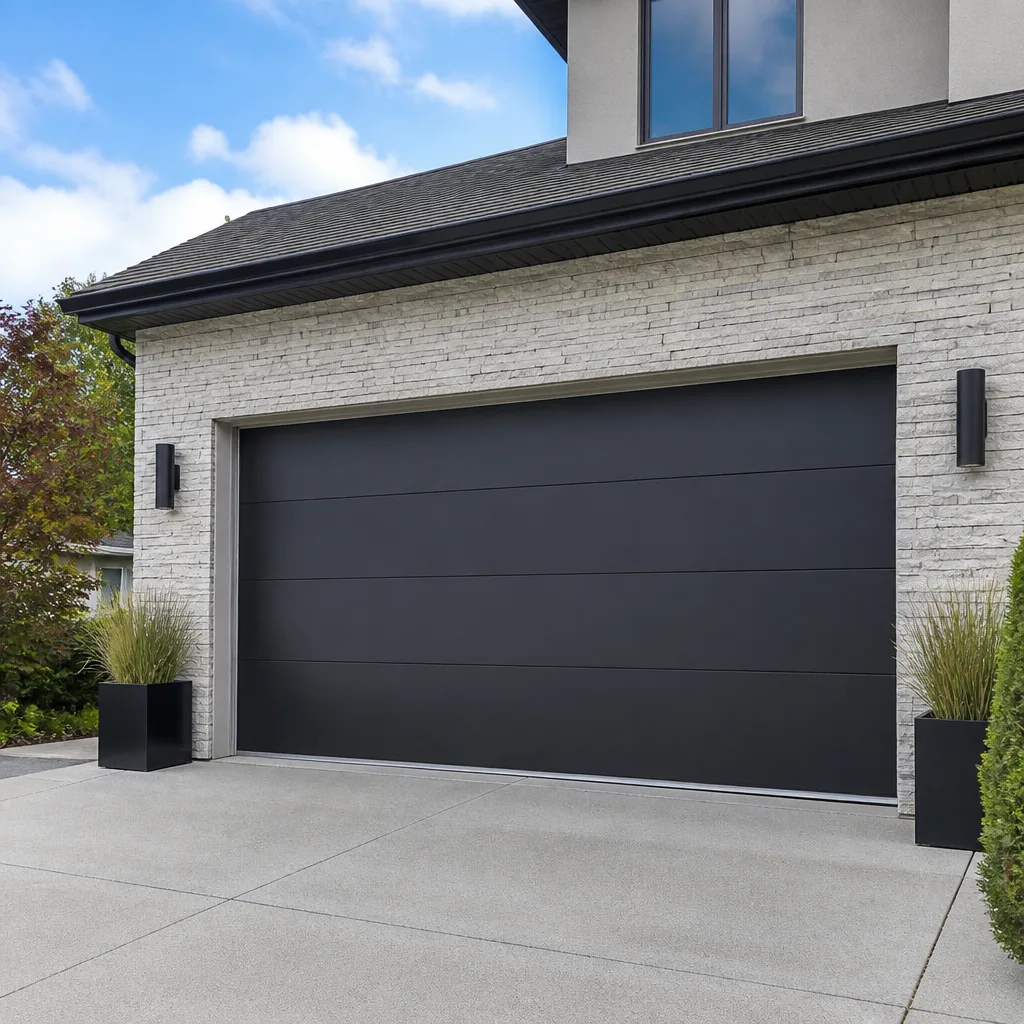 Modern flush
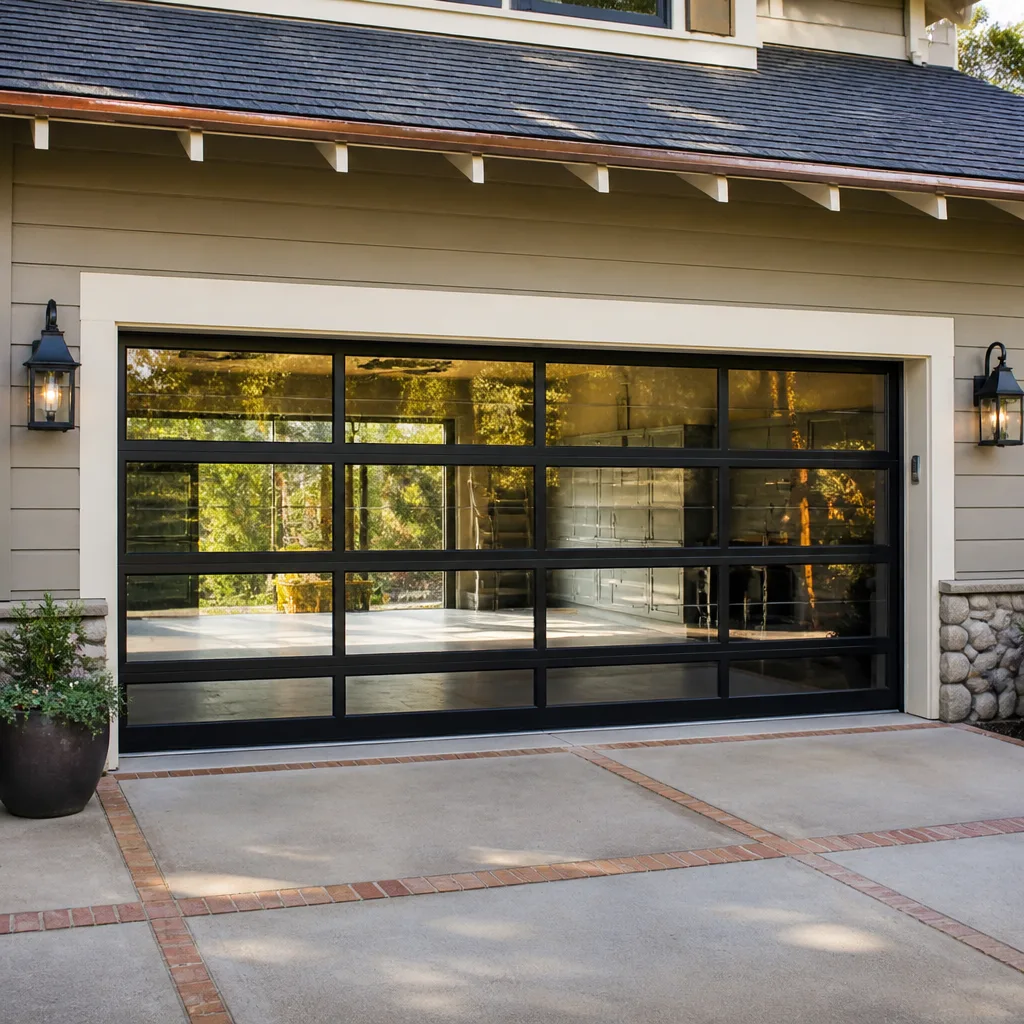 Full-view glass
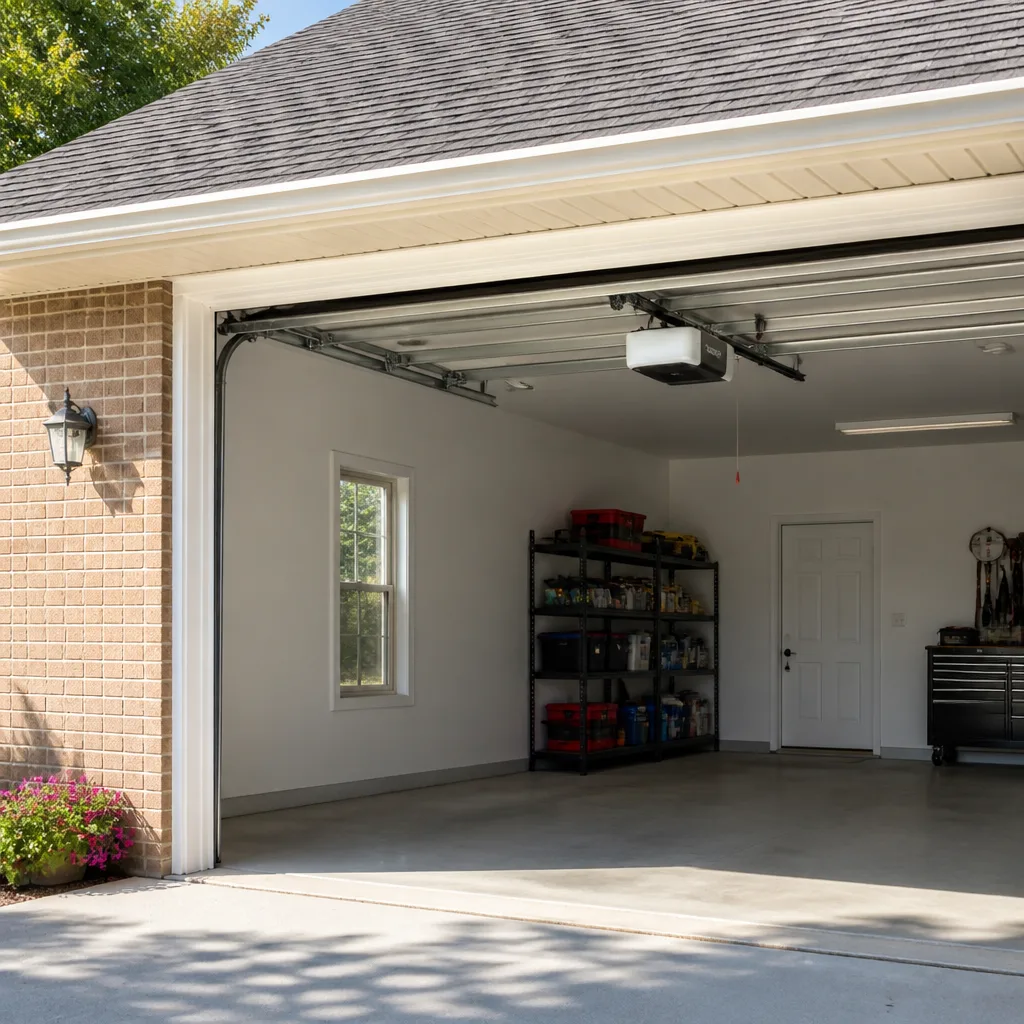 LiftMaster openers
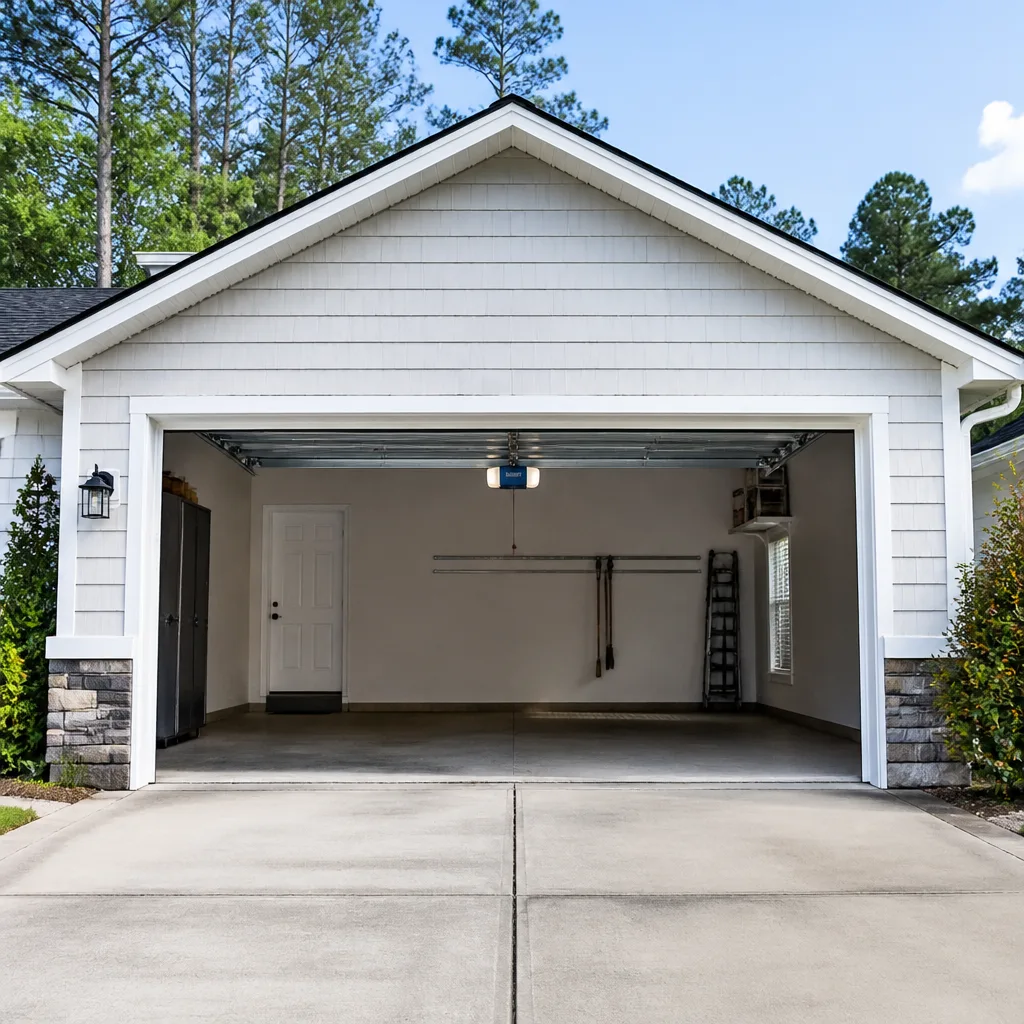 Chamberlain openers
Full 25-point door and opener safety check with every visit - springs, cables, rollers, tracks, and your LiftMaster or Chamberlain opener included
You get a price before we start. It does not change when the pro arrives.
Get your free estimateChoosing the Right Garage Door Brand: A Buyer’s Guide for Levittown
Clopay is the most-installed garage door brand in Levittown, and not because it wins every comparison. It’s what the big-box stores stock, so it’s what most homeowners see first. What those shoppers don’t learn until they’re staring at dented panels after three Long Island winters is that “Clopay” isn’t one door. It’s a catalog that runs from thin 27-gauge steel sold to meet a builder’s budget to heavy 24-gauge panels with full insulation and a warranty measured in decades. The brand name on the box tells you almost nothing. The grade inside it tells you everything. This guide walks through what actually separates the brands available around Levittown, how insulation and steel gauge play out in our climate and housing stock, and how to match a door to an attached versus a detached garage.
Styles & brands we work with
- Raised-panel steel
- Carriage house
- Modern flush
- Full-view glass
- LiftMaster openers
- Chamberlain openers
Quick Answer
The right garage door brand for Levittown depends less on prestige than on three specs: panel steel gauge, insulation R-value, and the written warranty terms. Clopay, Wayne Dalton, and Amarr all offer solid residential lines, but the specific model matters far more than the logo. For an attached garage that shares a wall with living space, prioritize insulation and a tight seal. For a detached, unheated garage, spend your money on heavier steel and better hardware instead. Match the door to the structure first, then the brand.
Table of Contents
- Why Brand Matters Less Than You Think in Levittown
- Brand-by-Brand: Clopay, Wayne Dalton, Amarr, and Carriage House
- Why R-Value Matters Differently for Attached and Detached Garages
- Steel Gauge Reality Check: 24, 25, and 27 Gauge After Five Long Island Winters
- Opener Pairing: Which Door Brands Limit Your Opener Choices
- Matching Door Style to Levittown’s Architecture Without Overpaying
- A Step-by-Step Way to Choose Your Door
- Common Mistakes to Avoid
- When to Call a Professional
- Frequently Asked Questions
- The Bottom Line
Why Brand Matters Less Than You Think in Levittown
Homeowners searching for the best garage door brand in Levittown NY usually expect a ranking. One brand on top, the rest below. That’s not how the industry works. Every major manufacturer builds several tiers of door, and the gap between a builder-grade model and a premium model from the same brand is wider than the gap between two brands at the same tier. A well-specified Wayne Dalton will outperform a stripped-down Clopay every time, and the reverse is just as true.
What the brand name does tell you is what’s inside the walls. Each manufacturer has its own panel profiles, hinge patterns, and hardware standards. That’s why brand familiarity matters on the service side. Our technicians work across LiftMaster, Chamberlain, Genie, Clopay, Amarr, Wayne Dalton, Craftsman, and Raynor, so when we look at a Levittown door we already know its architecture. We know which hinges that model uses, how its panels interlock, and where the weak points show up first. That saves diagnostic time on a repair and prevents ordering the wrong part.
On the buying side, the lesson is simpler. Judge the door by its specs, not its badge. Levittown’s housing stock ranges from the original Cape Cods and ranches of the late 1940s and 1950s through later splits and colonials, and those structures put very different demands on a garage door. A door that’s ideal for one isn’t automatically right for the next. The next several sections break down what to compare.
What to compare before you compare brands
- Panel steel gauge – the thickness of the steel skin, which drives dent resistance
- Insulation R-value – how well the door resists heat transfer, if it’s insulated at all
- Hardware and hinge quality – what the door hangs on and how it wears
- Warranty terms – what’s covered, for how long, and what voids it
- Opener compatibility – whether the door’s hardware locks you into one opener brand
Get those five right and the brand decision mostly makes itself.
Brand-by-Brand: Clopay, Wayne Dalton, Amarr, and Carriage House
These are the door lines you’ll actually find through Levittown-area dealers and supply channels, plus the carriage-house style category that dominates upgrade conversations. Here’s how they differ in the ways that matter to a Long Island homeowner.
Clopay
Clopay’s residential range is broad, which is both its strength and its trap. The same brand that supplies builder-grade doors to big-box shelves also builds heavily insulated, premium-steel lines with long warranties. Panel gauge varies by series, from lighter steel on entry models to thicker 24-gauge on premium lines. Insulation options run from non-insulated to multi-layer construction with high R-values. If you’re comparing Clopay to Clopay, put the series numbers side by side, not the brand name.
Wayne Dalton
Wayne Dalton is well represented in Levittown because its lineup covers both budget-friendly steel doors and insulated models suited to attached garages. Its panel profiles include some proprietary hardware and track configurations, which is worth knowing before you plan an opener swap. The brand’s strength is value across tiers; the catch is that model-to-model differences in gauge and insulation are significant, so the spec sheet is your friend.
Amarr
Amarr builds a wide spread of steel doors and is a common choice for homeowners who want traditional raised-panel looks with better-than-builder construction. Its insulated lines are a reasonable fit for Levittown’s attached garages, and its hardware tends to be straightforward for service. As with the others, the specific series determines the gauge and R-value, so compare those numbers rather than assuming the brand’s reputation covers every model.
Carriage House Styles
“Carriage house” isn’t a brand so much as a look: stamped steel panels that mimic swing-out wood doors, often with decorative hardware. Every major manufacturer offers a version, and the aesthetic suits certain Levittown homes beautifully. It also commands a premium for appearance rather than performance. If the structure and insulation needs come first in your budget, a carriage-house face on a well-insulated door is fine; a carriage-house face on a thin, non-insulated door is money spent in the wrong place.
What the comparison comes down to
Across all four, the buying decision is the same three-question test: what gauge is the steel, what’s the R-value, and what does the warranty actually cover? Brand loyalty should follow those answers, not lead them.
Why R-Value Matters Differently for Attached and Detached Garages
R-value measures a door’s resistance to heat flow. Higher is better insulated. How much that matters in Levittown depends entirely on what’s on the other side of the garage wall.
Attached garages
An attached garage shares at least one wall with living space. That wall is where the difference shows up. A poorly insulated door lets cold air press against that shared wall all winter and heat soak through it all summer, which puts extra load on the rooms behind it. An insulated door with a decent R-value and a good perimeter seal reduces that transfer and makes the shared wall behave more like an interior wall. If your garage sits under or beside bedrooms, or you use it as a mudroom or laundry pass-through, insulation is the spec to protect in your budget.
Detached garages
A detached garage in Levittown isn’t temperature-controlled living space. Nobody heats it to house temperature, so a high R-value buys you less than it does on an attached garage. What a detached garage needs is a door that holds up: heavier steel, better hardware, and a seal that keeps out rain, snowmelt, and the grit that comes with Long Island winters. You can still choose an insulated door for comfort while you’re working out there or to reduce condensation, but the priority order flips. Spend on durability first and insulation second.
How to decide
- Is the garage attached to the house? If yes, insulation moves up your list.
- Does the shared wall border a bedroom, living room, or frequently used space? If yes, prioritize R-value and a tight seal.
- Is the garage detached and unheated? If yes, prioritize gauge, hardware, and weather sealing.
- Do you work in the garage in cold months? If yes, add insulation back in regardless.
That sequence keeps you from overpaying for insulation a detached garage can’t use, or underpaying on an attached garage where it directly affects the house.
Steel Gauge Reality Check: 24, 25, and 27 Gauge After Five Long Island Winters
Steel gauge is counterintuitive: the lower the number, the thicker the steel. A 24-gauge panel is heavier than a 25-gauge panel, which is heavier than a 27-gauge panel. This is the single most overlooked spec in garage door shopping, and it’s the one that decides how a door looks after several seasons of Levittown weather.
What each gauge means in practice
- 27-gauge – the thinnest common residential skin. Light, prone to dents and dings from bicycles, lawn equipment, and stray impacts. It can develop a wavy look as panels flex and settle over winters.
- 25-gauge – a middle ground. More resistant than 27-gauge but still susceptible to dents in high-traffic driveways.
- 24-gauge – the heaviest common residential steel. Noticeably more resistant to impact and holds its flat, even profile longer through repeated freeze-thaw cycles.
Why Long Island winters stress a door
Levittown sees real winter: snow, ice, road salt tracked onto driveways, and repeated freeze-thaw cycles that work on every seam and hinge. A door expands and contracts with temperature swings, and lighter steel moves more. Over several winters, thin panels can develop ripples along the panel edges and dents that never quite flatten back. Thicker steel resists that. It also hangs heavier, which is why the springs and hardware have to be matched to the door’s weight, something a proper installation accounts for.
The bottom line on gauge
If your driveway sees kids, bicycles, or a busy household, 24-gauge is the safer long-term buy. If the door faces a quiet, low-traffic spot and budget is the binding constraint, 25-gauge is a reasonable compromise. Treat 27-gauge builder-grade as a starting point you’ll likely replace sooner. This is also where brand comparisons fall apart: two doors from the same brand can sit at opposite ends of this gauge range.
Opener Pairing: Which Door Brands Limit Your Opener Choices
Some garage doors are universally compatible with any opener. Others carry proprietary hardware that narrows your options. Knowing which is which before you buy saves you from discovering it after the door is on.
Universally compatible
Most standard residential steel doors from Clopay, Amarr, and similar lines work with any major opener because their hardware is generic: standard hinges, rollers, and a torsion or extension spring setup that doesn’t care what brand pulls the door. Pair a door like this with whatever opener you prefer, from LiftMaster to Chamberlain to Genie. When we handle garage door opener repair, this is the easy case: the door and opener are independent systems.
Proprietary hardware
Some Wayne Dalton models use proprietary track and hardware designs, including models built for specific opener integrations. That doesn’t mean you can’t pair them, but it does mean an opener swap or a repair may need the matching parts rather than an off-the-shelf replacement. If you’re planning a new door and an opener at the same time, decide the opener first and confirm compatibility, or choose a door with generic hardware and keep your options open.
Smart and connectivity components
Modern openers add another layer: Wi-Fi and app connectivity, battery backup, and safety sensors. Those live on the opener, not the door, so they don’t constrain your door choice. But they do mean that when something stops working, the fix might be in the opener’s electronics rather than the door’s mechanics. Our opener repair covers both the mechanical drive and the smart components across the leading opener brands.
How to check compatibility before you buy
- Ask the dealer for the door’s hardware spec sheet, not just the style name.
- Note whether the track and hinges are standard or brand-specific.
- Confirm your intended opener’s compatibility with that hardware.
- If you’re keeping an existing opener, verify it can handle the new door’s weight and travel.
Getting this right up front avoids the awkward middle ground where the door is fine, the opener is fine, and they don’t quite work together.
Matching Door Style to Levittown’s Architecture Without Overpaying
Levittown’s original housing stock is Cape Cod and ranch, built in the late 1940s and 1950s, with later splits and colonials mixed in. The right door style respects that character without turning an upgrade into a costume.
What fits the original homes
For a Cape Cod or ranch, a clean raised-panel steel door in a traditional profile reads as native to the house. It’s what belongs there. A long panel or short panel design, in a color that matches the trim, keeps the front of the house balanced. These doors tend to be the most cost-effective per square foot because they use standard profiles and don’t require decorative hardware.
Where carriage-house style earns its keep
Carriage-house doors, with their stamped swing-door look and decorative handles and hinges, suit certain homes well and look out of place on others. On a Cape Cod with a modest single-bay garage, a full carriage-house facade can overwhelm the structure. On a larger colonial or a home with a wide, prominent garage opening, it can look intentional and attractive. The honest test: does the style repeat something already on the house, like window grids or trim detailing? If yes, it fits. If it’s introducing a new vocabulary, it may look added-on.
Spend on structure first
Carriage-house aesthetics add cost for appearance, not performance. If your budget is fixed, put the money into 24-gauge steel and real insulation first, then choose the face style second. A well-built traditional door will look better after several Levittown winters than a thin carriage-house door that’s already dented and wavy. Style is a finishing decision; structure is the foundation.
Matching the door to the house
- Original Cape Cod or ranch, single bay: traditional raised panel, standard profile, trim-matched color
- Colonial or larger footprint, wide opening: raised panel or a restrained carriage-house face
- Split-level or multi-bay: consistent profile across bays for visual continuity
- Any home where the garage dominates the facade: spend on structure, keep the face simple
A Step-by-Step Way to Choose Your Door
Here’s a sequence that keeps the decision grounded in what Levittown homes actually need. Work through it in order and the brand question resolves itself.
- Identify the structure. Note whether the garage is attached or detached, and what borders the shared wall. This sets your insulation priority.
- Set a structural budget first. Decide what you’ll spend on steel gauge and hardware before you look at styles. Aim for 24-gauge on a busy driveway.
- Choose the R-value by structure. Attached garage with living space behind the wall: prioritize insulation. Detached and unheated: prioritize durability and sealing.
- Check opener compatibility. Confirm whether the door’s hardware is standard or proprietary, and whether you’re keeping or replacing your opener.
- Match the style to the house. Pick a profile that repeats something already on the home. Resist carriage-house unless it suits the structure.
- Read the warranty terms. Compare what’s covered and for how long across the models you’re considering, not just the brand names.
- Get a written estimate. Have a professional confirm the door’s weight, spring match, and installation requirements before you commit.
Steps three through six are where most buyers go wrong. They pick a style, then discover the insulation or gauge doesn’t match the structure, then either overpay or settle. Run the sequence the other way and the trade-offs are visible before you spend.
Where our service fits
We handle the full scope, from garage door repair through garage door spring repair and complete new door installation. That matters for a buying decision because the company that installs your door is the one that services it later. No handoffs, no second contractor for the bigger job. Diagnosis first, repair or specification second.
Common Mistakes to Avoid
- Buying by brand name instead of model specs. Two doors from the same manufacturer can differ wildly in gauge and insulation. Compare the series numbers, not the logo.
- Skipping the gauge question entirely. If you don’t ask for the steel gauge, you may get 27-gauge builder steel and discover it after a few winters of dents and ripples.
- Paying for insulation on a detached, unheated garage. Insulation is money well spent on an attached garage and mostly cosmetic on a detached one. Match the spend to the structure.
- Choosing a carriage-house face before checking the structure’s needs. Style is the finishing decision. If it comes first, structural budget gets squeezed.
- Ignoring opener compatibility. Proprietary hardware on some models can constrain your opener choices. Confirm it before the door is ordered.
- Assuming a warranty covers what it doesn’t. Read the terms. A long warranty on the surface may exclude the parts that fail first. Ask specifically what’s covered.
- Letting a door get too heavy for its springs. Heavier 24-gauge doors need matched springs. An installer who doesn’t recalculate spring load when upgrading is setting you up for early failure.
Most of these mistakes share a root: deciding by appearance before deciding by structure. Flip the order and the rest falls into place.
When to Call a Professional
Some garage door problems are genuinely dangerous to touch. High-tension torsion springs and cables are under enough force to cause serious injury, and they fail without warning. Electrical work inside an opener or panel, and any gas line near the garage, should be handled by a trained professional. If your door is stuck open and the house is exposed, or the spring has snapped and the door won’t lift, that’s an urgent problem, not a weekend project. We handle emergency service for exactly those situations.
For a buying decision, a professional measure confirms the door’s weight, the spring match, and the installation requirements before you commit to a model. That’s a free estimate, and it prevents the expensive kind of surprise.
Garage Door Repair Levittown Pros offers free estimates in Levittown. Call (877) 792-5882 and we’ll walk through your structure, your budget, and the brands that fit. Our technicians have up to 9 years of experience, and we work on your brand, whether that’s Clopay, Wayne Dalton, Amarr, or another line.
Frequently Asked Questions
There is no single best brand; the right choice depends on steel gauge, insulation R-value, and warranty terms matched to your specific structure. Clopay, Wayne Dalton, and Amarr all build solid residential lines, but the model within each brand matters more than the badge. For an attached garage, prioritize insulation; for a detached one, prioritize heavier steel and better hardware.
Aim for 24-gauge if your driveway sees regular traffic from bicycles, lawn equipment, or a busy household. The lower the gauge number, the thicker the steel, and 24-gauge resists dents and the wavy look that thin panels develop over repeated freeze-thaw cycles. 25-gauge is a reasonable compromise if budget is tight.
Less than it does for an attached garage, because a detached garage isn’t heated to house temperature. Insulation still helps with condensation and comfort while you’re working out there, but for a detached garage spend your budget on steel gauge, hardware, and weather sealing first. Save the high R-value for an attached garage where the shared wall borders living space.
It can. Most standard steel doors from Clopay, Amarr, and similar lines are universally compatible with any major opener, but some models use proprietary track and hardware that can narrow your choices. Confirm the door’s hardware spec before you buy, especially if you’re keeping an existing opener.
They’re worth it when the style repeats something already on the house, like window grids or trim detailing, and they can look out of place on a modest Cape Cod with a single-bay garage. Carriage-house faces add cost for appearance, not performance. Put structural budget into gauge and insulation first, then choose the face style.
Read specifically for what’s covered, for how long, and what voids it, rather than trusting a headline number. A long warranty on the door surface may exclude the parts that fail first, like hardware or springs. Ask the dealer to walk through the terms for the exact model you’re considering. For a real buyer’s guide to your options in Levittown, a professional estimate is the fastest way to confirm what fits.
The Bottom Line
Choosing a garage door brand for a Levittown home comes down to three specs, not a logo. Steel gauge decides how the door looks after several Long Island winters, R-value decides how much an attached garage affects the house, and warranty terms decide what you’re actually covered for. Clopay, Wayne Dalton, and Amarr all build good doors; the specific model within each brand is what matters. Match the door to the structure first: insulation for an attached garage, durability for a detached one. Then choose a style that belongs on the house, and confirm opener compatibility before you order.
Garage Door Repair Levittown Pros offers free estimates for Levittown homeowners. When your door won’t move, we move fast, and when you’re planning a new one, we’ll walk through the brands and specs with you. Call (877) 792-5882 for a free estimate and a written price before any work starts. We handle Garage Door Repair Levittown Pros services from a snapped spring to a complete new installation, with no call to a second company.
Written by the team at Garage Door Repair Levittown Pros.
See the difference
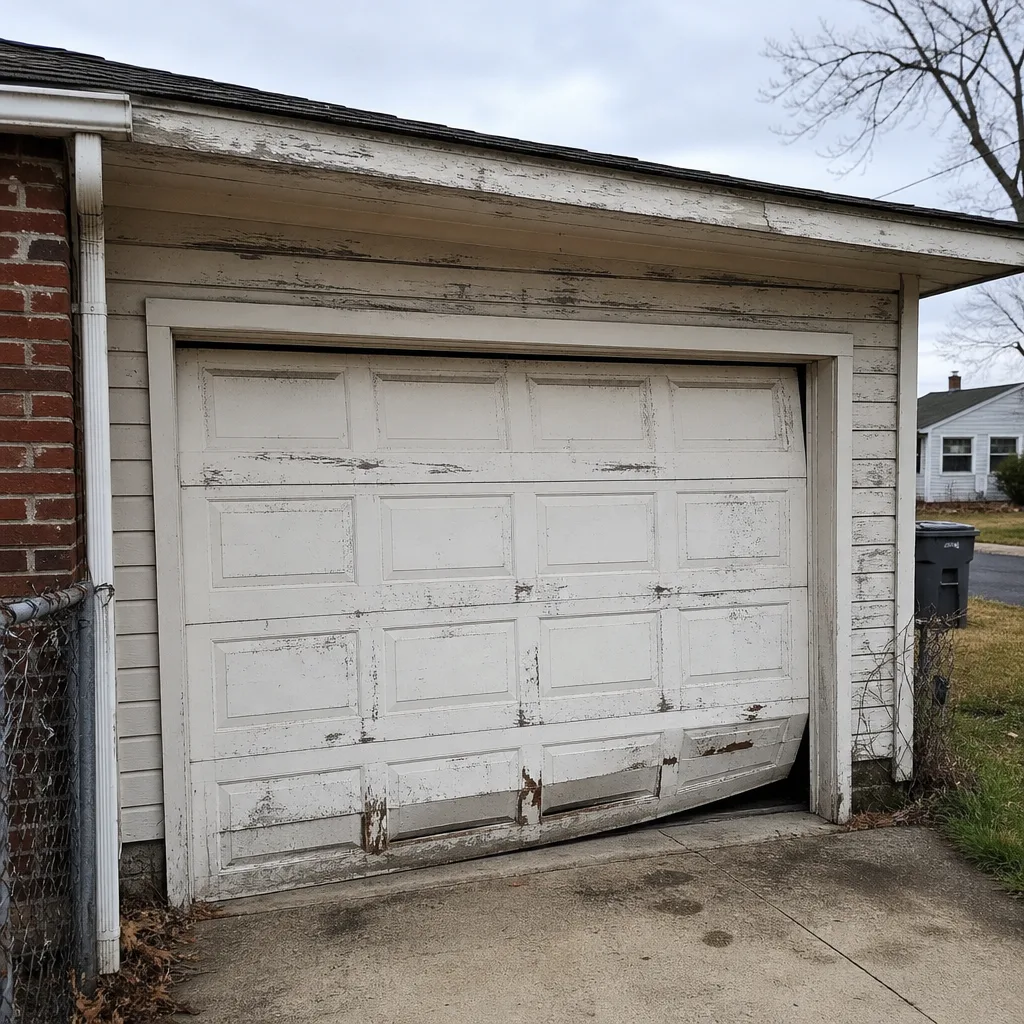 Before
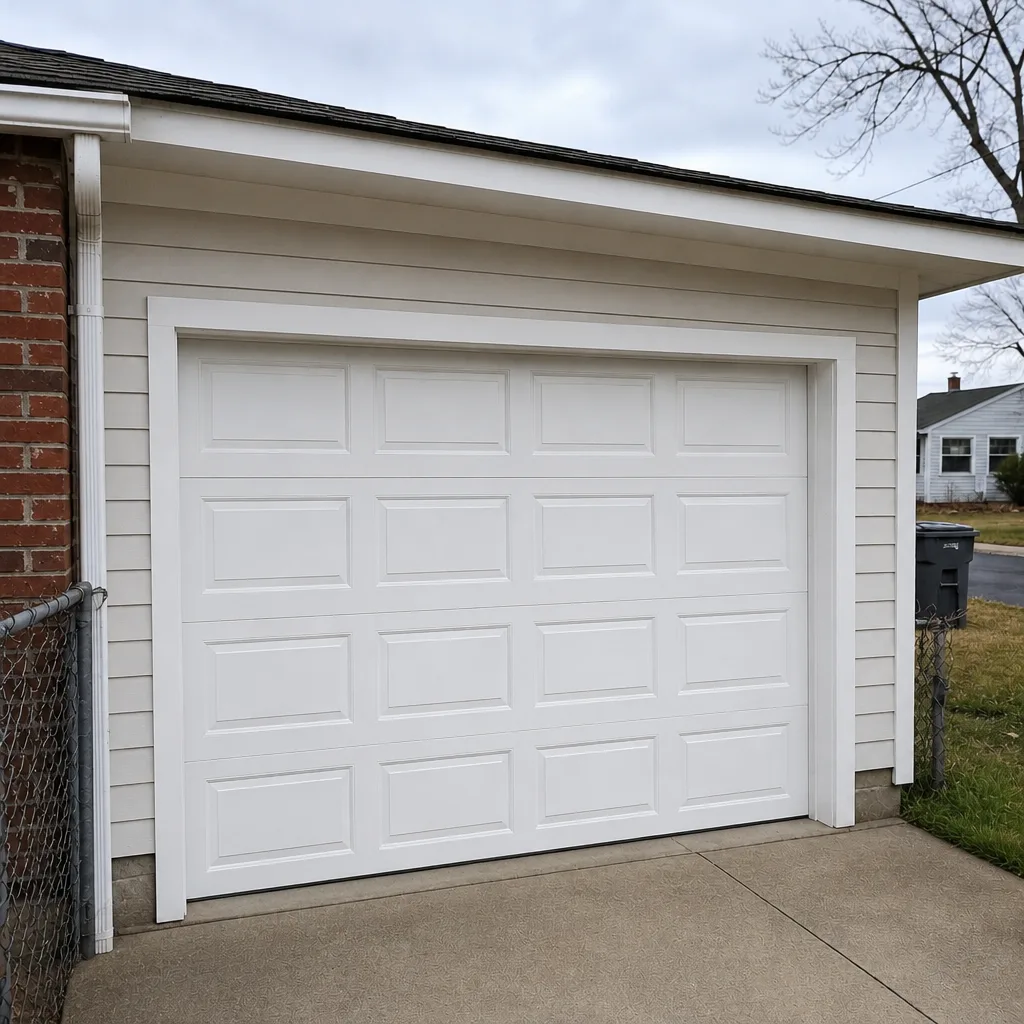 After
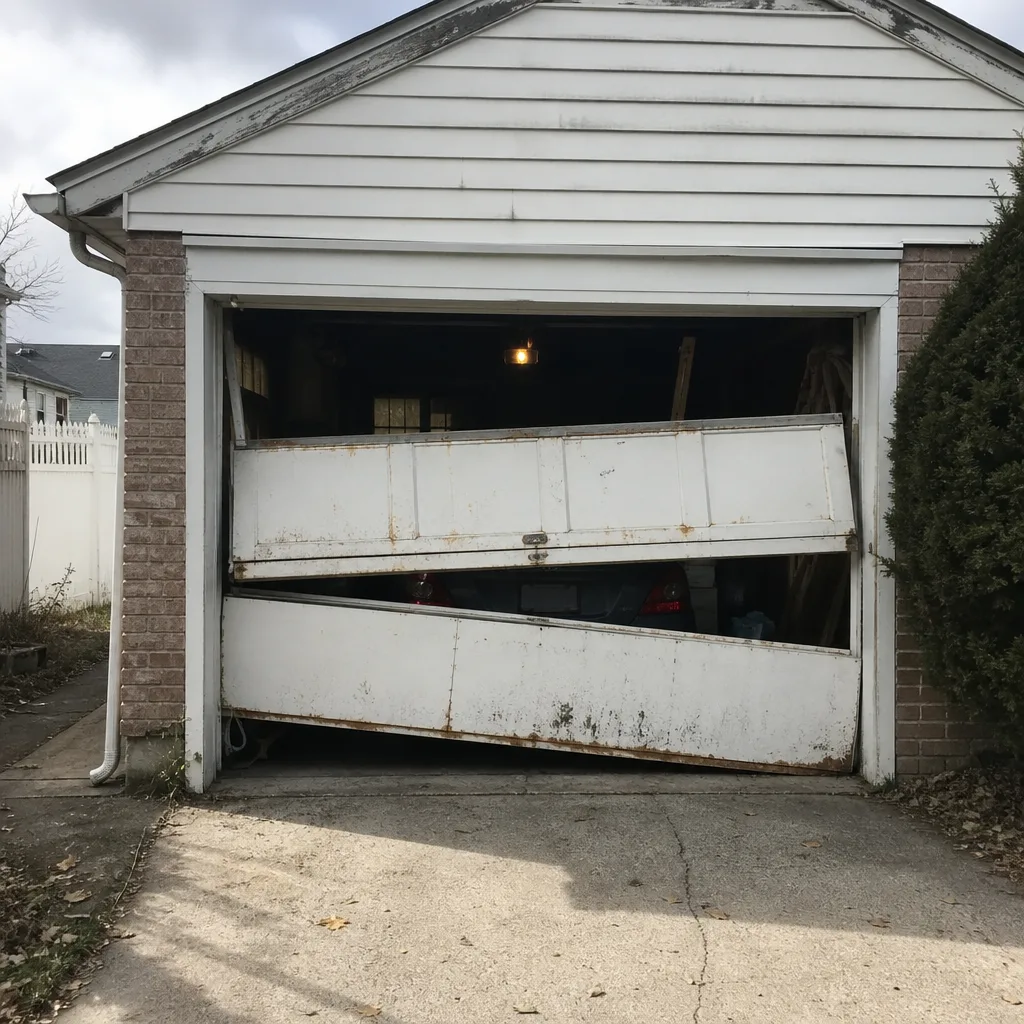 Before
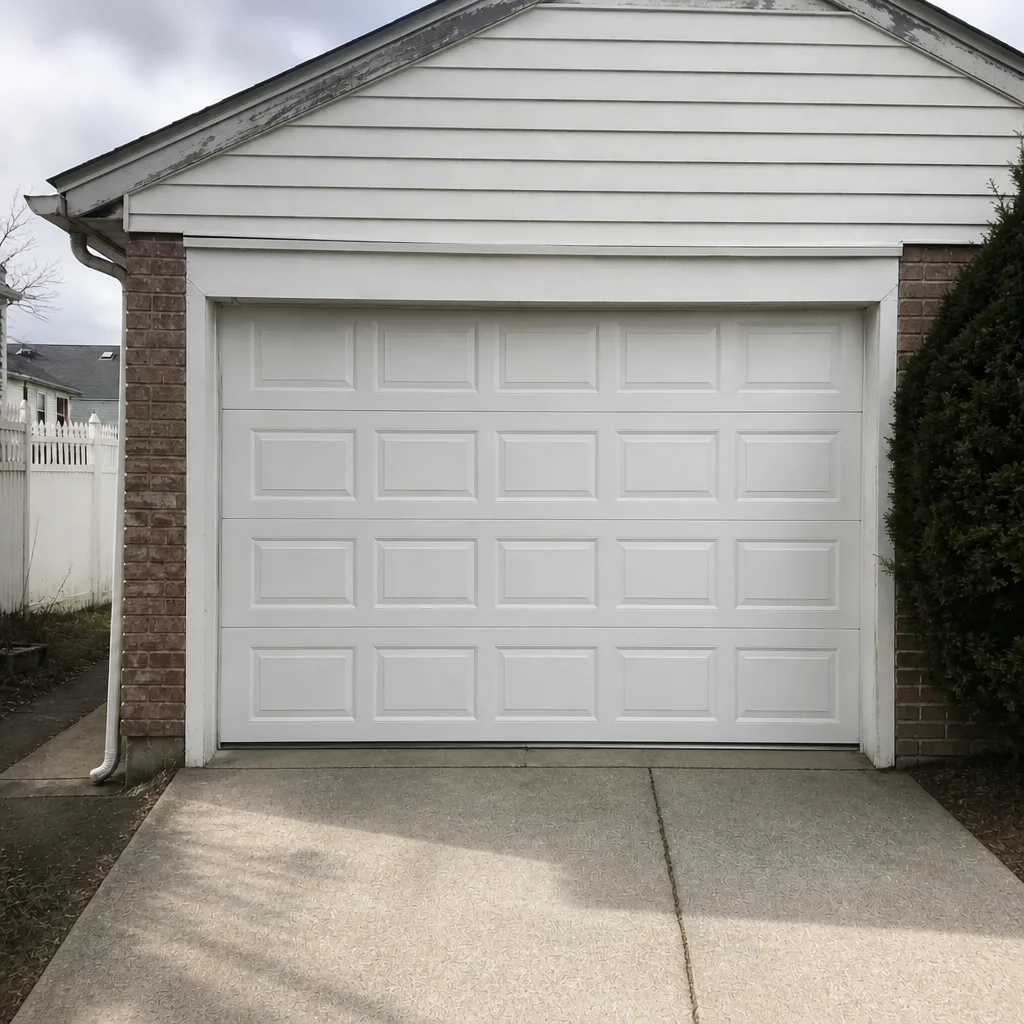 After
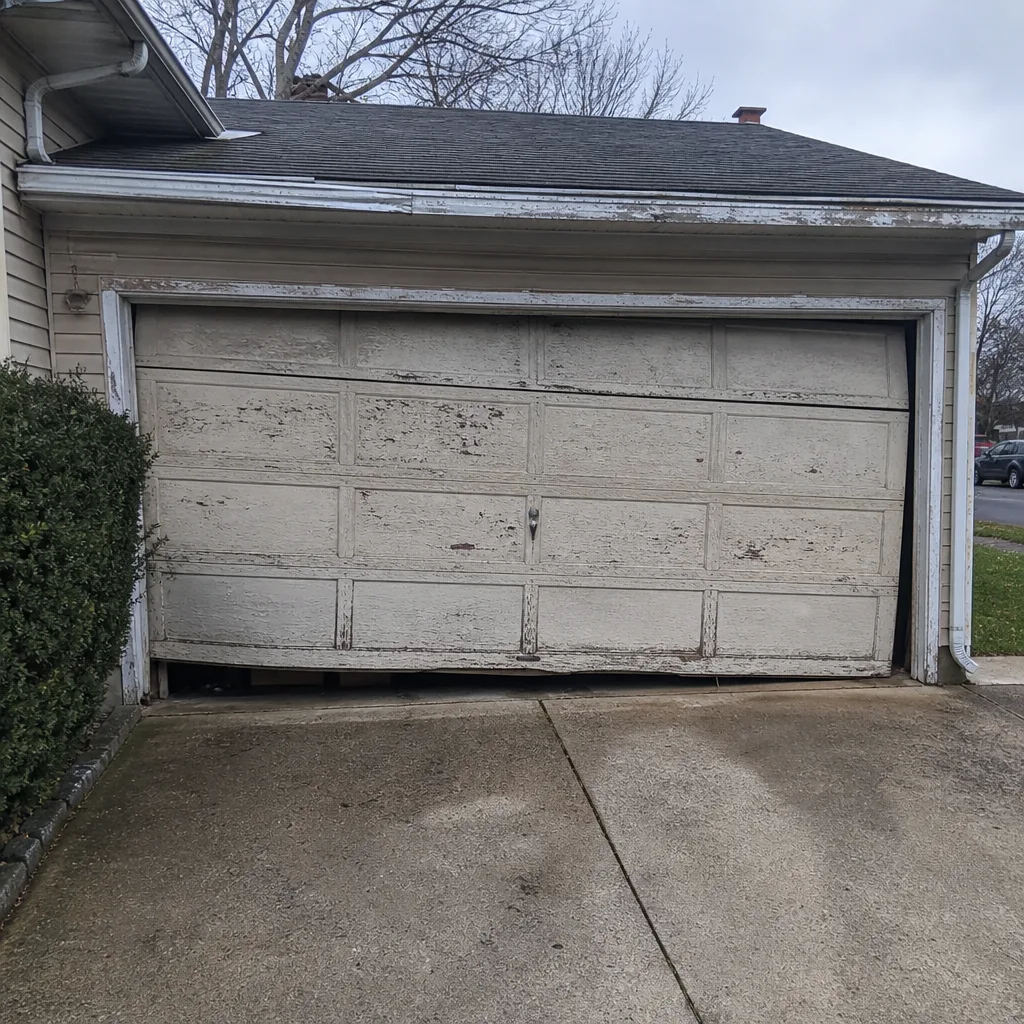 Before
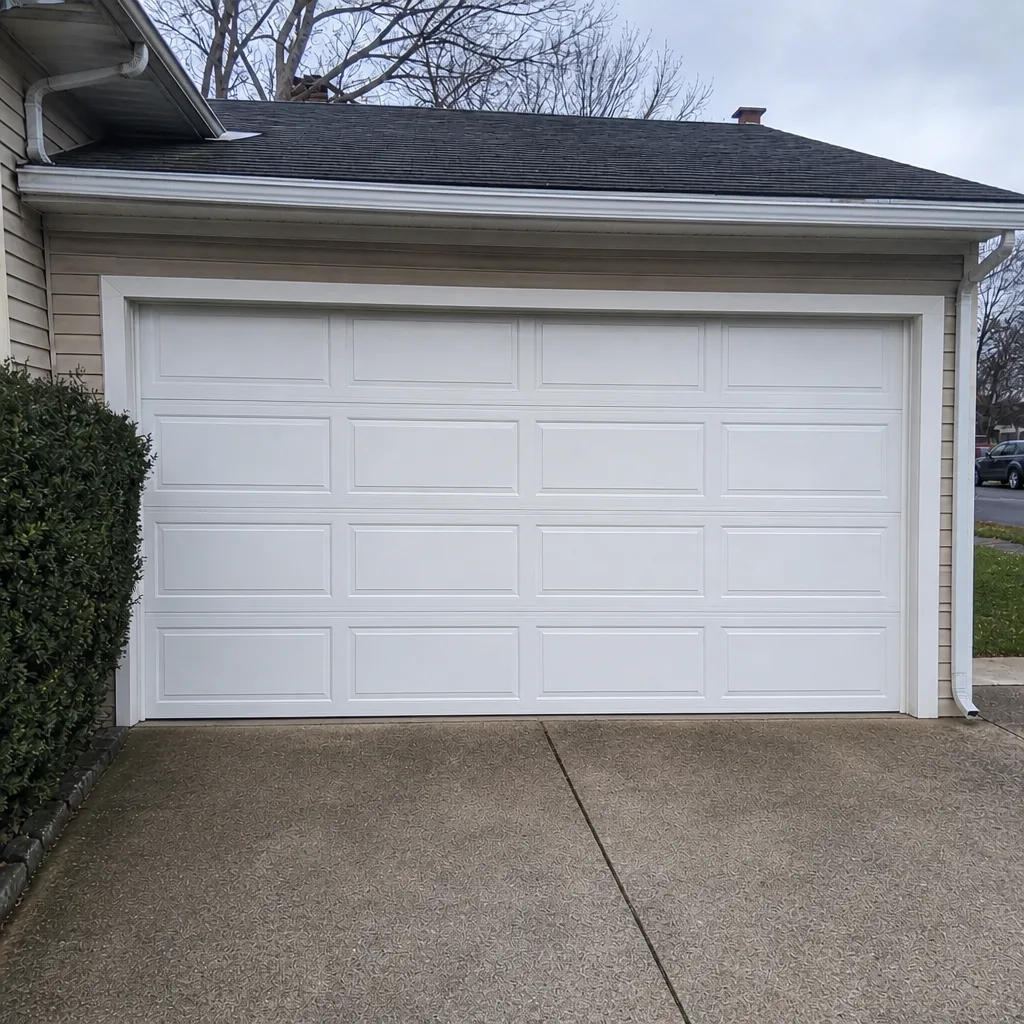 After