Last updated November 23, 2026
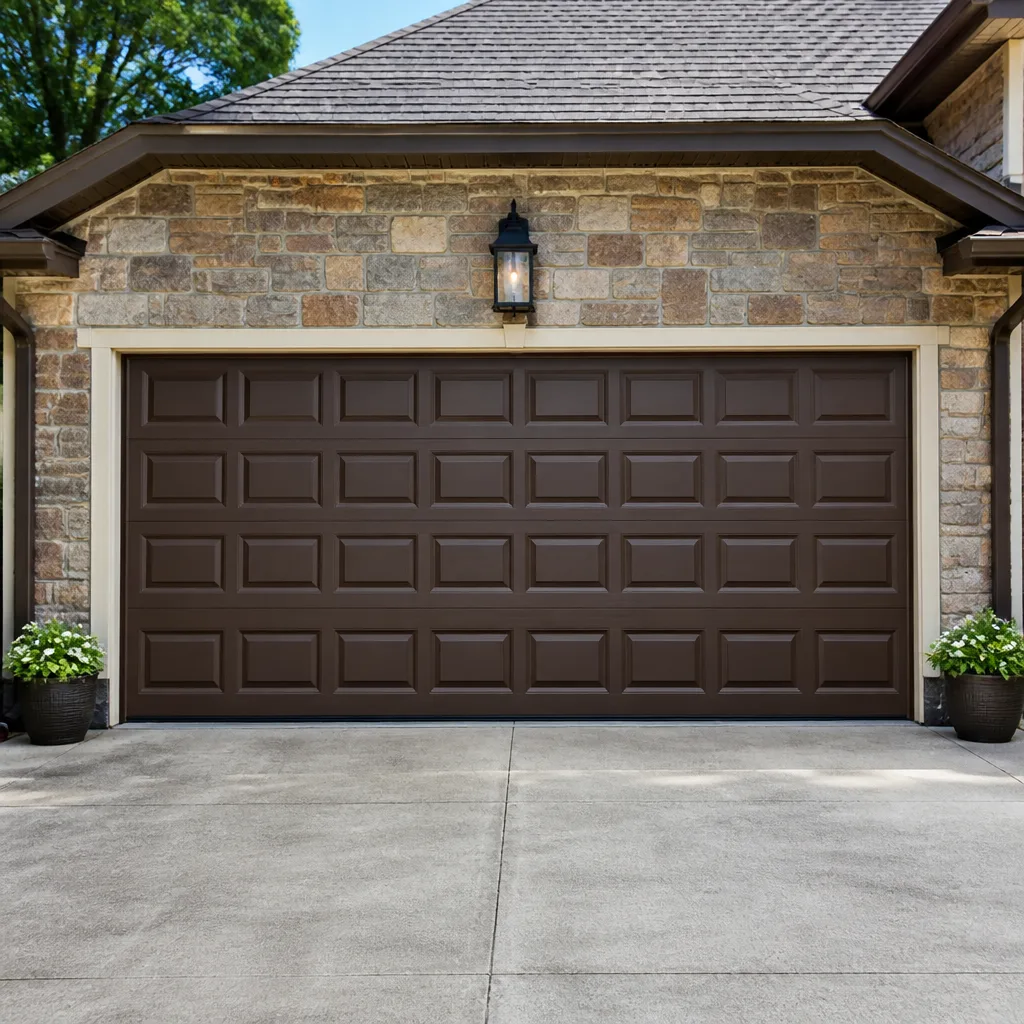 Raised-panel steel
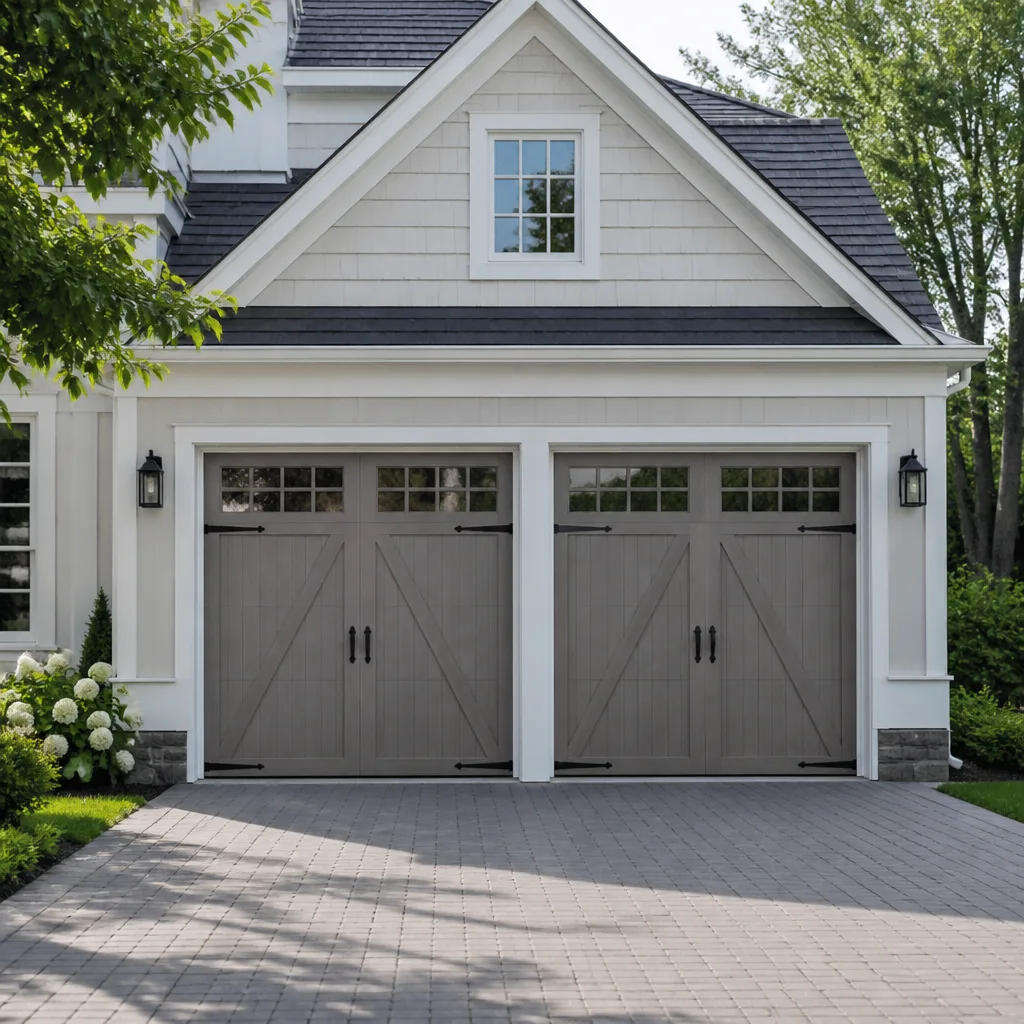 Carriage house
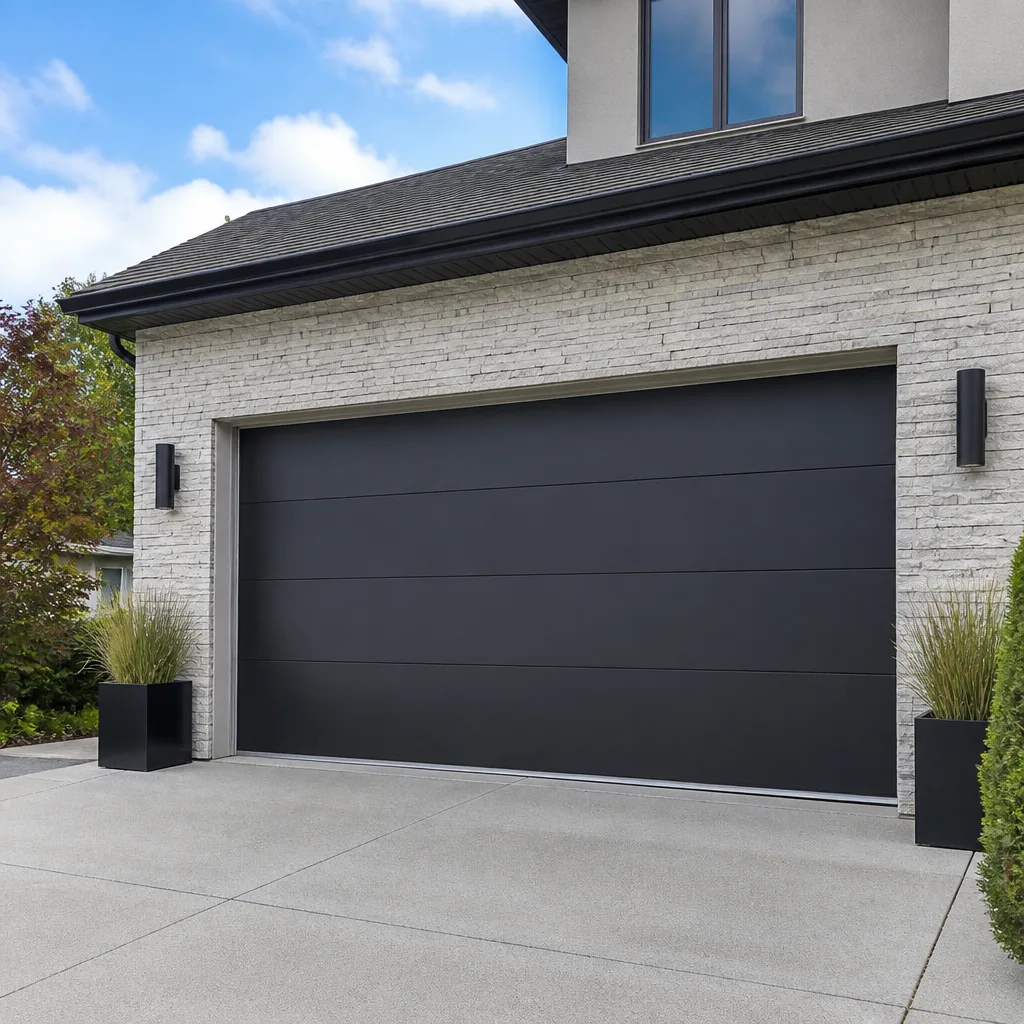 Modern flush
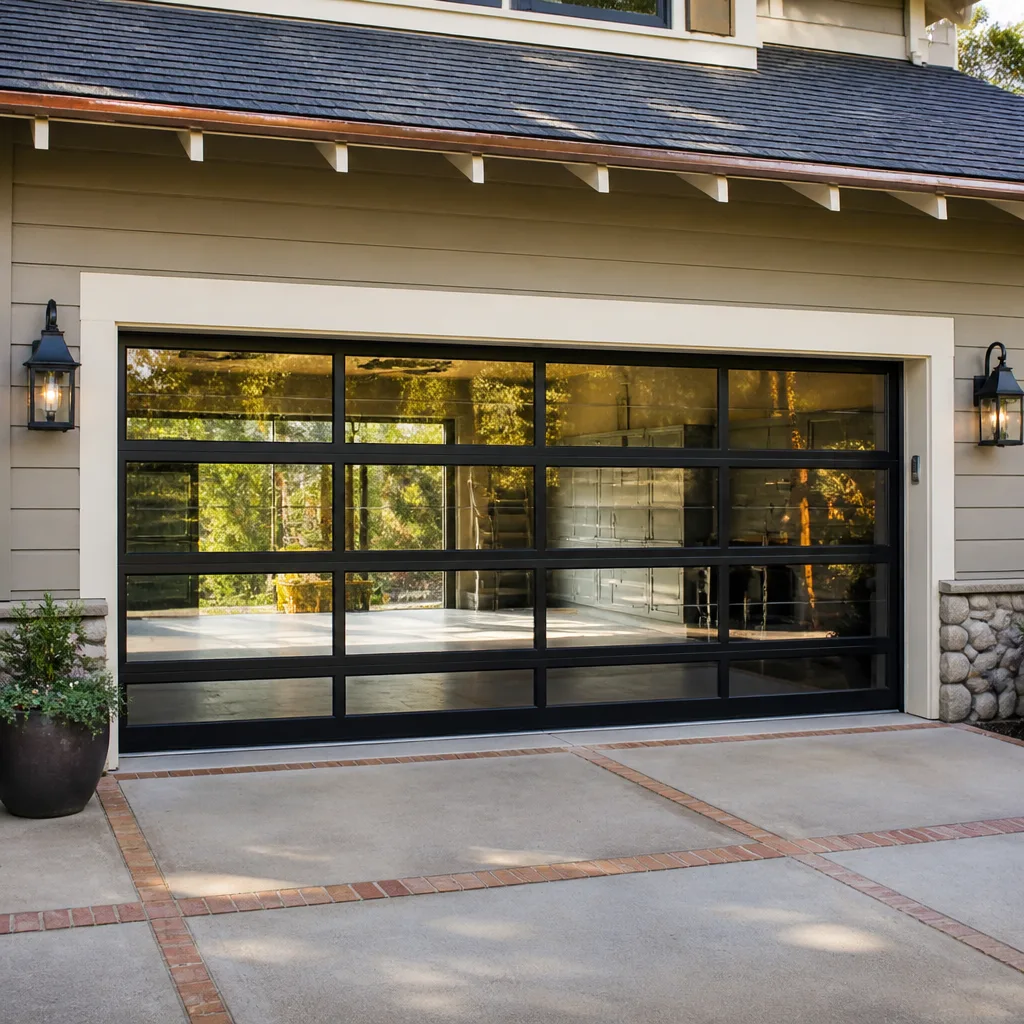 Full-view glass
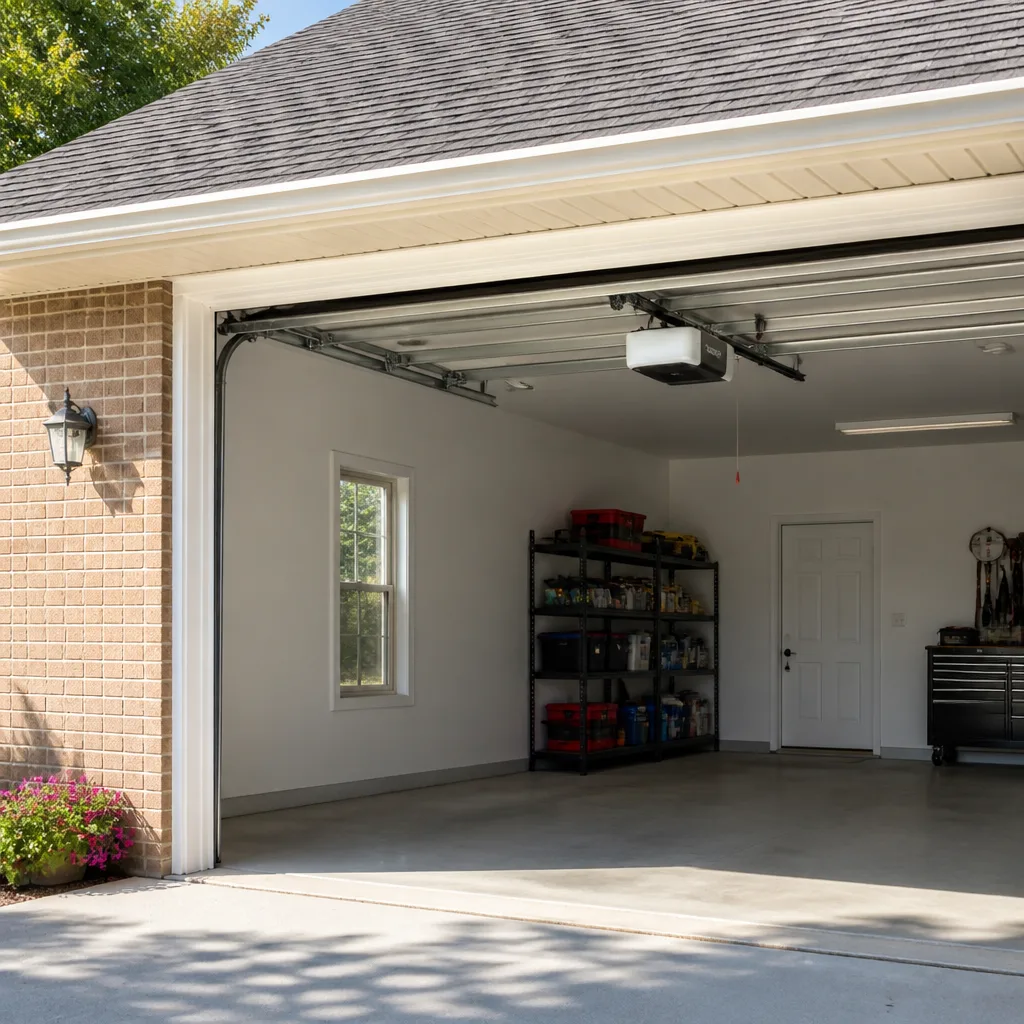 LiftMaster openers
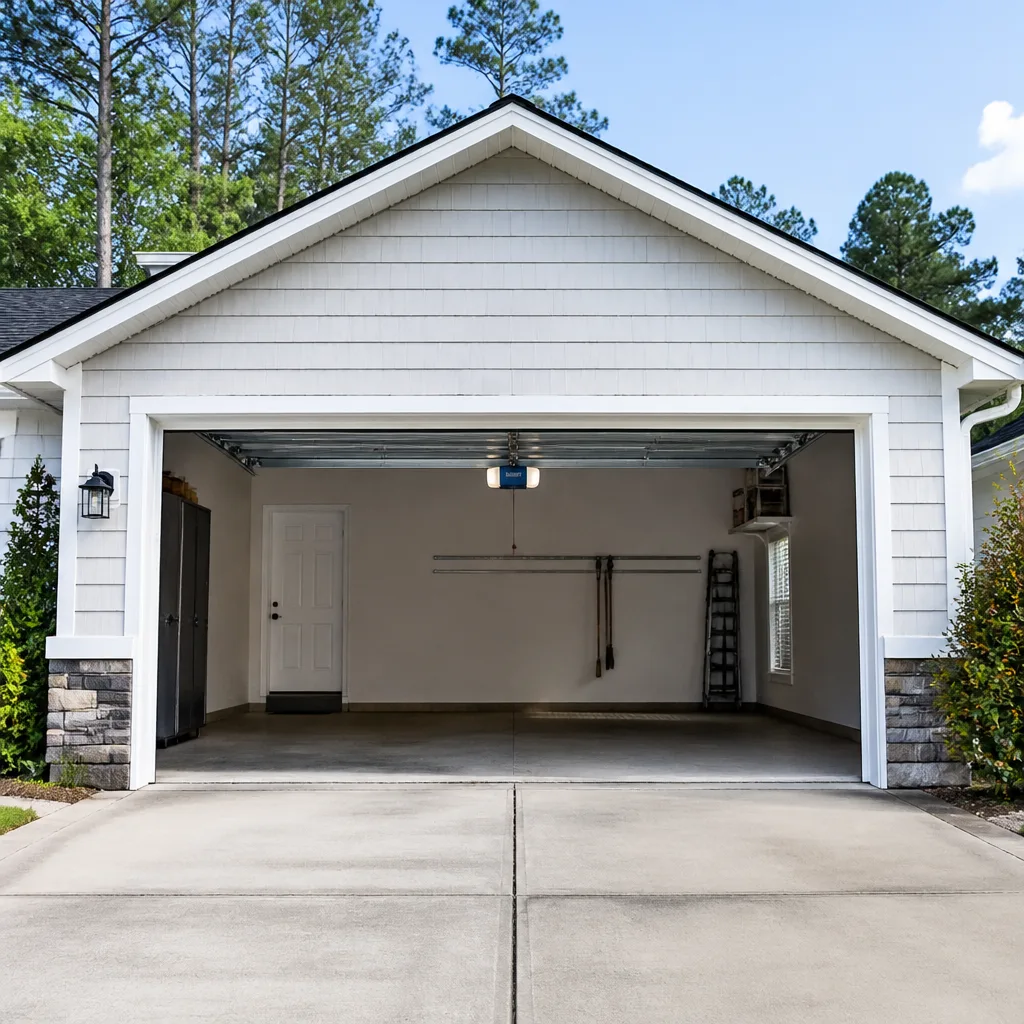 Chamberlain openers
Full 25-point door and opener safety check with every visit - springs, cables, rollers, tracks, and your LiftMaster or Chamberlain opener included
You get a price before we start. It does not change when the pro arrives.
Get your free estimateGarage Door Warning Signs: A Levittown Homeowner’s Reference Guide
Most garage door guides list the obvious: the door won’t open, the door won’t close, the door is crooked. By the time one of those symptoms shows up, you’re already having a bad morning and a car is trapped inside. We’d rather work backward. A torsion spring on a Levittown door usually lasts about 10,000 cycles – roughly seven years of normal use – and it starts telling you it’s tired weeks before it snaps. The grinding, the squeal, the door that bounces at the bottom: none of that is “just an old door.” Each sound and behavior points to a specific component. This guide explains what each warning sign means, how urgent it is, and how to tell the difference between a same-week repair and a same-day emergency.
Styles & brands we work with
- Raised-panel steel
- Carriage house
- Modern flush
- Full-view glass
- LiftMaster openers
- Chamberlain openers
Quick Answer
The main warning signs of a failing garage door are unusual noises (grinding means worn rollers or a tired opener drive, popping means spring trouble, squealing means dry or worn parts), a door that bounces at the bottom or closes too fast, visible cable fraying, gaps or bends in the panels, and a spring that has lost tension. Signs tied to springs, cables, or a door that reverses on its own need same-day attention. Grinding rollers and a squeaky track are usually same-week repairs. Our technicians have up to 9 years of experience telling the two apart.
Table of Contents
- What Your Door Is Telling You: Sound-Based Diagnosis
- Visual Warning Signs, Organized by Component
- Behavior-Based Warnings: How the Door Moves
- The Slow Opener Trap
- Same-Week vs. Same-Day: How Urgent Is Each Sign?
- A 7-Step Inspection You Can Do from the Driveway
- How Levittown Weather Wears a Garage Door
- Common Mistakes to Avoid
- When to Call a Professional
- Frequently Asked Questions
- The Bottom Line
What Your Door Is Telling You: Sound-Based Diagnosis
Sound is the earliest warning a garage door gives you, and it’s usually the one homeowners ignore longest. “It always made that noise” is the sentence we hear most, and it’s rarely true – a healthy door is quiet. What changed is that the noise crept up slowly. Here’s what each sound actually means at the component level.
Grinding
Grinding is metal-on-metal contact, and it’s almost always one of three things: worn steel rollers that have flattened and are dragging on the track, a track that has been pushed out of alignment and is scuffing the roller edge, or a failing opener drive gear. On a LiftMaster or Chamberlain chain-drive opener, a grinding that seems to come from the ceiling unit itself usually means the gear set or the chain is worn, not the door.
Squealing
A high-pitched squeal is friction without lubrication. It’s the least urgent of the noises – a dry hinge, a dry roller bearing, or a torsion tube that needs grease. It’s also the easiest to let slide until the dry part fails. A squeal that appears only at one specific point in the door’s travel points to a single bad roller or hinge.
Popping
Popping or a loud “bang” is the sound most worth taking seriously. A torsion spring that pops is either winding or unwinding unevenly, and it can be a spring that’s about to fail. A popping near the top of the door can also be a cable jumping its drum. Springs and cables are under extreme tension, and a spring repair is not a DIY job. Do not try to investigate a popping spring with your hands or a wrench – shut the door, disconnect the opener, and call.
Rattling
Rattling is looseness. Loose hinges, loose panel bolts, or a track bracket that has pulled free of the framing. It’s low urgency but high value to fix, because a door that rattles is a door that’s shaking itself apart panel by panel, and panel replacement costs more than tightening hardware.
If you hear a grinding that’s coming from the opener rather than the door, that’s a separate diagnosis. Our garage door opener repair service covers both the mechanical drive and the smart components on Genie and LiftMaster units, which is where most “the door sounds awful but looks fine” calls end up.
Visual Warning Signs, Organized by Component
You don’t need to know the names of the parts to spot a problem. Walk out to the driveway, look up, and check these five components in order. Each one fails in a recognizable way before it fails completely.
Cables
- Fraying or broken strands: the cable runs from the bottom corner of the door up to the drum. If it looks fuzzy, or you can see individual wires separating, the cable is on its way out.
- Slack on one side: both cables should have even tension. One side visibly looser means the drum or the cable has slipped.
- Rust staining down the door: a rust streak below the drum often means the cable is corroding from the inside out.
Springs
- A visible gap in the coil: a torsion spring that has snapped shows a clean break, usually with the two halves still on the shaft. This is the classic snapped-spring look, and the door will be extremely heavy.
- Sagging extension springs: if your door uses springs above the tracks rather than a torsion bar, a stretched or sagging spring has lost its pull.
- A rusty, uneven coil: rust and uneven spacing between coils are both signs the spring is near the end of its cycle life.
Rollers and Hinges
- Flat spots on steel rollers: a roller that has worn into a hexagon shape will thump as it rolls.
- Cracked nylon rollers: hairline cracks in the white roller wheels are common and cheap to fix before they shatter.
- Bent hinges: a hinge that’s visibly out of line usually follows an impact or a door that ran into something.
Panels
- Dents and creases: a creased panel weakens the door’s structure, and on an insulated door it can break the thermal seal.
- Gaps between sections: if you can see daylight between panels when the door is closed, the section hinges or the panel itself are worn.
- Rust along the bottom edge: the bottom panel takes the most weather, and rust there is the start of a panel replacement.
Weatherseal
- A flattened or torn bottom seal: the rubber strip along the floor should compress, not crumble. A torn seal lets in water, cold air, and pests.
- Gaps at the corners: if the seal doesn’t touch the floor at the corners, the door isn’t closing all the way, which is usually a travel-limit issue rather than the seal itself.
Behavior-Based Warnings: How the Door Moves
Movement tells you what sound and sight sometimes miss. A door that behaves differently than it did last month is telling you something mechanical has changed. Four behaviors matter most.
Closing too fast
A door that drops quickly in the last foot before the floor is not “closing firmly.” It’s a door whose spring has lost some of its counterbalance, so gravity is doing more of the work than it should. It’s also one of the earliest signs a torsion spring is weakening.
Bouncing at the bottom
A bounce at the floor is a symptom, not a quirk. It usually comes from one of three causes: a bad bottom seal that’s grabbing, a travel limit that’s set too low so the door hits the floor and rebounds, or a failing spring that lets the door slam down. Bouncing accelerates wear on every other component, so it’s worth fixing early.
Reversing for no reason
A door that goes down and then comes right back up is either seeing an obstruction the safety sensors think is there, or it’s hitting force limits that are set too sensitive. On a Genie or Chamberlain opener, dirty or misaligned photo-eye sensors are the most common cause. But a door that reverses because the spring is weak and the opener has to work too hard is a mechanical problem, not an electrical one.
Stopping partway
A door that stops halfway up or halfway down and refuses to continue is a door whose opener has hit a force limit. Sometimes that limit is set wrong. Just as often, it’s the opener correctly telling you the door has become too heavy to lift, which points back to a failing spring.
When a door reverses, bounces, or stops partway, it’s worth a professional garage door repair diagnosis before the behavior turns into a door that won’t move at all. That’s the difference between a $150 adjustment and a weekend without a garage.
The Slow Opener Trap
This is the single most common mistake we see on Levittown doors, and it’s completely understandable. The door starts getting sluggish, the homeowner opens the opener manual, finds the force adjustment screw, and turns it up. The door moves again. Problem solved – until it isn’t.
What the force setting actually does is tell the opener how hard it’s allowed to push or pull before it gives up. When a spring starts failing, the door becomes heavier, and the opener has to work harder to lift it. Turning up the force setting doesn’t fix the heavy door. It just makes the opener stop complaining about it.
What follows is predictable. The opener motor, which was never designed to lift the full weight of the door, runs hotter and harder on every cycle. The gear set wears faster. The drive belt or chain stretches. And the real problem – the spring – keeps weakening until the day it snaps, at which point the opener can’t lift the door at all and you’re in an emergency call instead of a scheduled one.
If you’ve turned up your opener force more than once, that’s a signal in itself. Something in the door has changed, and the force setting is masking it. Diagnosis first, repair second is the right order here. Our garage door spring repair service exists specifically because spring problems are the most commonly misdiagnosed failure in the trade. If the opener itself has already been damaged by the extra load, we handle that too – our technicians work on LiftMaster, Chamberlain, Genie, and Raynor systems by name, which means no guessing about your specific model.
Same-Week vs. Same-Day: How Urgent Is Each Sign?
Not every warning sign is an emergency, and treating them all like one is expensive. Here’s how we sort them. The rule of thumb: anything involving springs, cables, or a door that won’t stay closed is same-day. Anything that’s noise or wear with the door still operating normally is same-week.
Same-day (call now)
- Snapped torsion spring: the door will be extremely heavy. Do not lift it – the opener can’t handle it and neither should your back. This is the case where a car gets trapped and the house can’t be secured.
- Frayed or broken cable: the door is being held by one side only, which can twist and damage the panels or drop the door.
- Door stuck open: a security problem as much as a mechanical one. If the house is left unsecured, that’s a same-day call.
- Door reverses or won’t close at all: a door that won’t close leaves the home exposed and is usually a safety sensor or travel-limit issue that needs diagnosing.
- Door off its track: never force a door that has come off the track. It can fall.
Same-week (schedule it)
- Grinding rollers or a rattling door: real wear, but the door still works. Book it before the roller flattens completely and starts damaging the track.
- Squealing hinges or a dry torsion tube: lubrication and a few replacement parts will solve it.
- Bouncing at the bottom: fixable with a travel-limit adjustment and often a new bottom seal.
- Dented or rusted panels: cosmetic until it isn’t. A panel that’s starting to rust through needs replacement this season, not next.
- Torn weatherseal: easy to postpone until a cold snap, at which point it’s a draft problem. Do it before then.
When a same-day sign shows up, speed matters. Emergency garage door service is exactly what we handle – and when your door won’t move, we move fast. Call (877) 792-5882. Estimates are free, and the price is quoted and agreed before any work starts.
A 7-Step Inspection You Can Do from the Driveway
You don’t need to touch any high-tension components to catch most problems early. This routine takes ten minutes and tells you which signs you have. Do not attempt to repair springs or cables yourself. This is inspection only.
- Stand back and look at the springs. With the door closed, look up at the torsion bar. A gap in the coil or a clearly bent extension spring means a same-day call.
- Look at both cables. Run your eyes down each side. Fraying, slack, or rust streaks are all signs to flag.
- Open the door and listen. Stand outside and just listen to a full open and close. Grinding, popping, squealing, and rattling each tell you which component is failing.
- Watch the last foot of travel. Does the door drop fast or bounce at the floor? That’s a spring or travel-limit signal.
- Check the panels. With the door closed, look for daylight between sections and rust along the bottom edge.
- Look at the weatherseal. Is the rubber flat, torn, or not touching the floor at the corners?
- Read the opener manual, not the force screw. If you’ve already turned up the force setting, treat that as a warning sign in itself and book a diagnosis.
If any step turns up something you’re not sure about, we’d rather you ask. We work on your brand, so a quick diagnosis over the phone is often possible. Our Garage Door Repair Levittown Pros team can help you decide if it’s a now or a next-week.
How Levittown Weather Wears a Garage Door
Garage doors here live through a specific set of conditions that a door in a milder climate never sees, and those conditions directly affect which warning signs show up and when.
Freeze-thaw cycles and the floor
Levittown winters swing above and below freezing repeatedly, and that cycle is hard on weatherseal and the bottom panel. Water gets into the bottom seal, freezes, and expands. Repeated enough times, the rubber cracks and the bottom panel edge starts to rust. The signs to watch for are a stiff or cracked bottom seal in spring and rust streaks along the bottom edge after a hard winter.
Humidity and spring corrosion
Summers here are humid, and a torsion spring in an uninsulated garage sits in that humidity all season. Surface rust on the coils isn’t a problem by itself, but rust that’s eating into the metal shortens the spring’s life. A rusty, uneven coil is a sign worth acting on before it fails.
Winter and the “stuck door” call
The most common winter emergency we see is a door that worked fine in November and won’t budge in January. In cold weather, metal contracts, grease thickens, and a borderline spring becomes a too-weak spring. That’s why the fall inspection matters here more than it does in most places: catch a weakening spring in October and you won’t be calling an emergency line in a snowstorm.
Storm and impact damage
Hail is uncommon in this area, but summer storms still bring windborne debris and fallen limbs against panels. The sign to watch for is a dent you can see from the driveway but not a crease. A crease means the panel’s structural integrity is compromised and it needs replacement, not a dent repair.
When storm damage hits a panel, the question is often whether to repair or replace. We handle garage door repair and full installation under one company, so a dented panel doesn’t hand you off to a second contractor for the bigger job.
Common Mistakes to Avoid
- Turning up the opener force setting. It masks a failing spring and burns out the motor. If the door feels sluggish, the spring is the cause, not the opener.
- Waiting for the door to stop completely. By the time it won’t move, an adjustment has become a replacement. Act on the noise, not the failure.
- Trying to fix a spring or cable yourself. These are the highest-tension components in the entire system, and spring repair is not a DIY job. The injury risk is real and serious.
- Greasing the wrong parts. Grease on nylon rollers and on the track itself attracts grit. Only hinges, bearings, and the torsion tube get lubricant.
- Assuming a noisy door is a broken door. A grinding door with a good spring is often a $150 roller job, not a new door. Don’t let a quote for a full replacement stand for what is a small wear-and-tear repair.
- Ignoring a bounce at the floor. It’s not a personality quirk. It’s a spring or travel-limit problem that’s quietly damaging the whole assembly every cycle.
- Forcing a door that’s off its track. A door that has popped a cable or left its track can fall. Stop, disconnect the opener, and call.
When to Call a Professional
Call a professional for anything involving a spring, a cable, a door off its track, or a door that won’t close and leaves the home unsecured. Those are the cases that can cause injury or real damage if handled wrong. Also call when you hear a grinding you can’t place, when the opener has been turned up more than once, or when the door’s movement has changed but you can’t tell what’s wrong. Those are all cases where a proper diagnosis saves money. Garage Door Repair Levittown Pros offers free estimates in Levittown – call (877) 792-5882. Our technicians have up to 9 years of experience and arrive already familiar with the major systems, so a diagnosis is often quick. The price is quoted and agreed before any work starts.
Frequently Asked Questions
The most common warning signs in Levittown are grinding rollers, popping or squealing springs, a door that bounces at the bottom, and a door that reverses for no reason. Our technicians see all of these constantly because the region’s freeze-thaw winters and humid summers wear weatherseal and springs faster than milder climates. The earliest signs are usually sound, which is why a listening check matters more than a visual one. Call (877) 792-5882 for a free estimate.
A torsion spring typically lasts about 10,000 cycles, which is roughly 7 years of normal use. Actual life depends on how often the door cycles, how heavy the door is, and how much corrosion the spring has picked up from humidity. A rusty, uneven spring is on borrowed time. Our garage door spring repair service measures and diagnoses spring life so you’re not guessing. Call (877) 792-5882 for a free estimate.
No. A grinding opener is usually the gear set or the drive wearing out, and running it harder accelerates the damage. If the grinding comes from the door itself, it’s usually rollers or a track, which is less urgent but still needs fixing before it damages the panels. Either way, stop using the door and call. The price is quoted and agreed before any work starts. Call (877) 792-5882 for a free estimate.
It’s a sign that needs fixing, not a sign to ignore. A bounce is usually a bad bottom seal, a travel limit set too low, or a weakening spring. Left alone, the bounce wears every component in the assembly faster. Getting it diagnosed before it turns into a spring failure is much cheaper. Call (877) 792-5882 for a free estimate.
You can do a safe visual and listening inspection from the driveway – no tools, no touching the springs or cables. What you shouldn’t do is adjust springs, cables, or the opener force setting yourself. Springs are under extreme tension and can fail violently if handled wrong. Let our team handle the repair; the local pro is licensed and insured as their state requires. Call (877) 792-5882 for a free estimate.
Most early warning sign repairs – a roller replacement, a hinge adjustment, a weatherseal – fall in the low hundreds, and a full spring repair is more because a matched pair of springs is usually replaced together. The written estimate you receive sets the final price, and it’s quoted and agreed before any work begins. We don’t upsell from a small repair to a full door replacement. Call (877) 792-5882 for a free estimate.
The Bottom Line
Your garage door is one of the few things in your home that talks to you before it fails. Grinding, popping, squealing, rattling, bounces, and a door that reverses for no reason are all specific enough to diagnose without opening a panel. The trick is listening earlier than you’re used to. Same-week signs are wear-and-tear; same-day signs involve springs, cables, and a door that leaves the home unsecured. If you’ve turned up the opener force setting more than once, that’s a signal, not a fix. The safest move is a quick diagnosis before a warning sign becomes an emergency.
Garage Door Repair Levittown Pros handles repair, opener repair, spring repair, and full installation under one company, with service across the major brands including LiftMaster, Chamberlain, Genie, and Raynor. When you’re ready to have it looked at, call (877) 792-5882 for a free estimate. Our technicians have up to 9 years of experience.
Written by the team at Garage Door Repair Levittown Pros.
See the difference
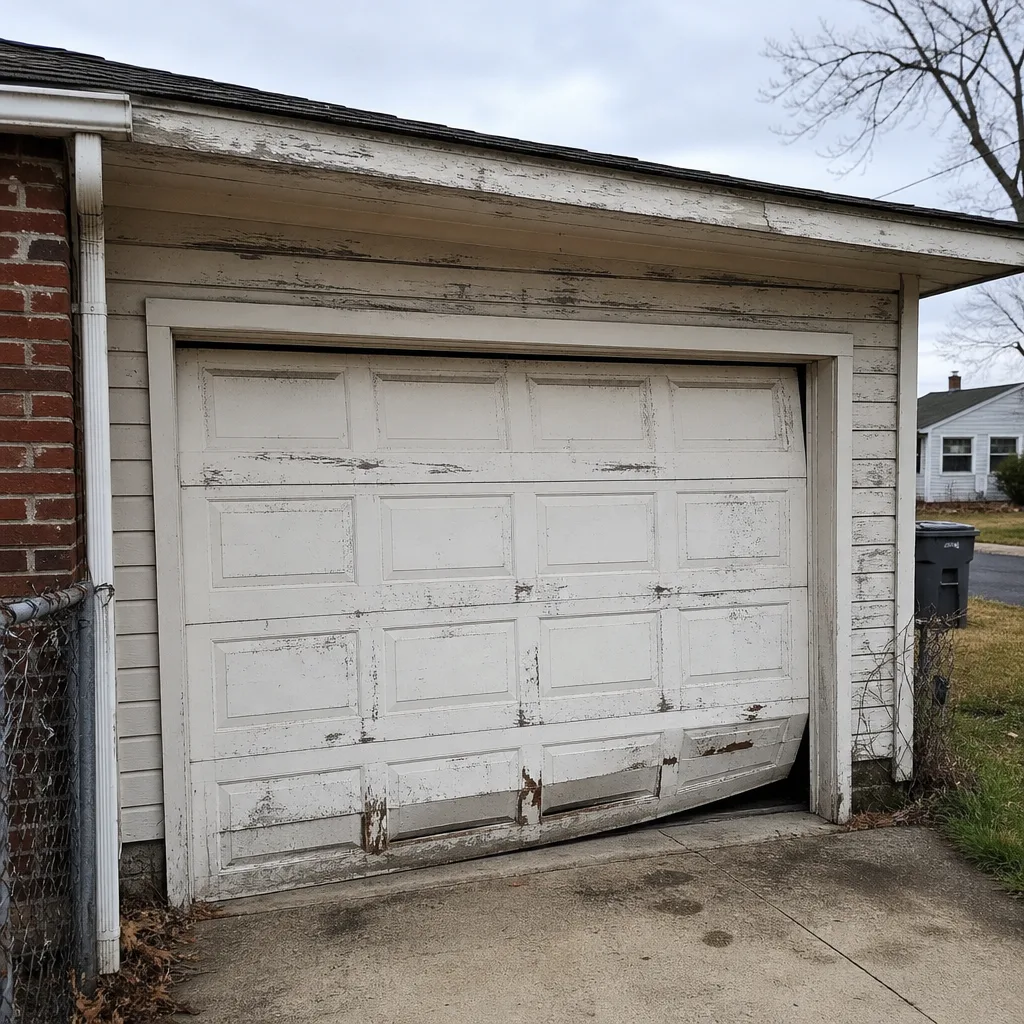 Before
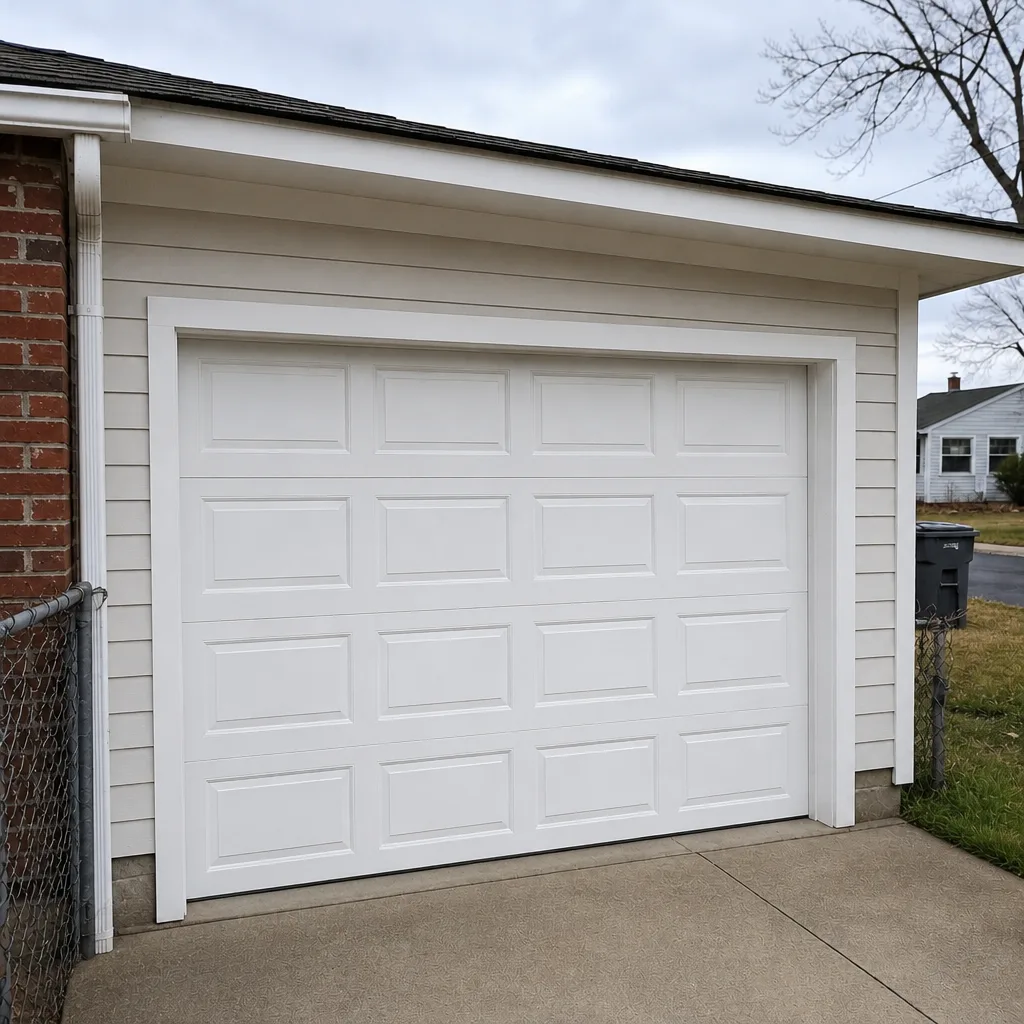 After
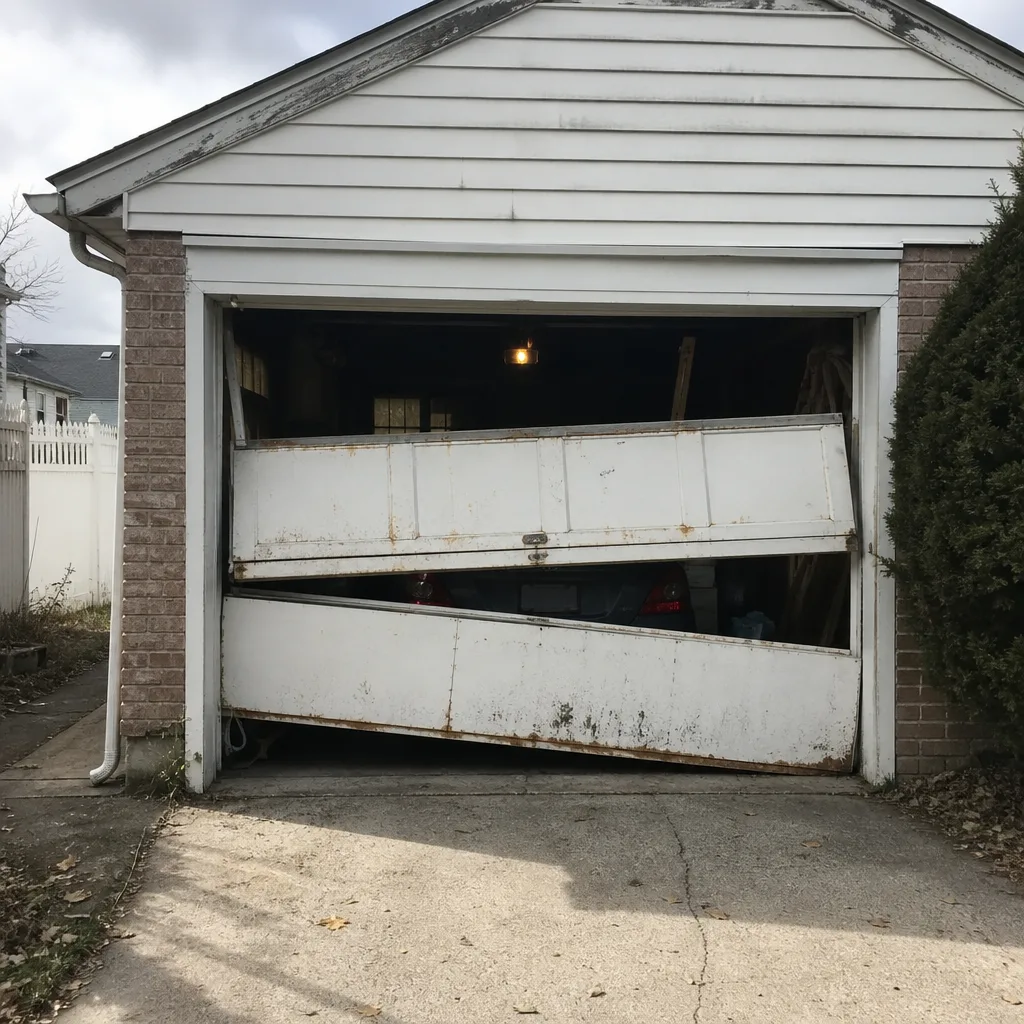 Before
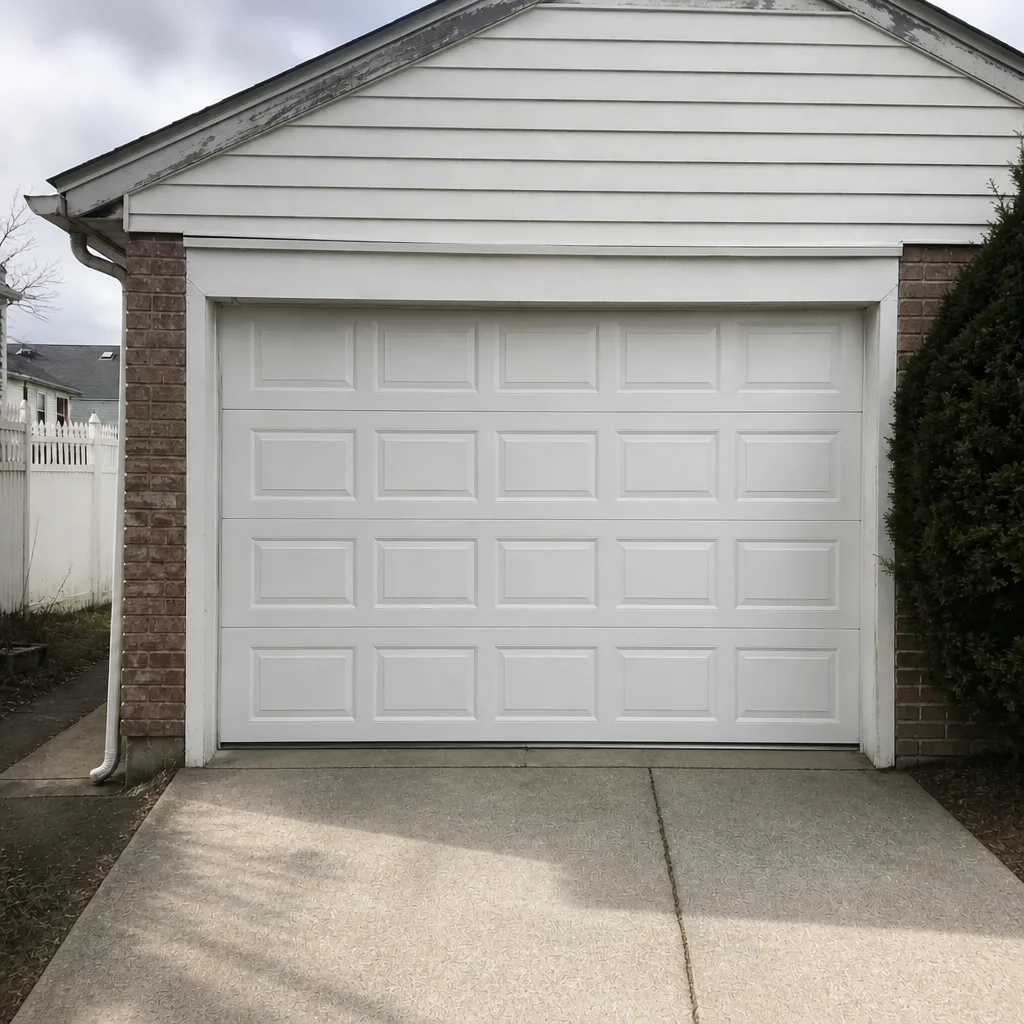 After
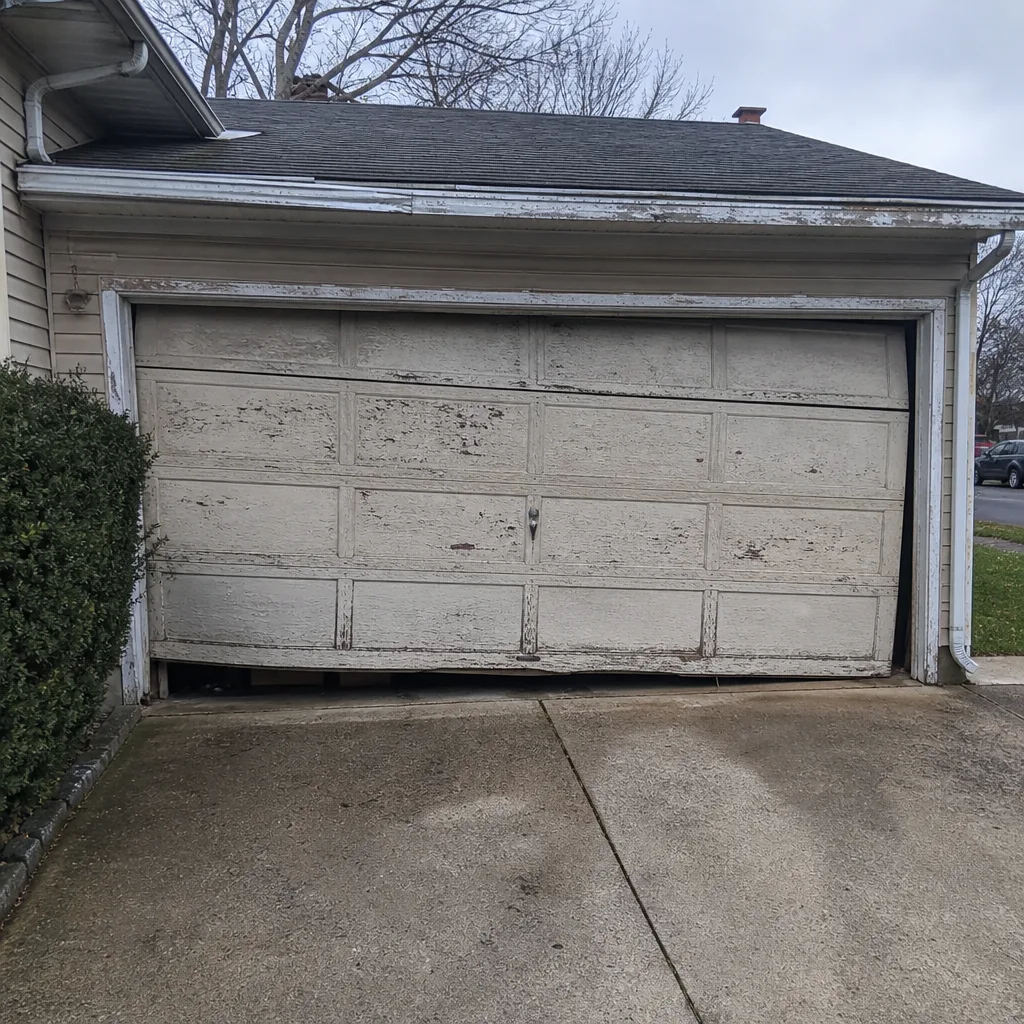 Before
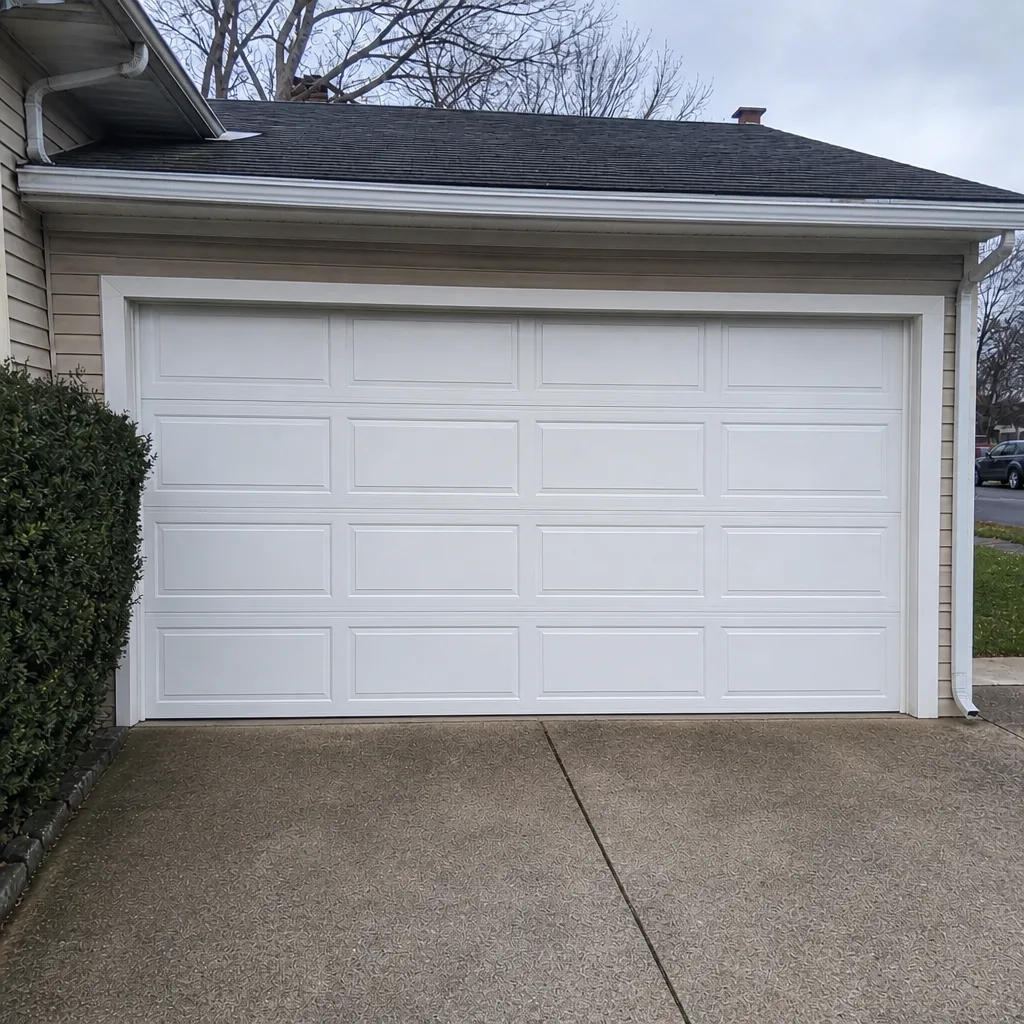 After