Last updated November 23, 2026
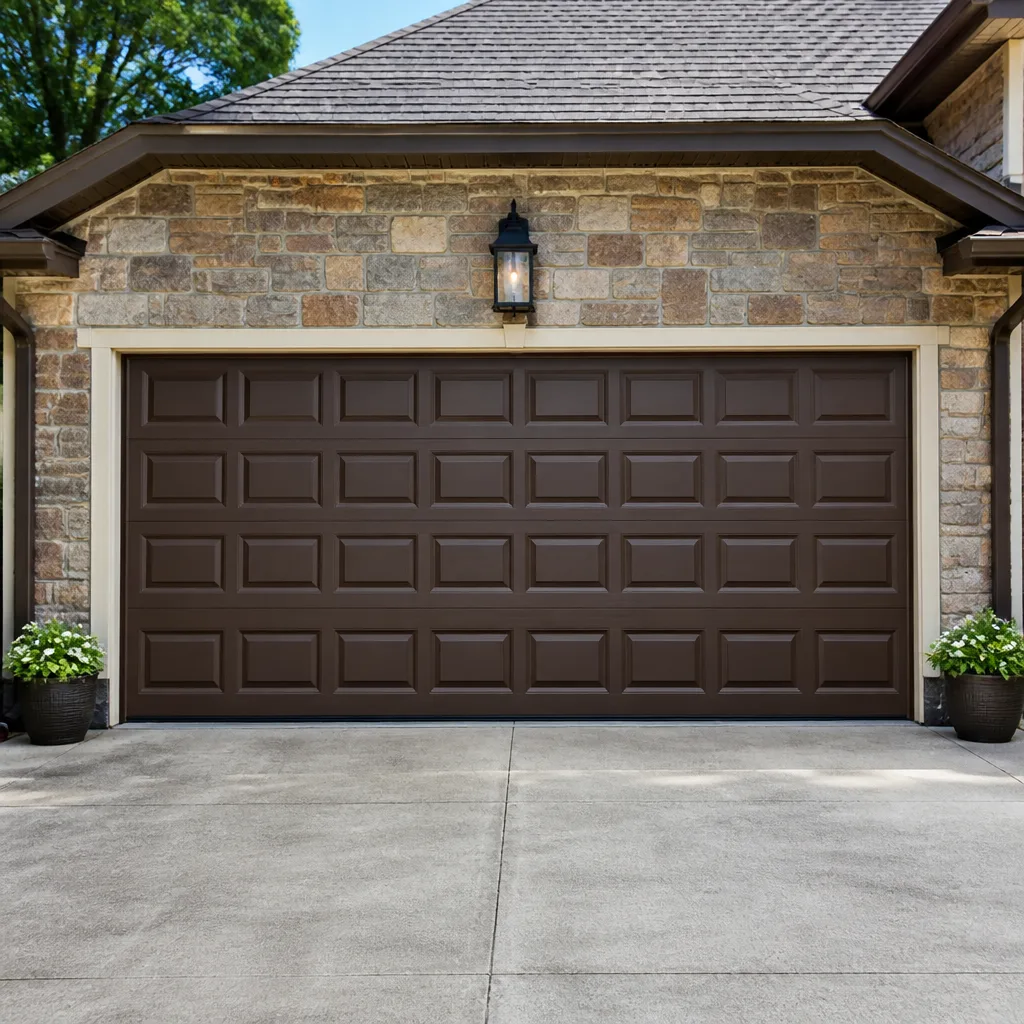 Raised-panel steel
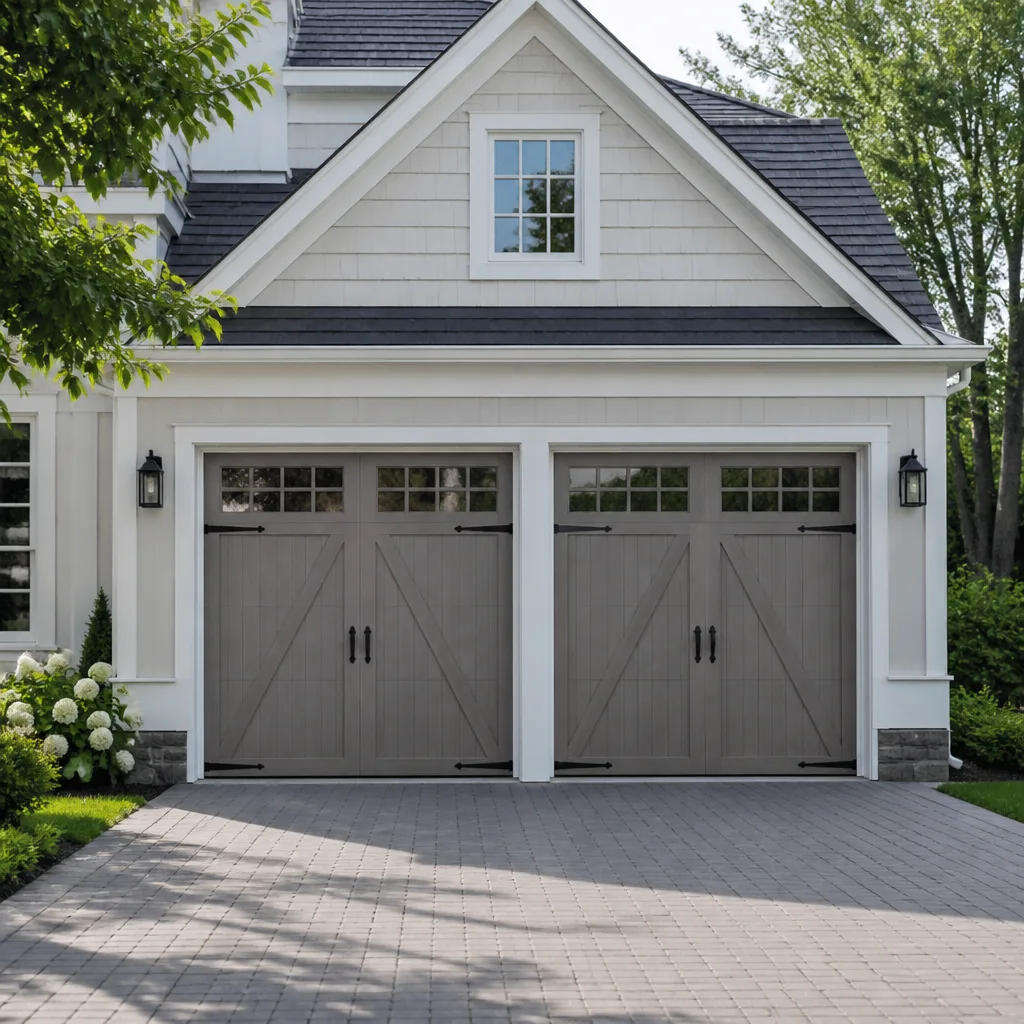 Carriage house
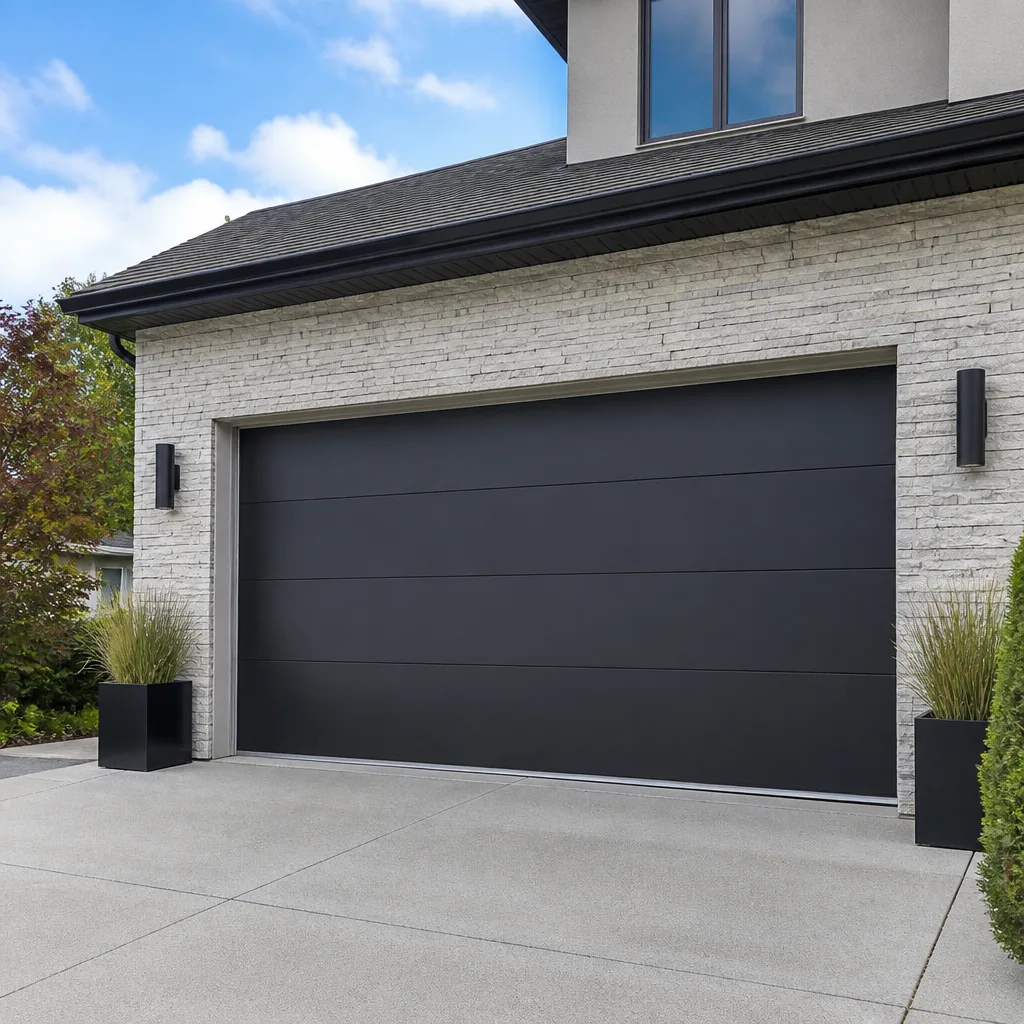 Modern flush
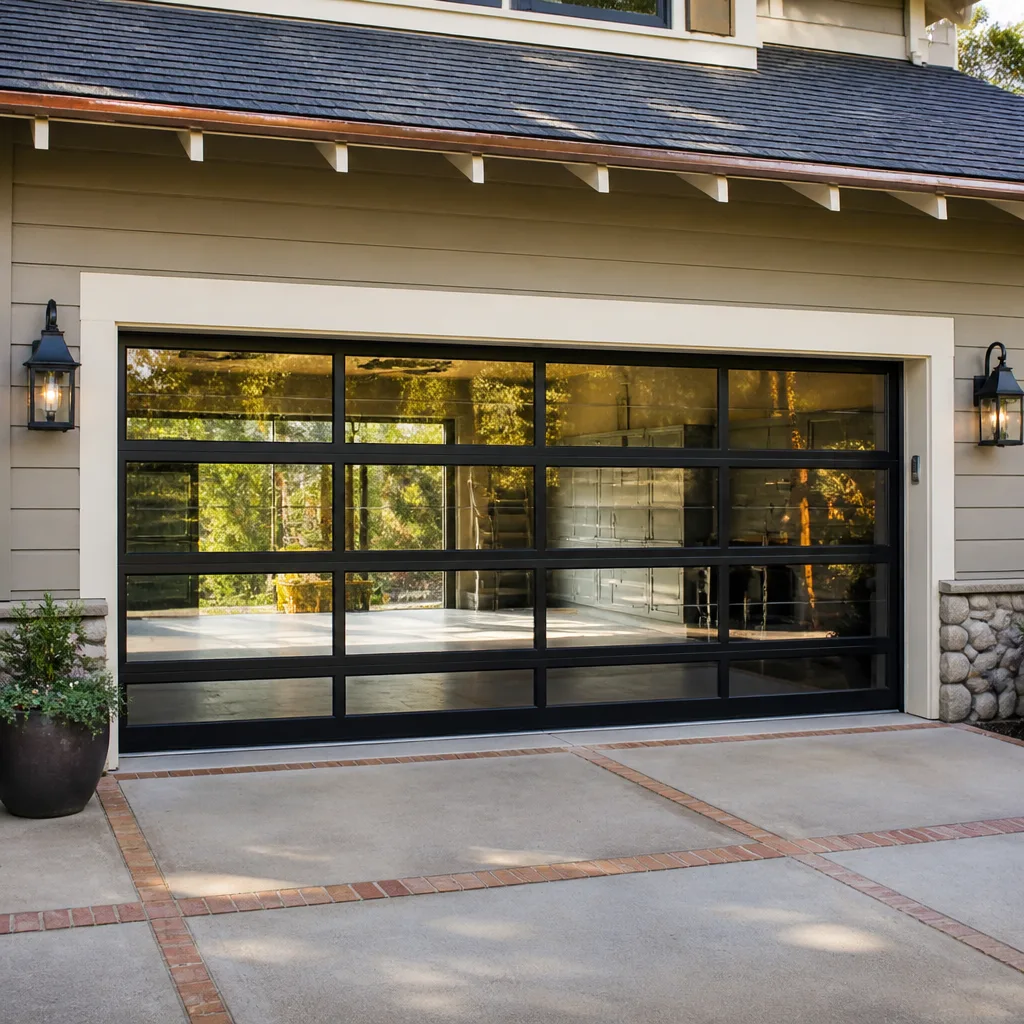 Full-view glass
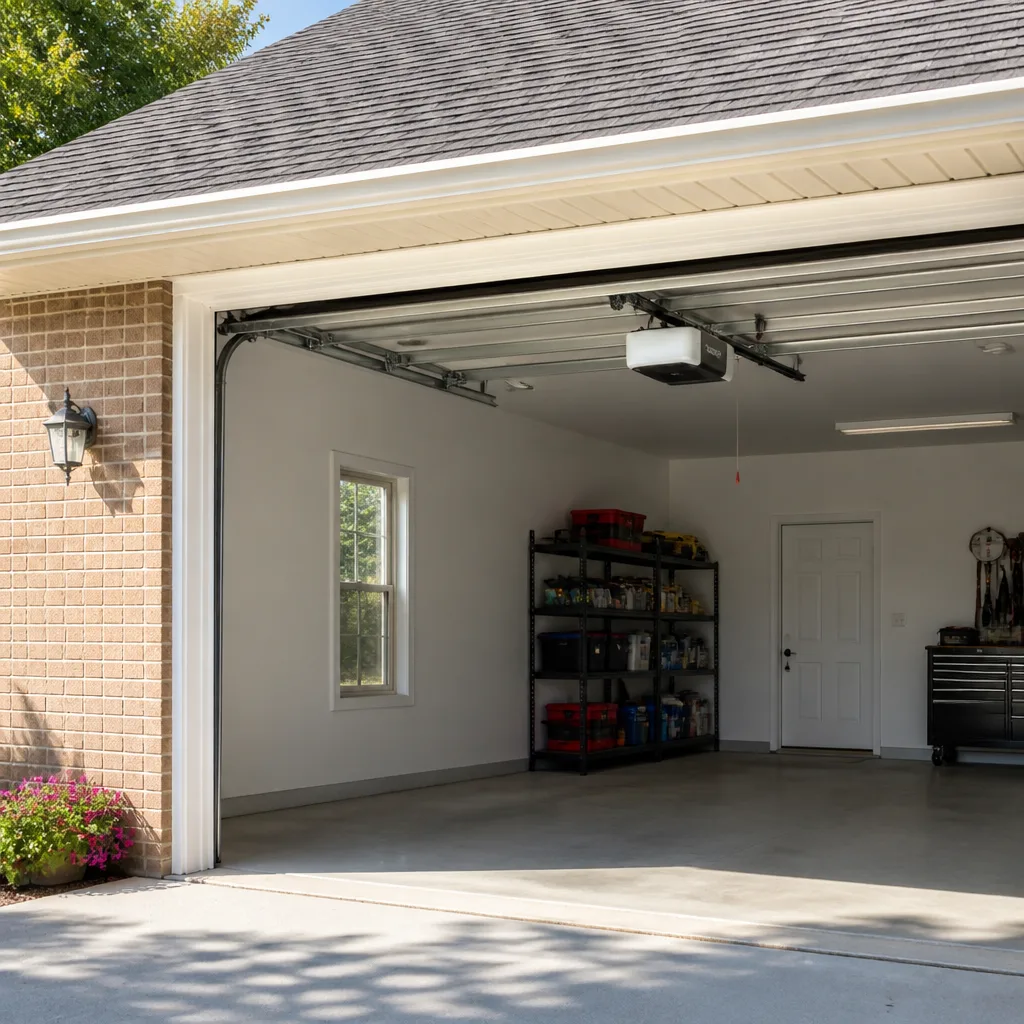 LiftMaster openers
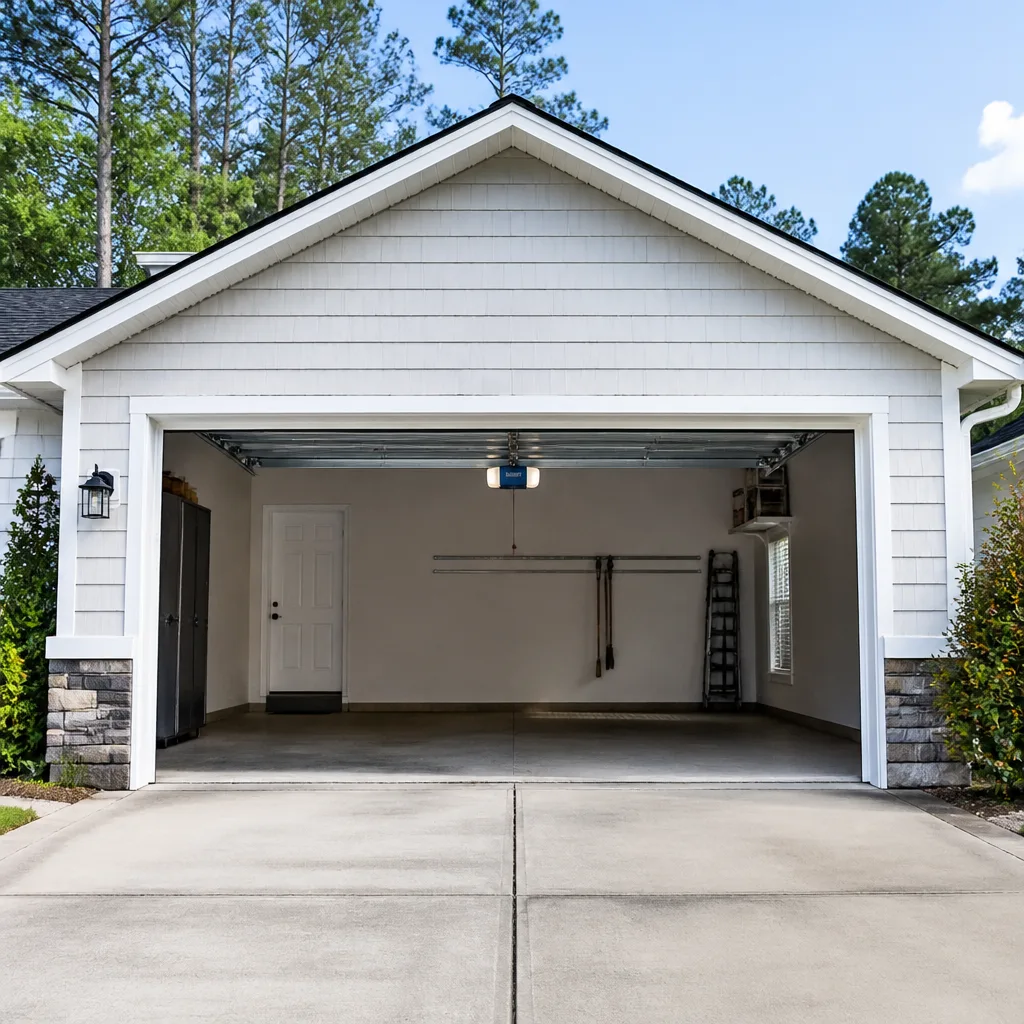 Chamberlain openers
Full 25-point door and opener safety check with every visit - springs, cables, rollers, tracks, and your LiftMaster or Chamberlain opener included
You get a price before we start. It does not change when the pro arrives.
Get your free estimateHow to Hire a Garage Door Contractor in Levittown: A Step-by-Step Guide
Searching for a garage door contractor in Levittown is easy. Finding a good one is harder. The barrier to entry in this trade is low, so the results you see on your phone can include a licensed local shop, a one-man operation with a truck and a spring, and a national call center that sells your job to whoever is free that week. From the search results page, they look identical. This guide walks you through the questions to ask, the estimate lines to watch for, and the warranties to get in writing – so you know exactly who’s standing in your driveway before anyone touches the door.
Quick Answer
To hire a garage door contractor in Levittown, confirm the contractor is registered with Nassau County as a home improvement contractor, ask for proof of liability and workers’ comp insurance, get a written estimate with itemized parts and labor, and get a written warranty before work starts. If a company dodges any of those four, move on. There are enough legitimate shops in Levittown that you don’t need to gamble on one.
Styles & brands we work with
- Raised-panel steel
- Carriage house
- Modern flush
- Full-view glass
- LiftMaster openers
- Chamberlain openers
Table of Contents
- What New York State and Nassau County actually require
- Three phone questions that reveal who you’re talking to
- How to read a garage door estimate
- Single spring vs. double spring: the math that matters
- What a real warranty on parts and labor looks like
- Why brand knowledge shortens the job
- Vetting a contractor when your door is stuck
- Common mistakes to avoid
What New York State and Nassau County Actually Require
Most Levittown homeowners assume every contractor in a van is licensed, insured, and accountable to someone. That’s not how it works. New York State doesn’t issue a single statewide license for garage door work. Oversight happens at the county level, and on Long Island the county that matters for a Levittown job is Nassau County. Nassau County requires home improvement contractors to hold a Home Improvement Contractor (HIC) registration. It’s not a skill test – it’s a paper trail that means the contractor has registered with the county, not vanished into the ether. Ask for the HIC number and confirm it with Nassau County before anyone swings a wrench.
What the HIC registration does not cover is insurance. A registered contractor can still carry no liability policy and no workers’ comp. Both matter for a specific reason: garage door work includes high-tension springs and heavy moving sections, and if a spring lets go or a panel falls, you want the contractor’s policy covering it, not your homeowner’s policy.
What to ask for, in one line:
- Nassau County HIC registration number, and a phone number or portal to verify it.
- Certificate of liability insurance with limits listed, sent by the insurer directly.
- Workers’ comp coverage, or a documented exemption if the contractor is a genuine sole proprietor.
- A written contract with the business name, address, and signature.
If a contractor says “we’re licensed in New York” and means nothing more specific than that, you’re talking to someone who either doesn’t understand the rules or hopes you don’t. Either way, keep looking.
Three Phone Questions That Reveal Who You’re Talking To
Before you book anyone in Levittown for an estimate, make a short call. Not to ask about pricing – to find out whether you’re speaking to the company that will do the work, or a call center that sells your address to a subcontractor. The tone of the answers tells you almost everything.
- “Do you work on my brand?” Say your opener is a LiftMaster or a Wayne Dalton door and listen. A qualified local technician confirms the brand and often names the model family. A dispatcher says “we work on all brands” without asking which. That’s your signal.
- “Who is the technician, and are they on your payroll?” A legitimate shop uses its own trained, insured technicians. A lead aggregator will say “our local partner” or “the technician assigned to your area.” That phrasing means you’re being handed off to a stranger who was called after you hung up.
- “Can you give me an approximate range for a spring replacement over the phone, before you see it?” A real shop will give you a typical range and note that the written estimate is the final price. A lead broker will say “it depends, we’ll have to see.”
You can also listen for the smallest details. A contractor who works in Levittown regularly will know the neighborhoods and the style of homes. They won’t hedge on what kind of door they’re likely to find in a 1950s split-level vs. a newer colonial. Ask a question only a local would know the answer to – “do you see a lot of Wayne Dalton doors around here?” – and the answer will be instant and specific if you’re talking to a local technician.
How to Read a Garage Door Estimate
Garage door estimates are short documents, which makes them easy to fake. The pattern to watch for is an estimate that’s really a number with a dollar sign – a lump-sum price and no breakdown. Legitimate estimates itemize parts and labor separately. Here’s what a complete estimate for either a repair or an installation should include:
- Parts, itemized: springs, cables, rollers, hinges, panels, opener, and any brackets, each with a model number where applicable.
- Labor, separate line: the technician’s hours for diagnosis, disassembly, installation, and adjustment.
- Disposal: removal of the old door, springs, or opener, and where it goes.
- Permits or inspection fees, if required: a line item for any city paperwork the job triggers.
- Warranty terms: parts and labor, in writing, with durations.
- A total price that matches the line items.
Watch for these vague charges, which usually mean the price you were quoted will grow once the technician is in your garage:
- “Spring service” without saying how many springs or what size.
- “Cable adjustment” alongside a spring replacement – that’s part of the same job, not a separate line.
- “Safety check” priced on its own, when a proper spring replacement always includes a final adjustment and test.
- A per-hour labor rate with no estimate of hours.
The pricing promise a legitimate contractor makes is simple: the written estimate is the price. Additions during the job should only happen when something genuinely wasn’t visible until disassembly – a cracked panel behind the trim, a bent track hidden by a seal – and that conversation should happen before the additional work, not after. For a closer look at what a well-run job looks like, see our page on garage door repair in the area.
Single Spring vs. Double Spring: The Math That Matters
The cheapest spring replacement quote in Levittown is often the one that costs you more inside a year. Here’s why. Many garage doors are built to run on a pair of torsion springs, matched to the door’s weight. If one spring breaks, the other has usually absorbed the same cycles and is close behind. Replacing only the broken one is cheaper today and puts you back on the phone in months. A legitimate contractor will quote a single spring price and a matched pair price, explain the difference, and let you decide. A lowball quote – one spring only – is the version you’ll see in search ads.
Our own preference is simple: when the springs are a matched pair and one is gone, quote the pair. The parts cost roughly doubles because there are two springs, but the labor doesn’t – the door is already apart. That’s the whole math. It’s not about upselling; it’s about how the door was designed. The technicians who quote the pair are usually the ones who’ll be around next year when the second spring on a single replacement fails.
Spring replacement is also not a DIY job. A torsion spring is wound to enough tension to lift hundreds of pounds of door, and it’s under that load while it’s being adjusted. A spring that goes during an amateur repair can break bones. Our full explanation is on the garage door spring repair page, and our own spring work is handled as a specialized job precisely because it’s the highest-tension component in the system.
What a Real Warranty on Parts and Labor Looks Like
A warranty is only useful if it’s in writing before the job, names both the parts and the labor, and states how long each is covered. Many “warranties” in this trade cover only the part and skip labor – which means a failure six months after replacement costs you the same labor charge you paid the first time. That’s not a warranty; it’s a partial refund on a component.
A useful warranty includes:
- The part, by name and duration: “torsion springs, five years” is a warranty. “Satisfaction guaranteed” is not.
- The labor, with its own duration: at minimum, the labor to fix the same failure in the same spot for the warranty period.
- What isn’t covered, in plain English: impact damage, misuse, and acts of nature.
- Who to call, and how: the business’s own phone number, not a manufacturer’s customer service line.
- The company’s name and signature.
Before anyone touches the door, ask for that document. If a contractor offers a “lifetime warranty” with no written terms, what they’re really offering is a verbal promise that will evaporate when the person who made it is no longer the person you’re calling. A written warranty attached to an invoiced estimate is how you know the job is being treated as a real piece of work, not a quick stop.
Why Brand Knowledge Shortens the Job
Garage door systems from different manufacturers look similar in your driveway and behave differently under load. A technician who works on a Wayne Dalton door every week knows where its springs sit, which track brackets are typical on that model family, and how its panels come apart. Someone who’s working on a LiftMaster opener for the first time has to read the housing. That’s not a small difference in a 40-minute repair.
Certified service across brands like LiftMaster, Chamberlain, Genie, Clopay, Amarr, Wayne Dalton, Craftsman, and Raynor is the credential that tells you the contractor’s technicians have been trained on the exact hardware in your garage rather than learning as they go. It also matters because a repair that’s priced by the hour is priced by the guess, and a technician who knows your brand doesn’t need to guess.
When you ask “do you work on my brand?” on the phone, you’re not just confirming they carry parts. You’re getting a read on whether the person arriving at your door knows what they’re opening. Our own garage door opener repair work is built on that brand-specific foundation – diagnosing the drive and the smart components on the opener you already own, rather than replacing around an unfamiliar system.
Also, ask whether the contractor does the larger job, not just the small one. A spring replacement is one skill; a full new door installation with a new opener, track, and panel alignment is another. If your repair turns into a replacement, a contractor who also installs full doors – rather than referring you to a separate installer – has one more reason to do the repair correctly and one less reason to overstate the problem.
Vetting a Contractor When Your Door Is Stuck
A door that won’t close – or won’t open with a car behind it – changes the urgency, and it also shortens your vetting time. The single thing you can still do, even in a hurry, is call one number and refuse to be transferred to a “local partner.” Lead aggregators are busiest in emergencies because that’s when homeowners search with the least patience, and it’s also when a poorly vetted subcontractor can charge the most. Three checks, done quickly:
- Ask who’s coming. If the answer isn’t a named local professional the company stands behind, hang up.
- Ask for a range before the visit. A real shop can quote a typical emergency call range; a broker can’t.
- Get the estimate before the repair. Even in an emergency, the price is quoted and agreed before any work starts.
Emergency service is offered specifically for failures that leave the door stuck open (a security issue) or a vehicle trapped behind a broken spring or opener. That’s an urgent job, and it should be handled by a technician who knows your system, not a first-come hand-off. If you’re facing that today, our team handles garage door calls in Levittown and the surrounding area and can walk you through what to expect. If you can plan ahead for a proactive door replacement instead, the process is measured, ordered, and scheduled – it’s not an emergency call even if the timeline feels tight.
Common Mistakes to Avoid
- Hiring off a lead aggregator’s ad. If the number goes to a national call center, the person showing up at your Levittown home wasn’t vetted by anyone you spoke to. Ask who the technician is before you book.
- Skipping the HIC registration check. Nassau County registration is the one piece of state-adjacent paperwork that gives you a trail if something goes wrong. It takes a minute to confirm and saves you from a contractor with no paper trail.
- Taking the lowest single-spring quote. A low quote for one spring on a two-spring door often means the job gets quoted again in a few months when the matching spring fails. Ask whether the quote covers one spring or the pair.
- Accepting a verbal warranty. “We’ll take care of you” isn’t a warranty. Get the part and the labor durations in writing, with the business name on the document.
- Not asking about the opener when the door is the problem. A door that acts up can be a spring, a track, or a failing opener. A contractor who only fixes springs may miss the actual cause; one who handles both diagnoses correctly the first time.
- Paying a deposit with no written estimate. The estimate should come before the deposit and name the parts and labor. A deposit on a lump-sum quote is a leap of faith you don’t need to take.
- Letting a technician start before the price is agreed. The written estimate is the price. Additions should be discussed and approved before more work begins, not on the invoice.
See the difference
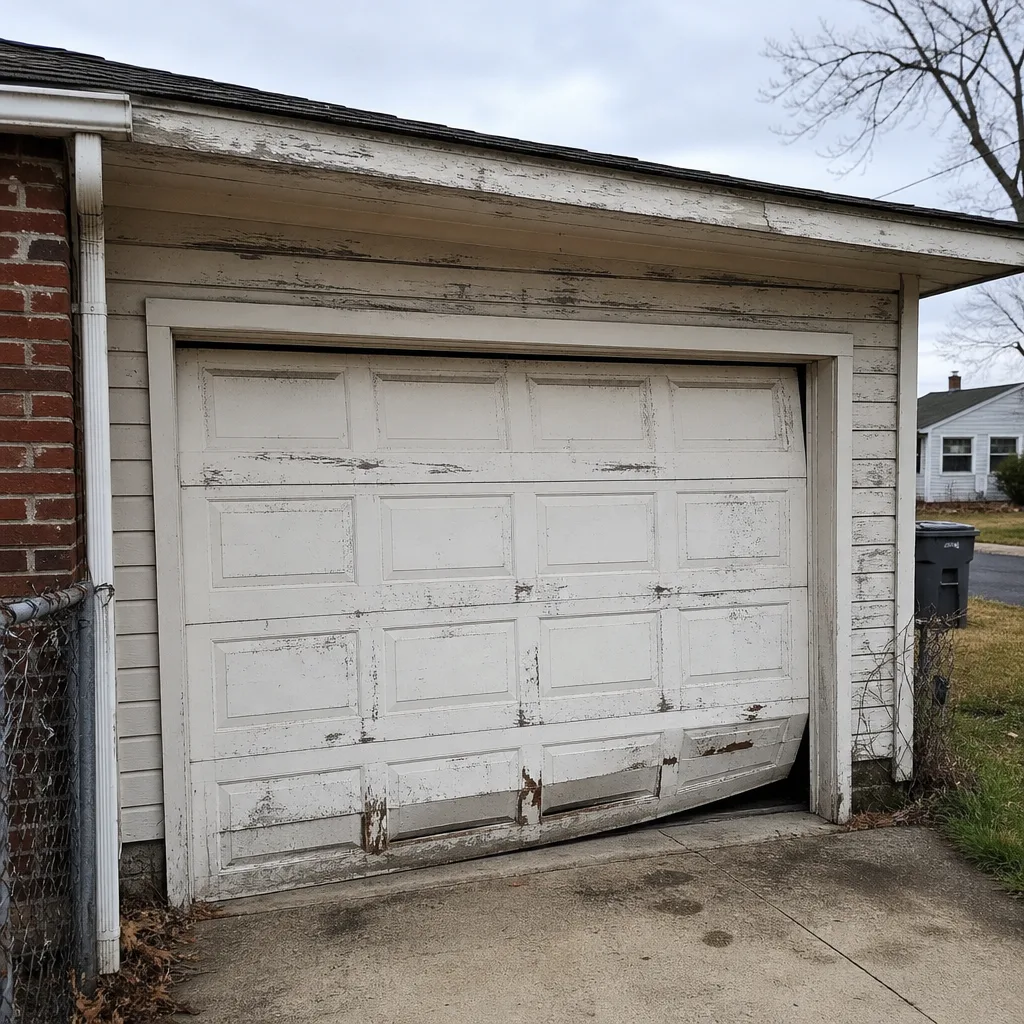 Before
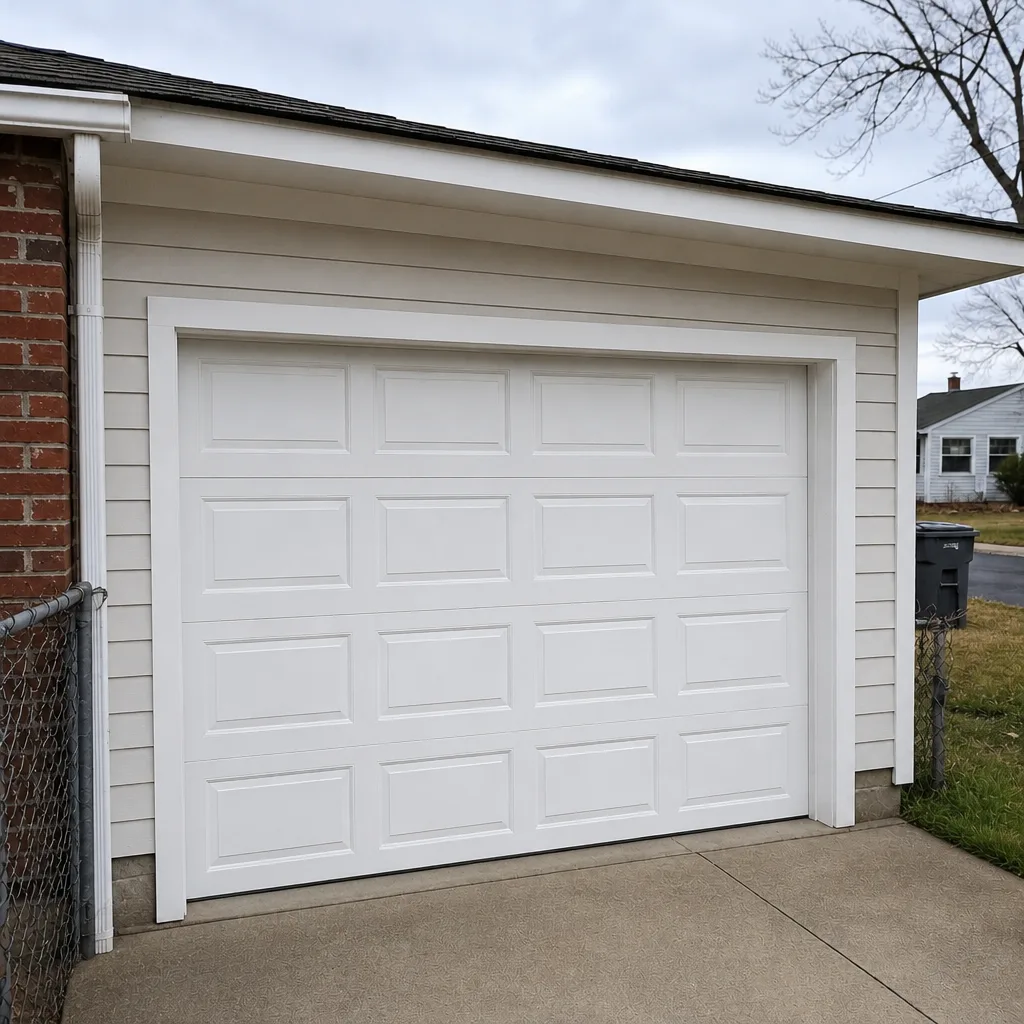 After
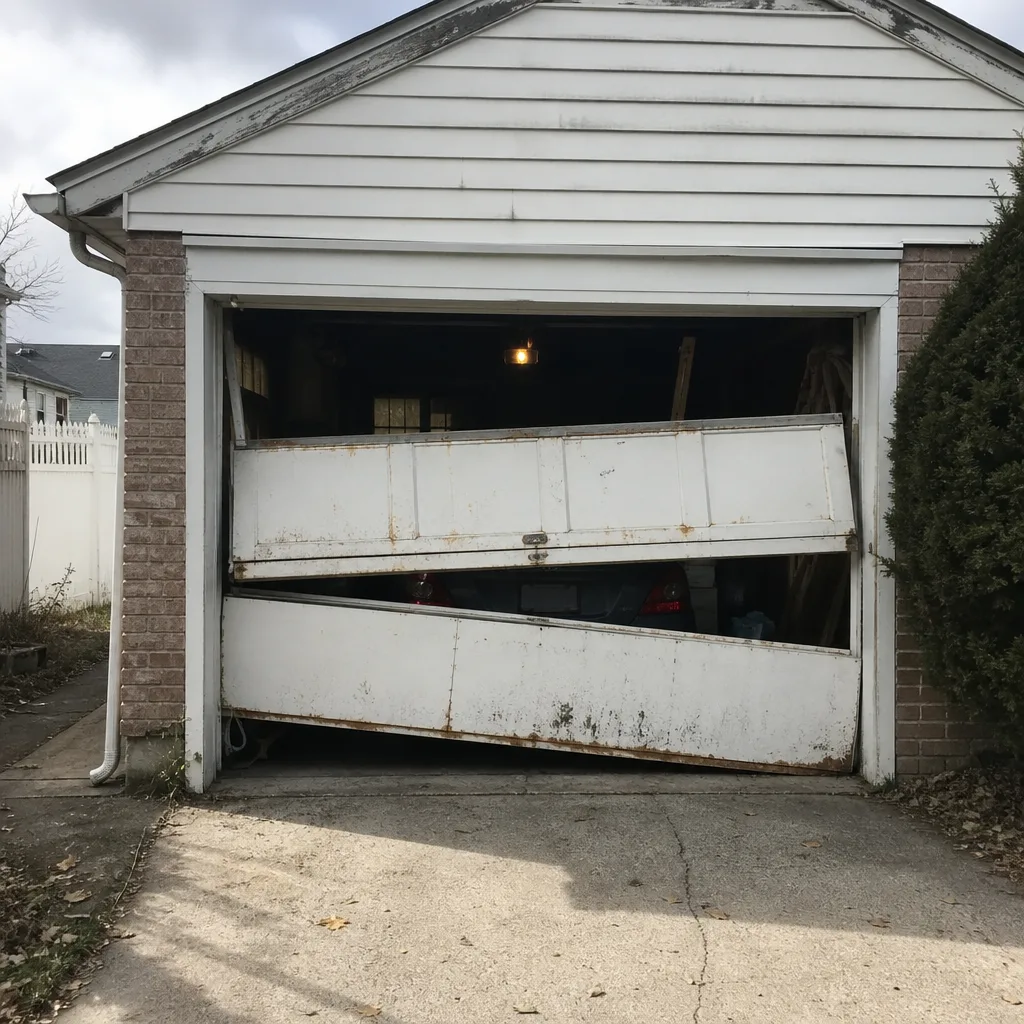 Before
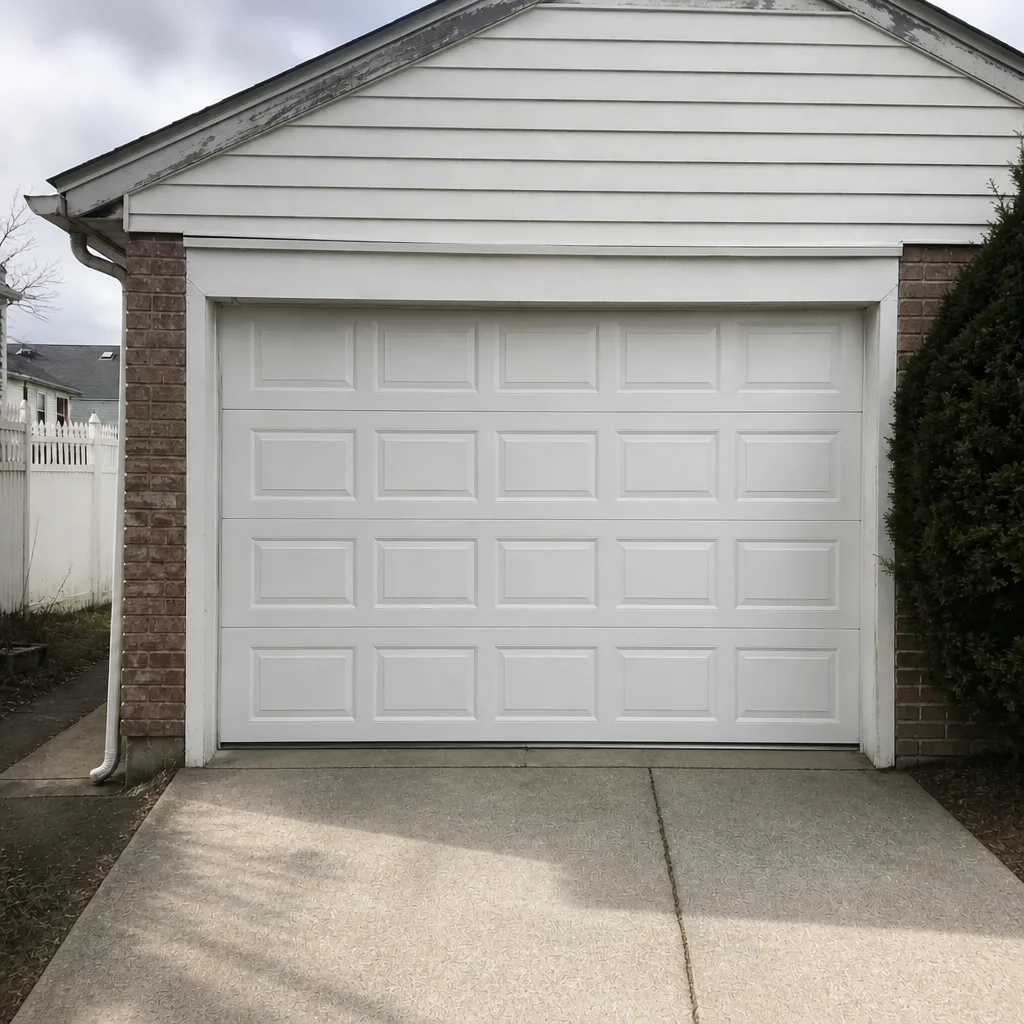 After
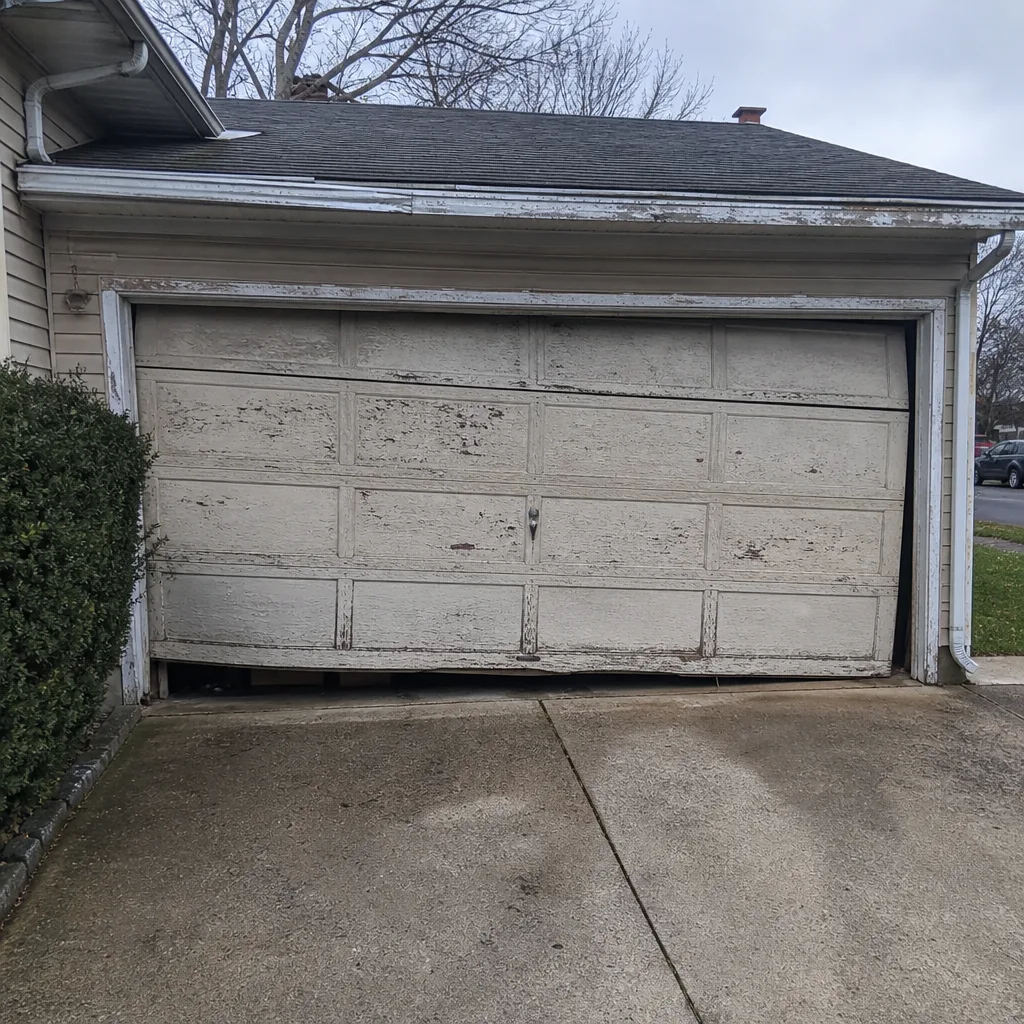 Before
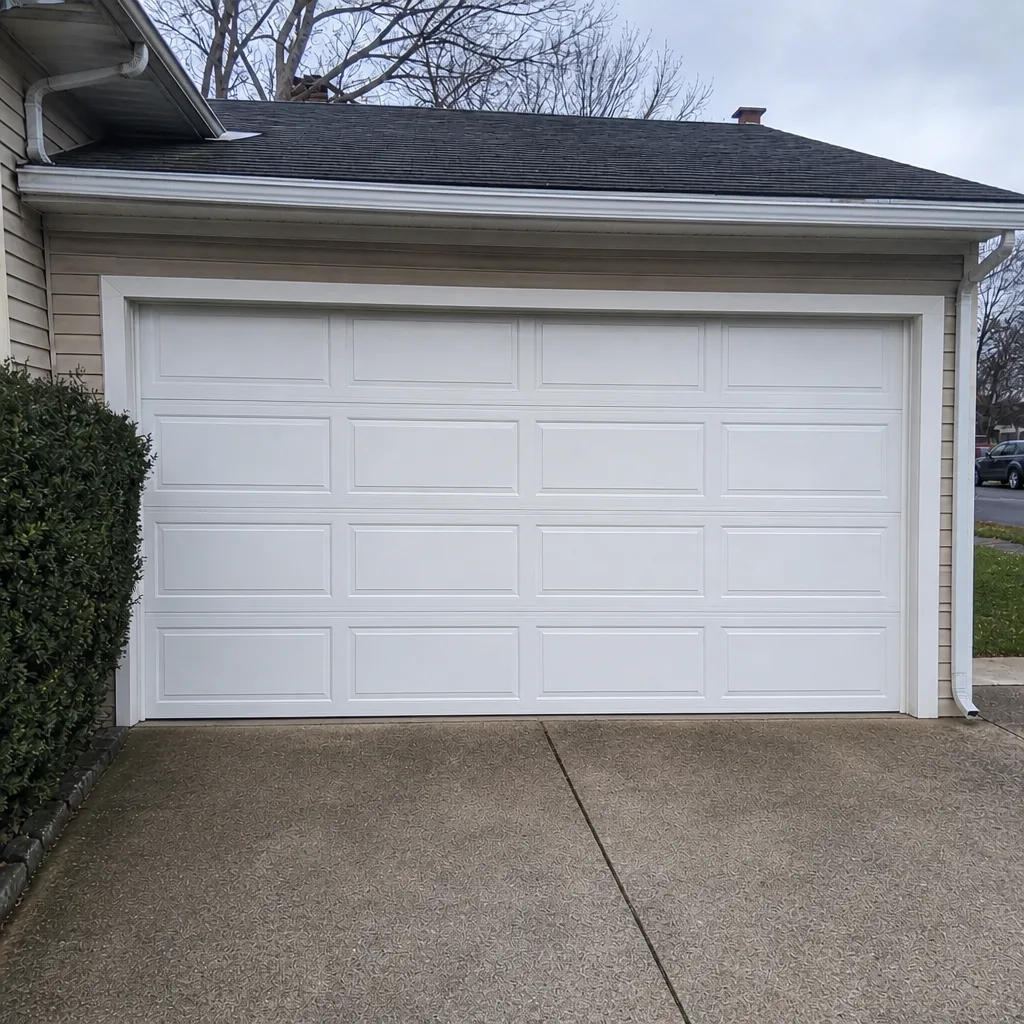 After
When to Call a Professional
Some garage door problems are genuinely urgent and shouldn’t wait. A broken torsion spring, a door that has jumped its track, a snapped cable whipping loose, or a door stuck open with your car inside – those are calls to make now, not jobs to watch. A garage door weighs hundreds of pounds and runs under spring tension; the components that fail do so with force. Our technicians have up to 9 years of experience and work on eight major brands, including Wayne Dalton, LiftMaster, Craftsman, and Raynor, so the person arriving knows the system they’re looking at. Diagnosis comes first, then the repair – not the other way around. If your door is down or you’re ready to plan a replacement, Garage Door Repair Levittown Pros offers free estimates in Levittown – call (877) 792-5882 and we’ll give you a straight answer.
Frequently Asked Questions
New York State doesn’t issue a statewide garage door license, but Nassau County requires home improvement contractors to hold a Home Improvement Contractor (HIC) registration. Ask for the registration number and verify it, and also confirm the contractor carries liability and workers’ comp insurance. Call (877) 792-5882 if you want to talk through what to ask before you hire.
In the Levittown market, a single torsion spring replacement typically falls in the $180 to $340 range, and a matched pair is usually about twice that because there are two springs, though the labor is shared. The written estimate is the final price, so ask for the range in writing before the job. Call (877) 792-5882 for an exact quote – estimates are free.
Ask who the technician will be and whether they’re on the company’s payroll. A local shop gives you a clear answer; a lead aggregator will say “our local partner” or “the technician assigned to your area.” You can also ask about a specific brand – a local technician answers instantly, a dispatcher reads from a script.
A good estimate lists parts individually (springs, cables, rollers, opener, etc.), separates the labor line, includes disposal of the old components, and states the warranty terms in writing. If it’s a lump-sum number with no breakdown, ask for an itemized version before you sign. Call (877) 792-5882 for a same-day written estimate.
If your door runs on a matched pair and one spring breaks, replacing both is usually the better call. The parts cost roughly doubles because there are two springs, but the labor is shared because the door is already apart, and the second spring has seen the same cycles as the first. The written estimate will spell out both options.
A real warranty covers the part and the labor, with a stated duration for each, and names the company on the document. “Satisfaction guaranteed” without terms isn’t a warranty. Get the written warranty before work starts. Call (877) 792-5882 with questions about what our estimates cover.
The Bottom Line
Hiring a garage door contractor in Levittown comes down to a short list of verified facts. Confirm the Nassau County HIC registration and insurance before you book. Ask who’s actually coming and whether they’re on the company’s payroll. Get a written, itemized estimate with the price locked. Get the warranty in writing. And if a technician can’t name your brand, they can’t diagnose your system. The four checks take ten minutes and protect you from the most expensive mistake in this trade: hiring the cheapest voice on the phone. When you’re ready for a straight answer from a local team that works on the major brands, we’re a call away.
Call (877) 792-5882 for a free estimate on repair, spring replacement, opener service, or a new door installation. Diagnosis first, repair second, and the price agreed before we start.
Written by the team at Garage Door Repair Levittown Pros.